
Rooibos Tea
The Elixir of Antioxidants
What is green Rooibos tea?
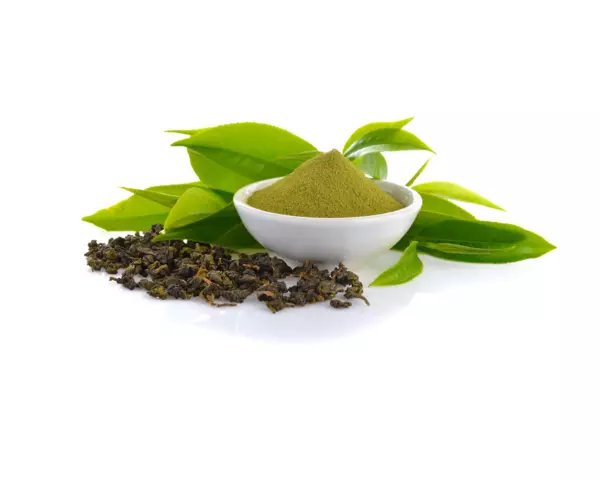
Green Rooibos tea is made from the young leaves of the plant Aspalathus linearis, which grows in the mountainous regions of South Africa. Unlike red Rooibos, which gets its characteristic red colour through fermentation, green Rooibos is dried immediately after harvest without oxidising. This preserves the natural green colour and some of the antioxidants in the leaves.
The flavour of green Rooibos is often milder and less sweet than red Rooibos, with a refreshing, slightly grassy note. Because it contains no caffeine, it is an excellent choice for people avoiding caffeine or for an evening tea that won’t disturb sleep.
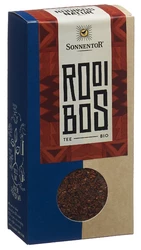
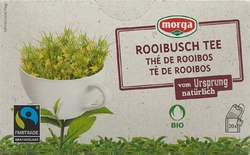
How healthy is Rooibos tea for the body?
One of the most notable health benefits of Rooibos tea is its ability to reduce cancer risk. Thanks to its high content of antioxidants such as aspalathin and nothofagin, Rooibos helps neutralise harmful free radicals in the body and reduce inflammation. These properties make it a strong ally in the fight against chronic diseases, including certain cancers.
Rooibos is also good for heart health. Studies have shown it can have a blood pressure-lowering effect, partly due to its ACE-inhibiting properties. This reduces the risk of heart attacks and strokes.
Additionally, it is very beneficial for digestion and eases a range of digestive issues such as nausea, constipation and diarrhoea. Its antispasmodic properties relieve cramps and support healthy bowel function.
Another valuable quality of Rooibos tea is its ability to improve sleep quality. Since it contains no caffeine, it is an excellent choice for a soothing evening beverage that contributes to restful sleep without the stimulating effects of conventional tea or coffee.
Apart from these health benefits, Rooibos is also particularly skin-friendly. It is often used in skincare to soothe and regenerate the skin, and its antioxidant properties help combat signs of skin ageing.
What ingredients are in Rooibos tea?
Rooibos tea is rich in a variety of ingredients that make it a particularly health-promoting drink. Key components include flavonoids such as quercetin and aspalathin, known for their strong antioxidant and anti-inflammatory properties.
In addition, Rooibos contains a wide range of minerals, including iron, calcium, potassium, copper, magnesium, zinc and manganese, which are essential for maintaining various bodily functions. These minerals make Rooibos an excellent isotonic drink, especially useful for recovery after exercise.
Rooibos is also rich in essential oils and other secondary plant compounds that have health-promoting effects. These constituents are helpful in treating and preventing gastrointestinal complaints, allergies and can even support skin care, for example in treating eczema and sunburn.
How much caffeine does Rooibos tea have?
Rooibos naturally contains no caffeine, which sets it apart from conventional teas like black or green tea that do contain caffeine. This makes it an excellent option for people who want to avoid caffeine, such as pregnant women, people with anxiety, or those suffering from insomnia.
How much Rooibos tea per day is healthy?
Rooibos tea can be enjoyed in moderate amounts without concern; generally 2 to 4 cups per day are recommended. This amount allows you to benefit from Rooibos's health advantages without consuming excessive amounts of the flavonoids present in the tea.
How does Rooibos taste best?
Rooibos offers a wide flavour range and can be prepared in various ways to bring out the best aroma. For classic Rooibos, it is recommended to heat the water to 100 °C and steep the tea for 5 to 6 minutes. For a more intense flavour, steeping time can be extended up to 12 minutes, as Rooibos does not become bitter even with longer infusion.
Adding spices such as cinnamon, cardamom or ginger can enrich Rooibos's aroma and give it a warming note that is especially appreciated in colder months. Citrus peels like lemon or orange add a refreshing component that pairs well with Rooibos's natural sweetness.
Rooibos is also excellent for iced tea since it remains a refreshing and tasty drink when chilled. Brew the tea stronger, let it cool and serve with ice. Optionally, fruit juices or a splash of liqueur can be added for an adult version.
Enjoying and preparing Rooibos tea correctly: practical tips
- Water quality affects the taste of the tea. Use filtered or spring water for optimal flavour.
- Use loose tea leaves, as they have a richer aroma than tea bags. Use 1 to 2 teaspoons per cup.
- Mind the steeping time. Let the tea steep for 5 to 10 minutes. The longer it steeps, the more intense the flavour.
- Add sweeteners if desired. Rooibos has a natural sweet taste but can be sweetened with honey, sugar or stevia to taste.
- Add citrus zest. A pinch of citrus zest can refresh the flavour and give the tea a pleasant note.
- Adding spices gives the tea a new character. Cinnamon, ginger or cardamom can add depth and warmth to Rooibos.
- For a refreshing iced tea, cool the brewed Rooibos and serve with ice cubes and a slice of lemon.
- Store Rooibos in an airtight container to preserve aroma and freshness.
- Cool brewed Rooibos and use it with a cotton pad as a facial toner to soothe and cleanse the skin.
- Use cooled, strongly brewed Rooibos as a base for a marinade that gives meat or tofu a sweet-spicy note.
Rooibos tea is valued worldwide for its caffeine-free and antioxidant-rich profile. With its natural, slightly nutty aroma, it offers a comforting alternative to conventional teas and is also used in the cosmetics industry for its health-promoting properties. Its versatility makes it a popular beverage enjoyed both hot and cold.