Shaving
How to do it gently, thoroughly and refreshingly
What types of shaving are there?
There are different types of shaving that vary in method and approach. The most common are wet shaving and dry shaving, each with their own advantages and disadvantages.
Wet shaving allows particularly thorough hair removal and is often felt to be gentler on the skin. The epidermis is first prepared with shaving foam or gel so the blade can glide smoothly. In addition to modern cartridge razors, a traditional straight razor can also be used. This method is ideal for a smooth finish but requires a bit more time and care to avoid skin irritation.
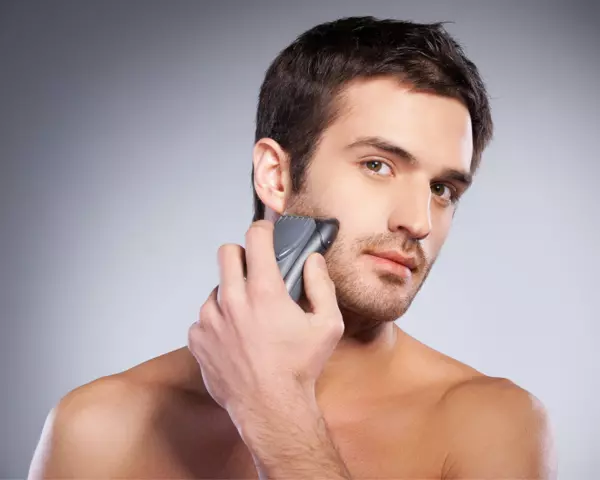
Dry shaving, on the other hand, scores points for speed and ease of use. An electric shaver removes hair without water or foam, making this method particularly practical for everyday life. However, it is not as effective as wet shaving.
There are also chemical alternatives such as depilatory creams, which dissolve hair without mechanical action and are especially suitable for sensitive skin. Ultimately, the choice of shaving method depends on personal needs and the desired level of thoroughness.
Can shaving promote beard growth?
The belief that regular shaving promotes beard growth is persistent. In fact, it does not affect either the density or the speed of growth. On average, a beard grows about 0.3 to 0.5 millimetres per day, regardless of how often a razor is used.
The feeling that hair grows back denser or stronger after shaving is simply due to the tapered tips being cut off during shaving. The regrown stubble therefore feels coarser at first. Since the hair root itself is not affected by shaving, the natural growth process remains unchanged.
How does shaving with a safety razor work?
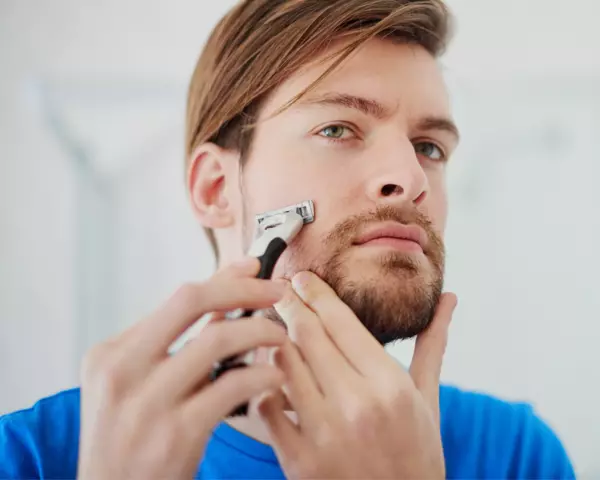
Shaving with a safety razor is a traditional wet-shaving method known for thoroughness and skin friendliness. The safety razor works with a single sharp blade that cuts precisely and efficiently. Unlike modern multi-blade razors, only one blade glides across the skin, which significantly reduces the risk of irritation.
Before shaving, the skin should be optimally prepared, for example with a warm shower or a warm damp towel. Shaving foam, soap, cream or gel ensure the blade glides smoothly. A shaving brush adds a touch of style by applying shaving soap evenly and lifting the hairs.
The right technique is very important. The razor is guided over the skin at a scraping angle, never straight on, to avoid cuts. A sharp blade is essential – it should be replaced regularly to ensure a hygienic and smooth shave. With some practice, shaving with a safety razor can be as quick as using a modern razor and delivers an excellent result.

Can you use shower gel for shaving?
The idea of using shower gel as a substitute for shaving foam seems practical at first glance, but it is not recommended.
They serve different functions, which are crucial for an effective and skin-friendly shave. While shower gel is primarily intended to cleanse the skin and remove dirt, shaving foam is specifically designed to hydrate the skin and soften the hairs.
This moisturizing property of shaving foam ensures the blade can glide gently and effortlessly over the skin, which greatly reduces the risk of irritation and cuts. Shower gel, on the other hand, often does not provide a sufficient glide film, which can lead to a jerky movement of the blade – an unpleasant shaving experience is likely.
If you must improvise, make sure to lather the shower gel well to achieve at least some glide. For a truly thorough and skin-friendly shave, however, genuine shaving foam or gel is still the better choice.
How do you prevent stubble after shaving?
Stubble after shaving often results from inadequate preparation or suboptimal technique.
Properly prepared skin and hair play a decisive role. When pores are open and hairs are soft, the blade glides better and the shave is more effective. A warm bath or shower for about 15 minutes helps open the pores and soften the hair. A pre-shave scrub removes dead skin cells and helps prevent issues like ingrown hairs or skin irritation.
The choice of the right shaving foam or gel also affects the outcome. These products not only provide a gentle shave but also create the necessary glide so the blade can remove hairs effectively. It is also important to shave against the direction of hair growth, as this cuts the hair root closer to the skin surface and keeps the skin smooth for longer.
After shaving, care plays a central role in preventing stubble and irritation. Moisturising products, ideally containing ingredients like urea, intensely nourish the skin and support regeneration.
Why should you care for the skin after shaving?
After-shave care is important to soothe and protect the skin. Shaving often causes microscopic micro-tears that are invisible but vulnerable to germs and inflammation. Good skin care helps minimise these risks and strengthen the skin barrier.
Aftershave products such as balms or creams usually contain ingredients with disinfectant properties and thus help prevent infections. At the same time they promote the healing of small skin irritations through plant extracts or specific active ingredients. Modern formulations go further: they hydrate, supply the skin with valuable nutrients and protect it from harmful environmental influences.
Furthermore, the right aftercare provides noticeable comfort. It reduces tightness and leaves the skin supple and well-groomed, so it looks fresh all day and feels pleasant. After-shave care is therefore not only a matter of hygiene but also of long-term skin health.
Shaving: how to care for your skin properly
- Take a warm bath or shower before shaving to soften the skin and open the pores. This makes hair removal easier and protects the skin. Use a moisturising shower gel for additional care.
- Use shaving foam, gel or oil specifically developed for sensitive skin. Let them work for a few minutes before shaving so the hairs soften and the blade glides more easily.
- Replace the razor blade after no more than ten uses. Dull blades increase the risk of cuts and skin irritation. Also pay attention to clean blades to avoid bacterial growth.
- Rinse the skin with cold water after shaving. This closes the pores and reduces redness. Alternatively, you can use ice cubes to soothe the epidermis.
- Avoid perfumed creams or lotions after shaving, as they can irritate sensitive skin. Instead, reach for a mild aftershave balm or aloe vera gel.
- To prevent ingrown hairs, exfoliate the skin regularly. This removes dead skin flakes and frees trapped hairs.
- Slightly stretch the skin with your fingers before placing the razor. This makes shaving easier and minimises the risk of cuts, especially in sensitive areas.
- If you don't have shaving foam to hand, you can use conditioner or olive oil. Both provide smooth blade glide but require more thorough cleaning of the razor.
- Shave preferably in the evening so the skin can regenerate overnight. In the morning the epidermis is particularly elastic, which is also a good condition for shaving.
- Avoid exercising immediately after shaving, as sweat and tight clothing can promote irritation and small pimples. Let the skin heal completely first.
- Choose a razor with multiple blades and a flexible head that adapts to body contours. This distributes pressure better and avoids irritation.
- Clean your razor thoroughly after each use under running water. Use a mild soap to remove bacteria and residues.
- If hairs are longer than five millimetres, trim them first with an electric trimmer. This makes wet shaving easier and reduces stress on the skin.
Shaving is much more than a routine – it is an important part of personal care that can have a lasting impact on the skin's appearance and well-being. With the right method and suitable care products, you can not only avoid irritation but also promote a pleasant skin feel. Whether classic with a razor or modern with alternatives, a mindful approach makes the difference.