
Razor bumps
The big nuisance “after”
What are razor bumps?
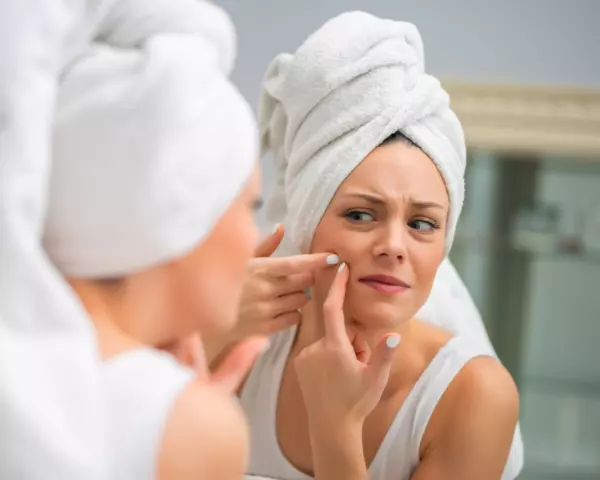
Razor bumps, also known as pseudofolliculitis barbae, mainly result from small skin injuries caused during shaving. These micro‑injuries can trap ingrown hairs and lead to inflammation. In addition, bacteria can enter these tiny wounds, which worsens the condition and causes the typical redness, burning and occasionally itching.
Why do razor bumps occur after shaving?
Razor bumps arise mainly from two mechanisms during and after shaving: ingrown hairs and infections of small cuts.
When shaving, hairs can be cut so that they grow back under the skin surface instead of outwards. This often triggers an inflammatory reaction because the body treats the hair as a foreign object. Ingrown hairs are particularly common in people with curly or coarse hair, since their hair structure promotes ingrowth.
Shaving also frequently causes small nicks and abrasions through which bacteria can more easily enter the skin. In particular, the bacterium Staphylococcus aureus contributes to the inflammations known as razor bumps.
The development of razor bumps is also promoted by using blunt blades, incorrect shaving technique and shaving on dry skin. Direct contact of freshly shaved skin with irritants like alcohol in aftershaves or wearing tight clothing can further encourage razor bumps.
Why do some people get razor bumps and others don’t?
Some people’s tendency to develop razor bumps while others remain unaffected can be explained by a combination of genetic, biological and environmental factors.
Some people’s skin reacts more sensitively to the mechanical irritation of shaving. In particular, people with dry or sensitive skin are more prone to inflammation, which increases the likelihood of razor bumps.
People with thick, curly or coarse hair have a higher risk of ingrown hairs. These ingrown hairs often cause skin inflammation that appears as razor bumps.
Poor hygiene before and after shaving allows bacteria to accumulate and trigger inflammation. Good skin care, including the use of moisturisers and soothing products, can reduce the risk of razor bumps.
How long do bumps take to go away after shaving?
How long razor bumps take to heal after shaving depends on skin type and the treatment used. Generally, razor bumps begin to heal within a few days and often disappear within a week, provided the skin is not further irritated and is properly cared for.
To speed healing, it is important to cool the skin immediately after shaving to reduce swelling and redness. Applying a non‑greasy moisturiser formulated for sensitive skin soothes the skin and supports the healing process.
Products containing ingredients such as salicylic acid or glycolic acid are recommended, as they can help reduce inflammation and treat ingrown hairs.
How can you shave without getting bumps?
To effectively avoid razor bumps, a combination of careful skin preparation, correct shaving technique and post‑shave care is essential. Preparation starts with washing the skin with warm water and a mild cleanser to open pores and soften hairs. This makes shaving easier and reduces the risk of irritation.
The choice of the right shaving technique plays a key role. It is recommended to always use a sharp blade and shave in the direction of hair growth to minimise ingrown hairs and skin irritation. Light pressure during shaving prevents skin damage that can lead to bumps.
After shaving, gently pat the skin dry and apply a moisturising and anti‑inflammatory lotion or cream to soothe and regenerate the skin. Ingredients such as aloe vera or chamomile have calming properties.
The cleanliness of shaving tools is also important, since bacteria on dirty blades can worsen irritation. Before each shave the blade should be rinsed thoroughly with hot water. Also avoid tight clothing, especially over freshly shaved areas, as this can increase friction and skin irritation.
Preventing and treating razor bumps: effective tips
- Start with a gentle cleanse to remove oil and dirt. Use a mild scrub to remove dead skin cells and prevent ingrown hairs.
- Shave after showering, as warm water opens pores and softens the hair, allowing a smoother shave.
- Always use sharp blades to avoid skin irritation and razor bumps. Dull blades cause more friction and irritation.
- Pay attention to shaving direction. Shave in the direction of hair growth to reduce irritation and ingrown hairs.
- Choose shaving creams or gels specifically formulated for sensitive skin to minimise irritation.
- Rinse the razor regularly to remove hair and product buildup that can reduce its effectiveness.
- Use cold water or a cooling aftershave to close pores and soothe the skin.
- Apply a moisturiser to calm the skin and replenish hydration.
- Opt for shaving products containing ingredients like aloe vera or vitamin E, which soothe and hydrate the skin during and after shaving.
- Avoid alcohol in aftershave products, as it dries the skin and increases irritation.
- Change your blades regularly to maintain optimal performance and prevent bacterial buildup.
- If you're prone to razor bumps, try reducing how often you shave to give your skin time to heal.
- Adapt your shaving technique and products to your skin type and hair characteristics, especially if you are prone to ingrown hairs.
Preventing razor bumps requires not only the right technique but also quality skin care products. A sharp razor and proper aftercare can make a big difference. For persistent problems, a visit to a dermatologist offers professional solutions and personalised advice.