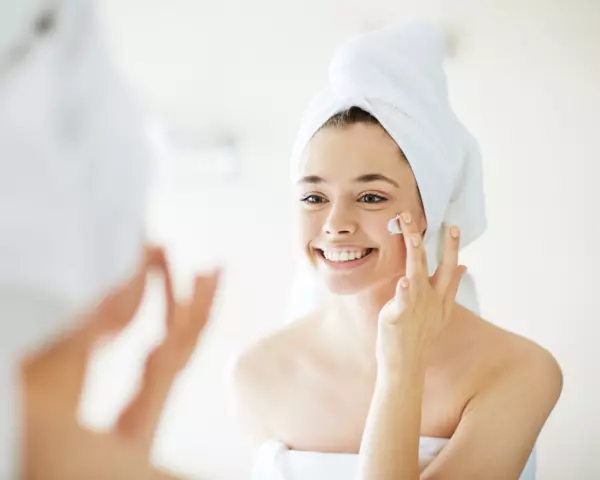

Skin Flooding
A soothing flood for your skin
Skin Flooding: What is it?
Skin Flooding is an innovative skincare method where the skin is intensely hydrated by layering multiple moisturising products. The aim of this technique is to saturate the epidermis with as much moisture as possible and then lock it in to create a plump, fresh complexion.
Typically, several products are applied: lightweight toners, hydrating essences, moisturizing serums and finally a moisturiser. These layers work together like a moisture barrier that not only nourishes the epidermis optimally but also protects it from drying out.
Skin Flooding is particularly suited to people with dry or dehydrated skin and is an ideal method to give the skin a healthy, radiant appearance.
How does Skin Flooding work?
Skin Flooding is a multi-step routine where the epidermis is gradually replenished with moisture and then that moisture is sealed in.
The first step is to cleanse gently to remove make-up and impurities without drying the epidermis. Cleansing gels, oils or creams are suitable. After lathering, the cleanser is gently massaged and thoroughly rinsed off.
After cleansing, the skin should not be dried, as damp skin absorbs subsequent products better. Alternatively, a face spray can be used to add extra hydration.
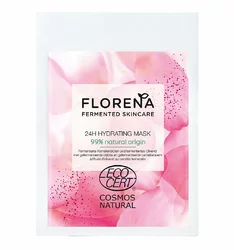
The toner is then applied in several layers. You can use different toners or apply the same toner multiple times — following the Korean 7-skin method. One to two layers are usually enough to intensely hydrate the skin.
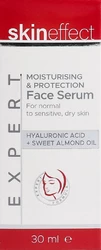
While the toner is still slightly damp, apply a serum containing hyaluronic acid. This binds moisture and stores it in the skin. Ideally, the serum also contains other nourishing ingredients such as glycerin, panthenol or niacinamide.
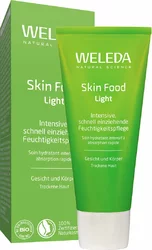
Finally, lock in the moisture with a face cream. Depending on your skin type, a light gel formula can be chosen for oily skin or a richer cream for dry skin. In the morning, the final step can be replaced by sunscreen.
Who is Skin Flooding suitable for?
It is ideal for people with dry or dehydrated skin. Dry skin lacks natural oils, while dehydrated skin doesn’t retain enough moisture — both benefit greatly from this technique. Even oily skin can be dehydrated and brought back into balance by Skin Flooding.
This trend is suitable for almost all skin types because it provides intensive hydration without weighing the skin down. However, it is important that the products used are well tolerated, especially on sensitive skin. New toners or sprays should not be tested indiscriminately to avoid possible irritation.
Which active ingredients are suitable for Skin Flooding?
Skin Flooding uses specific active ingredients that deeply hydrate the epidermis and help seal in moisture. Humectants like hyaluronic acid, glycerin and aloe vera draw water into the skin, while vitamin E and peptides strengthen the skin barrier and protect against moisture loss. Urea is also an effective ingredient, as it hydrates while providing gentle exfoliation.
Nourishing face oils also play an important role in retaining moisture in the skin and keeping it supple. Popular oils include rosehip seed oil, argan oil, jojoba oil and grapeseed oil. They soothe and support skin regeneration. A targeted combination of these ingredients leads to optimal results.
How often should Skin Flooding be performed?
The frequency of the Skin Flooding routine depends on individual skin condition. For particularly dry or dehydrated skin, the method can be integrated daily into the care routine to achieve visible and tangible results quickly.
For less pronounced skin needs, it is often sufficient to perform Skin Flooding several times a week. It is important to observe your skin's reaction and adjust the frequency accordingly. This way the epidermis receives optimal hydration without being overloaded.
Skin Flooding: how the hydration routine works for radiant skin
- Before cleansing your face, wash your hands with soap. This prevents bacteria or dirt from your hands transferring to your facial skin and causing blemishes.
- Use a mild cleansing lotion to gently remove make-up, dirt and excess sebum. Massage the lotion in for at least 60 seconds and rinse with lukewarm water. Pat your face lightly so it remains slightly damp.
- Apply a hyaluronic serum to the still-damp skin to lock in moisture. Pat the serum in gently without pressing until fully absorbed.
- After this, it is important to apply a moisturiser suited to your skin type. Massage it into the skin gently to preserve long-term hydration.
- Choose products specifically tailored to your epidermis’s needs. Oily skin also needs hydration, but opt for lightweight, non-comedogenic products.
- Apply a broad-spectrum sunscreen with at least SPF 30 every morning. UV rays can dry out the skin and accelerate ageing, even on cloudy days.
- Even though Skin Flooding involves layering products, avoid using too many at once. This could clog pores and cause irritation.
- Stick to a regular routine and give your skin time to respond to the products. Frequent product changes can worsen skin condition.
- Blot your skin lightly after cleansing so it remains damp. Products work better on damp skin because active ingredients penetrate the epidermis more effectively.
- Always patch-test new products on a small area before applying them to the entire face. This helps prevent possible allergic reactions or irritation.
- Use products with ingredients like glycerin or squalane to intensely hydrate the epidermis. These actives bind moisture and strengthen the skin barrier.
Skin Flooding is an innovative and simple technique that is gaining increasing popularity. It offers an effective way to intensely hydrate the skin and strengthen the natural protective barrier. This method is particularly suitable for rebalancing dry or stressed skin and promoting a healthy, glowing complexion in the long term.