
Ayurvedic spices
This is the oldest health system in the world
What is Ayurveda?
The millennia-old healing art of Ayurveda is considered the oldest health system in the world and originates from the Vedic high culture of India. The World Health Organization (WHO) recognises Ayurveda as traditional medicine.
The term itself comes from the Sanskrit words 'Ayus' (life or longevity) and 'Veda' (knowledge or science), which together mean 'science of life'. This holistic health doctrine covers physical, psychological, mental and spiritual aspects with the aim of promoting a balance between body, mind and soul to prevent and heal disease.
Ayurveda views life as a unity of body, senses, mind and soul. The teaching is based on the three doshas (basic functional principles) Vata, Pitta and Kapha, which determine nature as well as body and mind. A balance of the three doshas is crucial for our health and wellbeing.
An essential part of Ayurvedic medicine is individualised treatment tailored to the patient's constitution. This includes diagnostic methods that consider not only physical but also emotional and mental states, as well as therapeutic approaches that encompass nutrition, herbal medicine, massages, yoga and meditation.

How do Ayurvedic spices work?
Ayurvedic spices are known not only for their culinary qualities but also for their healing properties that positively affect our health. They are used specifically to balance the three doshas.
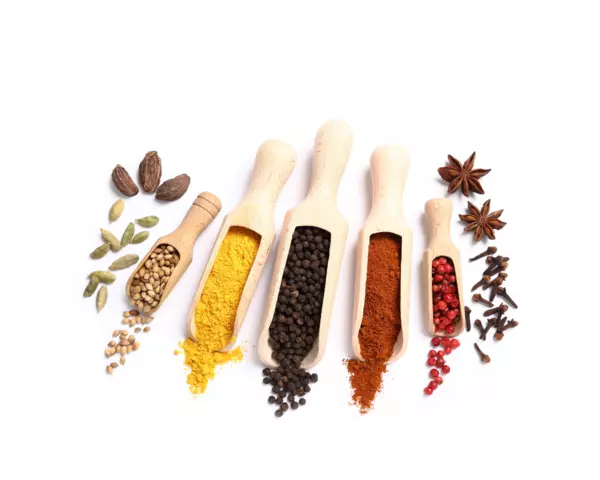
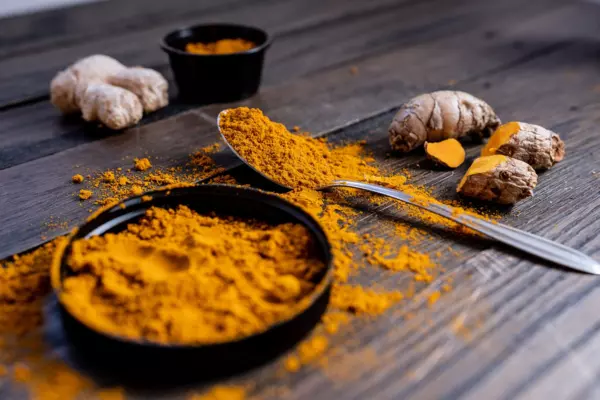
One of the most important Ayurvedic spices is turmeric, known for its anti-inflammatory and detoxifying properties. Chillies also play an important role by stimulating metabolism and digestion, and cinnamon promotes appetite and stimulates circulation. Fennel, on the other hand, aids digestion and is one of the few cooling spices.
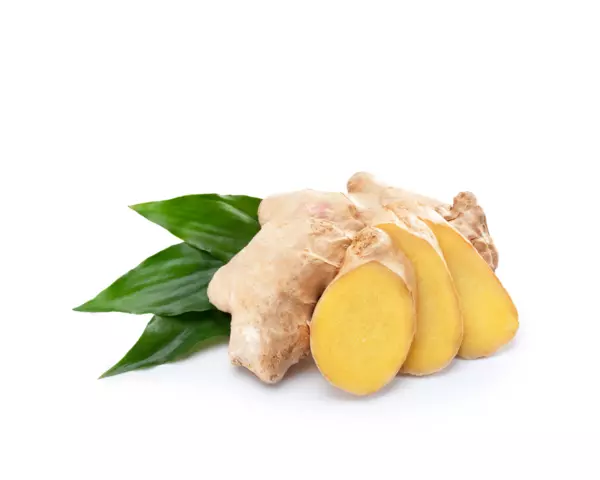
Ginger powder strengthens the immune system and stimulates digestion. Cardamom has a balancing effect on all three doshas and coriander seeds support digestion and soothe the nerves. Cumin is known for promoting digestion and mustard seeds support digestion and inner calm.
How do Ayurvedic spices work against osteoarthritis?
Ayurveda offers interesting approaches to treating osteoarthritis, which are particularly based on regulating the Vata dosha to relieve typical symptoms such as joint pain and limited mobility.
In Ayurveda, osteoarthritis is not seen as an unavoidable disease of ageing, but as the result of a long-term lifestyle that is not in harmony with one's nature. Ayurvedic treatment aims to correct the imbalance in the body that manifests as Ama (toxic deposits), caused among other things by improper dietary habits.
Various spices play a central role in Ayurvedic teaching in relieving osteoarthritis pain. Turmeric is particularly noteworthy for its active ingredient curcumin. Curcumin has anti-inflammatory, cartilage-protecting and antioxidant properties, making it an effective agent against osteoarthritis symptoms.
A mixture of cumin, nutmeg and coriander also shows a positive effect: around 80 percent of patients participating in a study reported needing fewer painkillers.
The use of chilli, which contains capsaicin, also contributes to pain relief. Capsaicin has the ability to affect the pain receptors of the nerves, thereby reducing the perception of pain. It can be applied as a gel to the skin and works directly on the affected joints.
Ginger is another spice that is helpful for osteoarthritis pain due to its circulation-promoting properties. It can be used fresh in spice blends or applied as a poultice to painful joints.
The holistic Ayurvedic approach for successful treatment of osteoarthritis involves a combination of external applications (e.g. oil massages), dietary changes, supplements and cleansing procedures.
What does an Ayurvedic spice set consist of?
An Ayurvedic spice set typically consists of a carefully selected blend of spices intended to balance the three doshas and promote health and wellbeing.
Among the most important spices that may be included in such a set is turmeric, known for its anti-inflammatory and detoxifying properties. It has a warming effect and is particularly suitable for the Pitta and Kapha doshas.
Chilli/Cayenne pepper stimulates metabolism and digestion, has a warming effect and is favourable for the Kapha dosha. Cinnamon is known for stimulating appetite and circulation, has a strong warming effect and supports the Vata and Kapha doshas.
Fennel promotes digestion and is cooling. It balances all three doshas. Cardamom has many health-promoting properties, including an aphrodisiac effect; it refreshes and supports all three doshas.
Coriander seeds improve digestion, calm the nerves, stimulate appetite, refresh and promote the Pitta dosha. Cumin (cumin) stimulates digestion, makes food more digestible, has a warming effect and supports the Vata and Kapha doshas.
Where can you buy Ayurvedic spices?
Buying Ayurvedic spices is easier than ever today thanks to globalization and the internet. The web is a rich source for Ayurvedic products. Online shopping has the advantage that you can read reviews from other buyers and purchase products from suppliers around the world.
Health food and organic stores that specialise in natural and healthy products also stock a selection of Ayurvedic spices. These shops often prioritise organic quality and sustainability. As many Ayurvedic spices come from India and other Asian countries, Indian or Asian grocery stores are often a good place to look.
How to integrate Ayurvedic spices into your daily life: useful tips
- Incorporate turmeric into your diet for its anti-inflammatory and antioxidant properties. A pinch in rice or lentil dishes not only adds colour but also supports health.
- Use cumin to support digestion and flush out toxins. Both whole seeds and ground cumin enliven dishes and promote wellbeing.
- Use coriander to reduce inflammation and support digestion. This cooling spice is excellent for detox and pairs well with a variety of dishes.
- Enhance your dishes with cardamom to help lower blood pressure and fight inflammation. It is excellent for flavouring tea or yoghurt.
- Use cinnamon to help regulate blood sugar. This sweet, warming spice promotes circulation and supports healthy digestion.
- Choose spices according to your individual dosha needs to promote balance and wellbeing. Warming spices are suitable, for example, when you feel cold, while cooling spices help with sensations of heat.
- Dry-roast spices or sauté them in ghee to release their flavours and healing properties.
- Store spices in airtight containers away from light and heat to preserve their potency.
- Experiment with different blends to discover your personal preferences and simplify cooking. For example, you could create a savoury mix of cumin, turmeric, ginger and coriander or a sweeter combination of cinnamon, ginger, cardamom and allspice. Such curry blends are not only practical at home but also convenient to take with you to make simple meals more flavourful and personal.
- Encapsulate spices in fat to maximise their healing power. Good fats, such as ghee, act as carriers that deliver the active compounds of spices to deeper cellular layers. Use this principle in your kitchen by toasting whole seeds like brown mustard, cumin, fenugreek and fennel until fragrant. Ground spices should only be briefly tossed in fat – if necessary, remove the pot from the hot plate to avoid burning. Ground spices burn very easily, so exercise particular caution.
Ayurvedic spices offer a rich palette of flavours and health benefits that enhance both the culinary experience and physical and mental wellbeing. Through targeted use and combination of these spices, the Ayurvedic teaching of balance and harmony can be applied in everyday life.