Spirulina
The green power powder for your health
What is Spirulina?
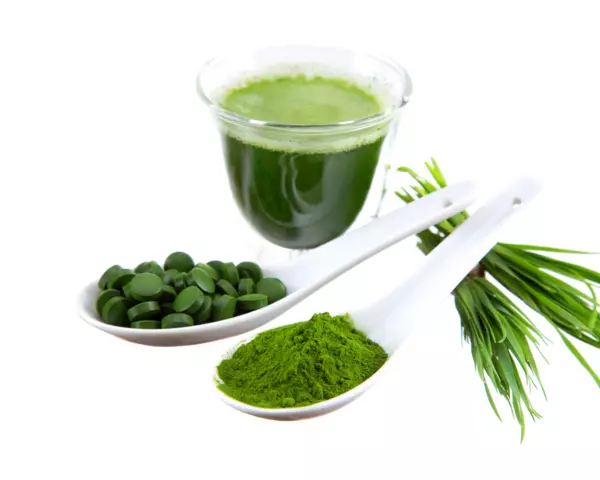
Spirulina is a microscopic cyanobacterium that was formerly and mistakenly referred to as a blue-green algae. This label has persisted, although strictly speaking it is not an alga. Spirulina occurs naturally in alkaline salt and fresh water lakes in tropical and subtropical regions such as Africa, Central America, Australia and Southeast Asia. It has been used as a food source for centuries.
The best-known species is Arthrospira platensis, which is also used commercially. Spirulina is cultivated in aquaculture, filtered and then gently dried to be offered as a dietary supplement in powder, tablet or capsule form. A distinctive feature is its blue-green colour, which comes from the pigments phycocyanin and chlorophyll.
What nutrients does Spirulina contain?
Spirulina contains a wide range of valuable nutrients and is particularly rich in protein. The protein content is about 60% of the dry weight and includes all essential amino acids. These proteins are easily digestible because Spirulina has a thin cell membrane, allowing amino acids to be efficiently absorbed by the body.
In addition, the microalga contains numerous vitamins, including provitamin A (beta-carotene), several B vitamins such as B1, B2 and B12, and vitamin K. Provitamin A makes an important contribution to vision and skin health, while B vitamins are essential for energy metabolism and nerve function. Vitamin B12 is particularly valuable as it is mainly found in animal products; in Spirulina it is present in a form that the human body cannot always use equally well.
Minerals and trace elements are also abundant. These include iron, magnesium, potassium, calcium, phosphorus, zinc, selenium and manganese. Iron in Spirulina is present in a particularly bioavailable form and is important for oxygen transport in the blood. Magnesium contributes to muscle and nerve function, and selenium acts as an antioxidant.
The microalga also contains essential fatty acids, including the omega-6 fatty acid gamma-linolenic acid (GLA), which plays a role for the skin, the immune system and inflammatory processes in the body. Other bioactive substances such as chlorophyll, phycocyanin and superoxide dismutase (SOD) have antioxidant effects and support cell health. Chlorophyll is similar in molecular structure to haemoglobin and thus contributes to the body's oxygen supply.
In addition, the alga contains carbohydrates, mainly in the form of glycogen and rhamnose, two easily digestible sugars that provide the body with energy.
What health benefits does Spirulina offer?
Spirulina offers a range of health benefits that go far beyond nutrient supply. Its ability to support the immune system is particularly noteworthy. Studies show that this superfood promotes the production of immune-stimulating proteins and can increase the activity of natural killer cells as well as T and B cells. This strengthens the body's defences and helps fight infections more effectively. Especially in combination with zinc and selenium, immune function has been shown to improve significantly. For allergies such as rhinitis, the microalga has demonstrably positive effects on symptoms like sneezing and nasal congestion.
Another important benefit is the positive effect on the liver and digestion. Antioxidants such as phycocyanin protect the liver from oxidative stress and support the body's detoxification processes. This helps the liver eliminate pollutants efficiently and maintain its functionality. Gut health also benefits from Spirulina, as it promotes a healthy microbiota and supplies fibres that regulate digestion.
This superfood has also been effective in improving the blood lipid profile and regulating blood sugar. In people with type 2 diabetes, daily Spirulina intake has led to a significant reduction in triglyceride levels and improved glucose regulation. This not only helps stabilise blood sugar but also reduces the risk of cardiovascular disease.
Additionally, the microalga shows promising results in supporting hair and skin health. Its nutrients help strengthen hair growth and promote healthy skin. The ability to detoxify heavy metals and to combat Candida infections are also notable properties of the alga, helping to clear toxins from the body and strengthen immune defences.
Mental benefits include support for mental well-being. Due to its high tryptophan content, a precursor to serotonin, Spirulina can lift mood and help reduce stress. It also contributes to improved energy levels by supporting the conversion of food into energy and enhancing concentration. Finally, Spirulina supports brain health by providing antioxidants that may protect against cognitive decline.
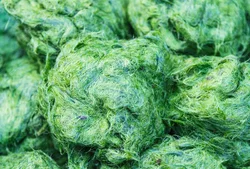
What is the difference between Spirulina and Chlorella?
Spirulina and Chlorella are both microalgae but differ in several respects. Spirulina is a multicellular saltwater alga, while Chlorella is a unicellular freshwater alga. This leads to differences in digestion: Spirulina is more easily absorbed by the body due to the lack of a thick cell wall, whereas Chlorella has a thicker cell wall that makes it harder to digest.
Spirulina contains more protein and iron, while Chlorella contains more chlorophyll and vitamin B12. The green pigment in the freshwater alga contributes to detoxification, while the proteins and iron in Spirulina support muscle and circulation.
Both algae have antioxidant properties, but Spirulina contains phycocyanin, which has anti-inflammatory effects, while Chlorella provides chlorophyll for detoxification. In taste, Spirulina is characterised by a grassy flavour, while the freshwater alga has a sweeter taste.
Can Spirulina cause side effects?
Spirulina can cause side effects in some cases, although it is considered safe by many. There are reports of possible allergic reactions triggered by ingredients, especially in synthetic formulations. The different forms of Spirulina (tablets, capsules or powder) are often supplemented with additives that are not always well tolerated. Another risk is contamination with polycyclic aromatic hydrocarbons (PAHs), which can result from improper drying and are considered carcinogenic.
People with certain medical conditions should also exercise caution. These include people with autoimmune diseases, as Spirulina can stimulate the immune system and may worsen symptoms. Pregnant and breastfeeding women should consult their doctor before taking it, as there are insufficient studies for these stages. Phenylketonuria (PKU) is particularly relevant: this metabolic disorder requires avoiding Spirulina because of its phenylalanine content. Other at-risk groups include people with algae allergies and individuals with kidney problems due to the high protein content of Spirulina.
There is also evidence of interactions between Spirulina and certain medications, such as blood thinners or antidiabetics, which should be taken into account.
How to use Spirulina: practical tips
- Add Spirulina powder to soups and stews, especially dishes with green vegetables like spinach and broccoli, to intensify flavour and increase nutrient density.
- Mix a teaspoon of algae powder into 500 ml of plant milk to enjoy an energising dairy alternative in the morning or after exercise.
- Add 2 teaspoons of Spirulina to a blender with 200 ml of water and 150 g of fruit to make a healthy smoothie. Honey can be added to taste.
- This superfood is excellent for enhancing salads and vegetables such as arugula, cucumber, zucchini and avocado. Wash or grill the vegetables, prepare an emulsion of olive oil, lemon juice, salt and fresh herbs, and add the algae at the end.
- Mix algae powder with gomasio, a blend of roasted sesame and salt, for a nutrient-rich variation.
- Prepare small snacks with this superalga by mixing the powder into healthy muesli bars or energy balls.
- A daily serving of 3–4 grams of Spirulina is recommended to help correct nutrient and vitality shortfalls. For pre-existing conditions, a daily dose of at least 10 grams of the alga is recommended.
- In case of illness, start with about 4 grams and gradually increase the dose so your body can adapt. This helps avoid detox reactions due to the strong cleansing effect of this “miracle” alga.
- Spirulina in capsule or powder form is convenient for on-the-go use and can be taken at any time without preparation. Powdered Spirulina has the advantage over tablets that mixing the powder with liquid allows some nutrients to be absorbed through the oral mucosa.
- Note that this superfood can increase gas production because it acts alkalising and contributes to the breakdown of pathogenic bacteria in the gut. After 4 to 6 days of intake this unpleasant side effect usually disappears and can be seen as a positive reaction.
- Choose organic Spirulina to ensure it is free from toxins. Make sure the raw material comes from waters not contaminated by pollutants to guarantee high purity and quality.
The high nutrient density makes Spirulina an excellent superfood with many health benefits. It can help strengthen the immune system and improve overall physical performance.