
Split ends
The secret to healthy hair ends
What causes split ends in hair?
Split ends, also known as split hair tips, occur when the outer layer of the hair, the cuticle, is damaged. This layer normally protects the hair from damage and moisture loss. When it is damaged, the hair becomes more susceptible to further damage and loses moisture.
Split ends can have many causes. Physical stress such as frequent brushing or combing, especially when the hair is wet, and the use of heat-styling tools like hair dryers, flat irons and curling wands can place excessive strain on the hair and damage the cuticle. This makes the hair brittle and prone to breakage, which can ultimately lead to split ends.
Aggressive chemical treatments such as colouring, bleaching and perms strain the hair. Environmental factors dry out and weaken the hair, for example from sun exposure, chlorinated or salt water and dry air. Wind and air pollution also contribute to damaging the hair and destroying its protective layer.
The use of unsuitable shampoos and conditioners that do not provide enough moisture or cleanse the hair too aggressively dehydrates the hair and makes it more prone to split ends. Neglecting regular haircuts encourages the spread of split ends because damaged hair tips cannot repair themselves.
Washing too often removes the natural oils that protect the hair, dries it out and increases the risk of split ends.
What types of split ends are there?
Split ends occur in different forms caused by various external influences.
In the case of a branch split, the hair tips resemble a forked branch. This form indicates that the hair is dry and somewhat damaged, although the inner part of the hair, the cortex, is still relatively healthy. Regular moisturizing treatments, for example with coconut or olive oil, help prevent further splitting.
In a three-way split, the hair is divided into three parts, which points to advanced damage of the hair fibre. This condition worsens with incorrect or overly frequent combing. It is recommended to comb hair from the ends toward the roots and to apply intensive hair treatments regularly.
The tree split appears when the hair tips look like small branches. The hair is severely damaged, including the cortex. This type of split is particularly serious and often requires a visit to the hairdresser to prevent further spread.
With candle split the hair tips are roughened and thinned, similar to the shape of a candle. This indicates that the outer layer of the hair, the cuticle, is damaged. Regular trimming of split ends and care with moisturizing treatments are necessary to keep the hair healthy.
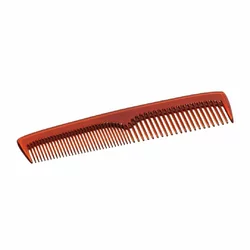
knot split often occurs with natural curls and happens when the hair tips tangle. Frequent combing worsens the problem and leads to breakage. A wide-tooth comb helps to detangle the hair gently.
Each of these split-end types requires specific treatment and prevention to keep hair healthy and strong. It is important to tailor hair care to the condition and type of hair to effectively prevent and treat split ends.
What is the difference between split ends and hair breakage?
Split ends and hair breakage are two types of hair damage that occur under different circumstances and in different areas of the hair.
Split ends refer to the splitting of the hair tips. This usually happens at the ends, which are particularly stressed by rubbing against clothing and other surfaces. The hair tips become brittle, lose shine and eventually split. Split ends are typical for longer hair that, due to its age and prolonged exposure to damaging influences, is more prone to this type of damage. The damage is essentially confined to the hair ends.
Hair breakage, on the other hand, occurs along the entire hair length and is not limited to the tips. Breakage is caused by a weakening of the hair structure, where the hair breaks at its weakest point – this can be anywhere along the shaft. Causes of breakage are varied and range from mechanical damage due to excessive brushing or styling to chemical damage from treatments such as colouring or perms.
Why are damaged tips bad for the hair?
Damaged hair tips are bad for the hair because they represent progressive deterioration of the hair structure. Once the tips are damaged, they tend to continue splitting, making the hair increasingly weak and prone to breakage. This damage can spread upward from the tip and affect the entire hair length.
Split ends weaken the hair structure, causing the hair to lose moisture and elasticity. For this reason, hair becomes overall less resilient to everyday stresses such as brushing, styling and environmental factors. Visually, hair with split ends often appears dull, dry and unkempt, as light no longer reflects evenly off the rough and irregular surfaces of the split ends.
How effective are split-end remover devices really?
Split-end removers, often called split trimmers, are a popular choice for those seeking an effective method to remove split ends at home without significantly shortening the hair. These devices are designed to remove only the split and fragile hair tips while leaving healthy hair intact.
Using a split trimmer is similar to using a flat iron: the hair is passed strand by strand through the device. Inside are rotating blades that cut only the protruding, split ends.
The use of these devices is generally described as simple and safe, but it is important to smooth and detangle the hair thoroughly before application to achieve optimal results. Some models collect the cut tips in a compartment, which makes cleaning easier and allows direct visual inspection of the removed split ends.
Experts, however, point out that despite the effectiveness of split trimmers, they should not completely replace regular visits to the hairdresser. A professional haircut helps perfect split-end removal and maintain overall hair health.
Preventing and removing split ends: the best care tips
- Use heat protection products. If you regularly use a hairdryer or flat iron, be sure to protect your hair with a heat protectant. This coats the hair and shields it from damage caused by high temperatures. Make sure not to set heat sources too high – a medium setting is often sufficient.
- Let your hair air dry as often as possible. This prevents the hair from drying out due to heat and reduces the risk of split ends.
- Regularly incorporate hair masks or treatments into your care routine. These products supply the hair with important nutrients that can be lost through daily stress.
- Use keratin products selectively. Keratin-containing products help strengthen the hair and prevent split ends. Excessive use, however, can make the hair stiff and cause breakage.
- Apply hair oil to the ends to keep them supple and prevent split ends. Do not distribute the oil on the roots or mid-lengths to avoid a greasy appearance.
- Trim the ends regularly. Even if you are growing your hair, it is important to trim the ends every three months to prevent split ends and keep your hair healthy.
- Do not wash your hair excessively and ensure the water is not hotter than 38 degrees. Use a mild shampoo suited to your hair type.
- Regularly provide moisture to your hair, especially to dry ends. Use products like end fluids or hair serums to protect the hair structure.
- Use brushes with natural bristles to gently detangle hair and distribute natural oils.
- To avoid friction, braid your hair at night or use a silk headscarf. A silk pillowcase can also help protect hair.
- Protect your hair in summer with a sun hat or a UV protection spray to prevent sun damage.
- In winter, wear a cashmere hat to protect your hair from dry, cold air.
- Regularly massage natural oils like almond or argan oil into the ends to deeply nourish and protect your hair.
- A balanced diet is essential to strengthen your hair from within. Make sure to get enough vitamins and minerals to help prevent split ends.
- If severe split ends have developed, often only a visit to the hairdresser will professionally remove the split tips. Afterwards, an adapted care routine is important to prevent new split ends.
An effective split-end management routine is essential for maintaining healthy, attractive hair. Regular haircuts, using suitable care products and gentle styling methods help minimise split-end formation. Caring for the hair tips is therefore not only a matter of aesthetics but also a key part of hair health.