
Hair loss
How to prevent this difficult loss
Hair loss: what is alopecia?
Alopecia is an umbrella term for different forms of hair loss, from slight thinning to complete baldness. In some cases hair loss can even affect the face and body.
The term “alopecia” is often equated with so‑called Alopecia areata, an autoimmune condition in which the immune system mistakenly attacks hair follicles, causing round patches of hair loss. However, this is only one of many variants.
Each form of alopecia has its own causes and effects that should be understood. Changes in hair growth or condition can also point to underlying health problems, so it is advisable to see a doctor or hair specialist at the first signs.
What causes hair loss in women?
Hair loss in women can have many causes, from genetic factors to hormonal changes. One of the most common causes is hereditary hair loss, also called androgenetic alopecia. In this case the hair roots react sensitively to male sex hormones, which can contribute, particularly during the menopause, to hair loss at the central parting or the frontal area.
Younger women can also be affected, for example by polycystic ovary syndrome (PCOS), which is associated with increased testosterone production.
Another cause of hair loss is the autoimmune disease Alopecia areata, where the immune system attacks the hair roots, causing circular patches of hair loss. This condition can occur at any age and sometimes affect body hair as well.
Diffuse hair loss, where hairs fall evenly across the whole scalp, can be triggered by a variety of factors, such as thyroid disorders, certain medications, malnutrition or severe infections.
External pressure or traction on the hair, such as constantly wearing a tight ponytail, can also cause hair loss.
Finally, scalp conditions like severe eczema or fungal infections can cause hair loss that in some cases leaves scars and becomes permanent. It is important to obtain an accurate diagnosis at the first signs to start the appropriate treatment.
Hair loss in men – what can cause it?
Hair loss in men can be caused by a variety of factors. The most common cause is so‑called androgenetic alopecia, also known as male pattern baldness. This form of hair loss is genetic and affects about half of men by the age of 50. The hormone responsible is dihydrotestosterone (DHT), a derivative of testosterone, which causes follicles to shrink, shortens the hair cycle and ultimately contributes to hair loss.
In addition to genetic factors, hormonal imbalances such as thyroid problems and certain medical conditions like lupus, diabetes or iron‑deficiency anaemia can contribute to hair loss.
Environmental and lifestyle factors also play a role. An unbalanced diet that lacks essential nutrients and minerals such as biotin, as well as severe stress, can impair hair growth and promote hair loss.
Certain medications and treatments can also cause hair loss as a side effect, e.g. beta‑blockers, blood thinners and chemotherapy. Men who use anabolic steroids for muscle building may also have an increased risk of hair loss, especially if they have a genetic predisposition.
Finally, hair naturally decreases with age, which is particularly noticeable in men already prone to hair loss. Less common causes such as autoimmune diseases or scalp fungal infections can also lead to hair loss.
Nutrition and hair loss: which vitamins for hair loss?
Healthy hair growth depends strongly on a balanced diet, as vitamins and minerals play a crucial role in cell renewal in the hair follicles. A deficiency in these nutrients can not only weaken hair structure but also promote hair loss. The most important vitamins for strong, shiny hair include groups A, B, C, D and E.
Vitamin A promotes lipid synthesis in the follicles and supports sebum production, which keeps hair supple and prevents dryness. It is found mainly in carrots, dairy products and tomatoes.
B vitamins are particularly important for hair health because they regulate numerous metabolic processes in the hair root and strengthen the hair. A deficiency in B vitamins such as biotin (B7) can cause brittle hair and hair loss. Good sources include meat, fish, nuts and whole grains.
Vitamin C plays a key role in scalp circulation and increases the bioavailability of iron, an important mineral for hair growth. It is abundant in citrus fruits, peppers and broccoli.
Vitamin D supports the hair cycle and helps prevent shortening of the hair growth phase, which can lead to hair loss. Since the body produces vitamin D primarily through sun exposure, it is important during low‑sun months to ensure sufficient intake through fatty fish.
Vitamin E protects hair from free radicals and helps prevent inflammation by promoting antioxidant production. It also stimulates growth of blood vessels in the scalp, supporting healthy, strong hair. Tomatoes, raspberries and kale are good sources.
In addition, minerals such as zinc and iron are important for hair health. Zinc is essential for cell formation and collagen production, while iron supplies cells with oxygen, promoting hair growth. A balanced diet rich in these nutrients can help prevent hair loss and support hair growth.
Diagnosing hair loss: which doctor can help?
If you are experiencing hair loss, a visit to a dermatologist is the first and most important step. These specialists focus on skin and hair disorders and can analyse the various causes of hair loss precisely. Whether hereditary, hormonal or disease‑related hair loss – a dermatologist can make an accurate diagnosis and recommend an appropriate treatment.
Thanks to their expertise, dermatologists can develop individual treatment plans tailored to specific needs. These may range from medical therapies to specialised hair care products. In advanced hair loss they can also consider surgical options such as hair transplantation and provide comprehensive advice.
Hair loss: how to care for your hair correctly and effectively
- Maintain a healthy acid‑base balance: in cases of excess acidity the body begins to neutralise acids using alkaline minerals from all mineral reserves (one of them being the hair substrate). Eat fewer acidic foods such as dairy, coffee, sweets and meat and prefer alkaline foods like fruit, vegetables (especially green vegetables such as broccoli, spinach and leek) and fresh herbs.
- B‑ and D‑group vitamins, silicon, collagen, zinc and iron are important nutrients for healthy hair growth. Monthly bleeding can put women at risk of iron deficiency, which particularly affects hair growth. If necessary, you can take appropriate supplements or change your diet to address nutrient deficiencies.
- If hair loss is caused by chronic stress, anxiety or psychological trauma, consult a psychologist or psychotherapist.
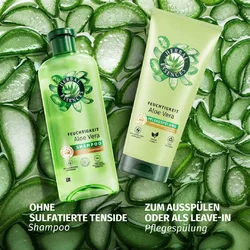
- No shampoo can stop hair loss, but the “right” shampoo at least does not subject your hair to additional stress. Aggressive shampoos remove the scalp’s natural oil film. Prefer gentle, pH‑neutral shampoos with argan and jojoba oil, keratin and essential oils such as mint, sage and pine. These ingredients hydrate the scalp and can, to a certain degree, help repair the hair.
- Use a hair dryer with care. Drying at too high a temperature can damage the hair. Set the dryer to low to medium and keep a distance of at least 15 centimetres from the hair to protect it.
- A soothing scalp massage increases blood circulation and has a positive effect on hair follicles. You can perform such a massage yourself with circular movements and gentle pressure on the scalp. To stimulate scalp circulation you can also massage a beer rinse into the scalp and leave it on for about 30 minutes.
- Protect your hair from UV rays. Especially in summer a sun protection for hair is important. Wear a hat or use specialised sun protection products for your hair to avoid UV damage.
- Avoid tight hairstyles. Braids or ponytails tied too tightly can strain the hair roots and cause hair loss. Use soft hair ties and change the position of your hairstyle regularly.
- Make an infusion of birch leaves to moisturise the scalp and naturally provide calcium, potassium, iron, zinc, magnesium and vitamin C.
- A hair mask made from fenugreek seeds is soothing and anti‑inflammatory for the scalp. You can also take activated fenugreek in capsule form as a supplement.
- If hairs come out in clumps leaving noticeable bald patches, the problem should be medically investigated to rule out underlying conditions.
Hair loss affects many people and can have different causes, from genetic factors to stress or nutrient deficiencies. Early diagnosis and targeted treatment are crucial to stop or at least slow down hair loss. With a healthy lifestyle and the right care, many cases of hair loss can be managed effectively.