Squalane
Do you know this revolutionary wonder for skin care?
What is Squalane?
Squalane is a clear, odourless oil primarily derived from olives and established in the cosmetics industry as phytosqualane. Compared with olive oil it is much less greasy and therefore a little more fluid. A newer, more sustainable version is produced from sugarcane, which is a major advance since squalane used to be obtained from shark liver. The name comes from the Latin word “Squalus” for shark.
\nPlant‑derived squalane, also known as phytosqualane, is fully vegan and very popular in the cosmetic industry. Notably, squalane is a natural component of our bodies. It is present in the skin’s hydro‑lipid film, a protective barrier that keeps the skin supple and shields it from external stressors. The body’s own substance, called squalene, makes up about 15% of our sebum and plays an important role in skin care.
\nWhat is the difference between squalane and squalene?
The difference between squalane and squalene lies mainly in their stability and their use in skin care. Squalene, which occurs naturally in the body, is an unsaturated lipid that is less stable due to its double bonds and oxidises more quickly on contact with light and air. Excessive production can therefore lead to skin issues such as clogged pores and blackheads.
\nTo make squalene more stable and suitable for skin care, it is hydrogenated, a process that adds hydrogen. The result is squalane, a saturated lipid that is oxidation‑stable and non‑comedogenic, meaning it does not clog pores.
\nAnother advantage of squalane is its close similarity to the body’s own squalene, which minimises the risk of irritation or allergic reactions. Squalane offers the beneficial properties of squalene, such as moisturising and skin protection, without its drawbacks, making it a preferred ingredient in many skin care products.
\n
What does squalane do for the skin?
Squalane is particularly effective on dry skin because it retains moisture for longer and reduces water loss. The result is better hydrated skin with fewer dehydration lines, appearing smoother and more radiant. It is also a key ingredient in many creams to nourish and protect the skin intensively.
\nIn addition, squalane protects other skin lipids from oxidation as an antioxidant. It fights free radicals formed by environmental stress that can damage cells. Through this antioxidant action, squalane helps prevent premature ageing and preserves the skin’s natural radiance.
\nAnother advantage of squalane is its good spreadability on the skin. It absorbs quickly, leaves a silky feel and improves skin elasticity. Therefore it is suitable not only for the prevention of stretch marks, but also for delicate baby care. Due to its anti‑allergic properties, squalane is especially well tolerated and can be combined with other active ingredients to protect and care for the skin optimally. An appropriate amount of this ingredient can significantly improve skin health.
\nWhich skin types is squalane suitable for?
Squalane is a versatile skin care ingredient suitable for various skin types. For dry skin, squalane strengthens the natural lipid film and protects the skin from moisture loss, particularly in combination with hyaluronic acid or glycerin.
\nSqualane is light, non‑greasy and non‑comedogenic, which means it does not clog pores. It is therefore also suitable for oily and blemish‑prone skin. As it absorbs quickly and does not leave oily residues, it can be easily integrated into a daily routine. For skin prone to severe blemishes or acne, however, a moisturiser containing squalane should be used so as not to interfere with sebum flow.
\nSensitive skin benefits especially from squalane because it is very similar to natural sebum and therefore well tolerated. It helps rebalance a disrupted lipid barrier, provides long‑lasting moisture and strengthens the skin’s protective film. Squalane can also support skin conditions such as atopic dermatitis by restoring the skin’s natural defence.
\nIn anti‑age care, squalane is particularly effective because it prevents oxidation of skin lipids and protects the skin from free radicals. This antioxidant effect helps to prevent fine lines and wrinkles and to maintain the hydro‑lipid film. Combined with other anti‑age actives such as retinol, vitamin C or hyaluronic acid, squalane reveals its full potential and supports a more youthful appearance.
\nSqualane: an active ingredient for hair?
Squalane is not only a wonder ingredient for the skin but is also ideal for hair care. It conditions the hair without greasiness and serves as a conditioner in shampoos or hair oils. Squalane makes hair soft, supple and easy to comb. Moreover, it helps regenerate split ends or brittle hair. Due to its moisturising properties it gives hair a healthy shine that lasts all day. Regular use is important to achieve full benefits.
\nSqualane can be applied in various ways. As a leave‑in treatment, gently massage the oil into the hair and leave it on overnight. It is also ideal as a pre‑wash treatment: simply massage into the scalp, leave for a few hours and then rinse thoroughly. This application leaves the scalp silky, hydrates a dry scalp and creates irresistible shine.
\nSqualane is included in many hair care products, such as conditioners, hair masks, shampoos and hair oils. It is often referred to as a plant‑based silicone alternative because it conditions without weighing hair down.
\nSqualane vs other oils: which is better?
A major advantage of squalane is its stability. While many plant oils rich in unsaturated fatty acids (such as rapeseed oil) tend to oxidise quickly and go rancid, squalane remains stable for a long time due to its saturated structure. This means squalane is less prone to oxidation and has a longer shelf life.
\nSqualane is very similar to the skin’s natural sebum and therefore particularly well tolerated. It is non‑comedogenic, so it does not clog pores, and is suitable for all skin types, including sensitive and acne‑prone skin. Other oils, like coconut oil, can cause clogged pores and blemishes in some people.
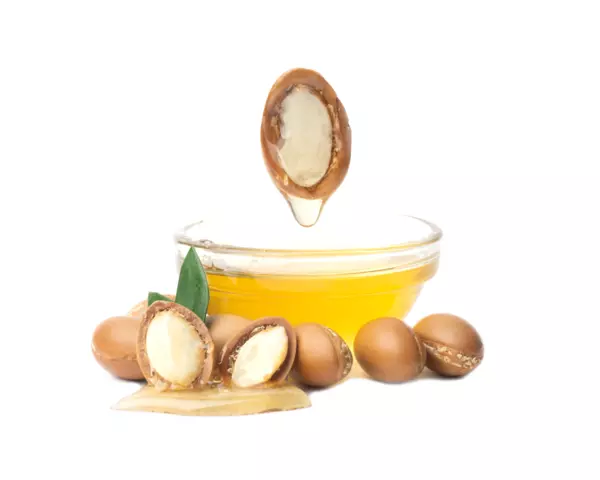
\nSqualane and other emollients such as argan oil and jojoba oil have excellent moisturising properties. Squalane helps retain moisture in the skin without leaving a greasy feel, making it ideal for daily use. Argan oil also contains vitamin E and other antioxidants that offer additional skin care benefits, including anti‑age effects.
\nSqualane is extremely versatile and can be used both in pure form and combined with other care products. It blends well with actives like hyaluronic acid and retinol and is found in serums, moisturisers and even shampoos and hair oils. Other emollients like jojoba oil are also versatile but may sometimes leave a slight oily film.
\nSqualane oil: how to use it correctly
- \n
- Use squalane as part of your night care. Apply it before night cream to boost moisturisation. \n
- Integrate squalane into your daily skin care routine. Its light texture and rapid absorption make it ideal for morning use as it does not leave an oily residue. \n
- Take advantage of squalane’s hydrating and antioxidant properties to counter signs of skin ageing. It can help reduce fine lines and make skin appear more youthful. \n
- If you have sensitive skin, choose products containing squalane as it soothes and strengthens the skin barrier without irritation. \n
- Squalane can act as an antioxidant protecting the skin from UV rays and pollution by neutralising free radicals. \n
- Combine squalane with hyaluronic acid or ceramides in your routine to increase moisturisation and protective effects. \n
- Use squalane oil not only on the face but all over the body. It can serve as face oil, body oil, beard oil, nail oil and even hair oil. \n
- Apply squalane for skin issues such as redness, itching or blemishes, as it soothes the skin and strengthens its barrier function. \n
- Look for products that explicitly use plant‑derived squalane to ensure your skin care is vegan and environmentally friendly. \n
- Include cleansers containing squalane in your routine. They help cleanse gently without drying and leave a soft, hydrated feel. \n
- Use squalane as a base under makeup. It improves the application of foundation and other makeup products by creating a smooth, hydrated surface. \n
- Apply squalane in your hair care to tame frizz and add shine. It is particularly useful for dryness or damaged hair. \n
Squalane is an excellent moisturiser suitable for both skin and hair. Its ability to penetrate deeply and retain moisture makes it particularly valuable in care products. Thanks to its light texture and quick absorption, squalane improves the skin feel and gives hair shine and suppleness without weighing it down. These properties make squalane a preferred ingredient in skin and hair care products.