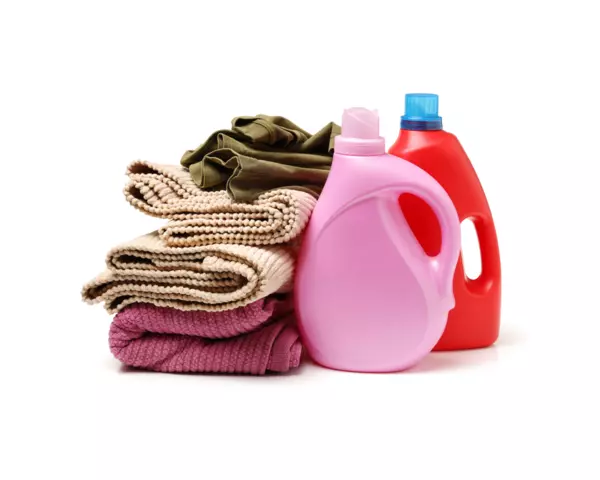
Stain removers
The magic formula for cleanliness
editorial.overview
What types of stain removers are there?
Stain removers are a practical and effective solution for removing stains from garments and other textiles. There are different types of stain removers, each suitable for different stains and fabrics.
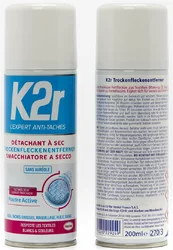
Stain sprays are usually liquid solutions that are sprayed onto the stain. They are very easy to use and work well for large or stubborn stains. Many types of stain sprays are available, including enzymatic and chemical stain removers. They also come in a variety of sizes, from small travel sizes to large bottles for home use.
Stain pens are similar to ordinary pens or markers and are generally small and handy. They are ideal for on-the-go use or for small stains. Stain pens often contain chemical or enzymatic agents that dissolve or remove a stain.
Stain removal wipes are typically soaked in a solution. You simply wipe gently over the stain until it is completely gone. There are several types of stain wipes, from natural to chemical solutions.
Stain removal foam is generally a dense, foamy substance that is applied to the stain. There are a range of stain removal foams on the market, including enzymatic and chemical formulas.
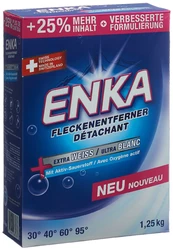
Stain removal powders are often referred to as dry agents and are usually a mixture of powdered substances such as enzymes, bleaching agents and other chemicals. They are sprinkled onto the stain and then soaked or immersed to dissolve and clean the stain. Stain removal powders are particularly useful for hard-to-remove stains like oil or grease on carpets or textiles.
Stain removal gel is typically a thicker, gel-like substance that is applied to the stain and left to work to remove it. It is often effective for textiles and carpets, as well as upholstery and car seats.
Which ingredients in stain removers are particularly effective?
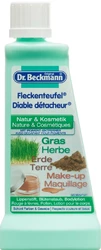
Different ingredients in stain removers target specific types of stains. Enzymes are proteins that break down certain types of organic stains such as blood, grass or food stains. They are among the gentlest and most environmentally friendly stain removers and are commonly used in liquid formulations.
Bleaching agents are typically chemical compounds such as hydrogen peroxide or sodium hypochlorite, used to bleach or lighten stains. They are particularly effective on stubborn stains like coffee, tea, wine or tomato sauce.
Alcohols such as isopropyl alcohol or ethanol are used in stain removers to dissolve grease and oil stains, as well as wax stains.
Surfactants are chemical compounds capable of dissolving and emulsifying grease and dirt particles in water. They are found in many types of stain removers and are used on clothing, carpets and upholstery.
Solvents such as acetone or turpentine help with stubborn stains like paint or glue. However, they are often not suitable for delicate materials such as silk or wool.
What should you pay attention to when using stain removers?
It is important to note that each ingredient has different effects and risks. Some ingredients can cause allergic reactions or skin irritation, while others may be harmful to certain materials.
It is necessary to read the instructions and follow them when using stain removers. Also test the stain remover on an inconspicuous area before applying it to the stain, and wear protective gloves to avoid skin contact.
Are there environmentally friendly alternatives to chemical stain removers?
When looking for environmentally friendly alternatives to conventional stain removers, several options are available. One option is stain removers that are based on plant or mineral ingredients. These are often considered environmentally friendly and gentler on health. They do not contain harsh chemicals and do not harm the environment.
Examples of plant- or mineral-based stain removers include products based on citric acid, soapwort or Marseille soap. Another option is home remedies such as baking soda or vinegar. Baking soda can, for example, be used to remove grease and oil stains.
Effective tips for selecting and using stain removers
- Act quickly to remove the stain as soon as possible.
- Test the stain remover on an inconspicuous area to ensure it does not damage the material.
- Always wear protective gloves when working with chemical stain removers.
- Use cold water to treat blood stains. Hot water can set the blood in the fabric.
- Oil and grease stains can be removed with warm water.
- Be aware that some stain removers are specifically formulated for certain materials such as wool or silk. Use only the product recommended for the material in question.
- When applying a stain remover to delicate surfaces such as carpets or upholstery, apply only as much as necessary and rinse the area thoroughly to remove residues.
- Be careful when mixing different stain removers or cleaning products, as their combination can cause dangerous reactions.
- If the stain remover does not work immediately, do not leave the product on the surface for too long, as this may cause damage. Wipe the stain remover off after the recommended dwell time and repeat the process if necessary.
- Avoid rubbing stains, as this can spread the stain further or make it penetrate deeper into the material.
- Coloured or patterned fabrics should not be treated with bleaching agents to avoid fading the pattern.
- Strong chemicals are not recommended for delicate fabrics such as silk or cashmere. Instead, use mild stain removers or home remedies such as vinegar or baking soda. A paste of baking soda and water can be applied to the stain and then rinsed off.
- If you have a stain on a carpet, do not rub or scrub it, as the stain may be forced deeper into the carpet and become more difficult to remove. Instead, gently blot the stain and then wipe with a clean, damp cloth.
- For stains on leather surfaces, never use a stain remover containing alcohol or acid. Use a special leather cleaner instead and gently blot the stain.
With the right stain removers and quick action, stains can be broken down easily and the lifespan of clothing and items extended.