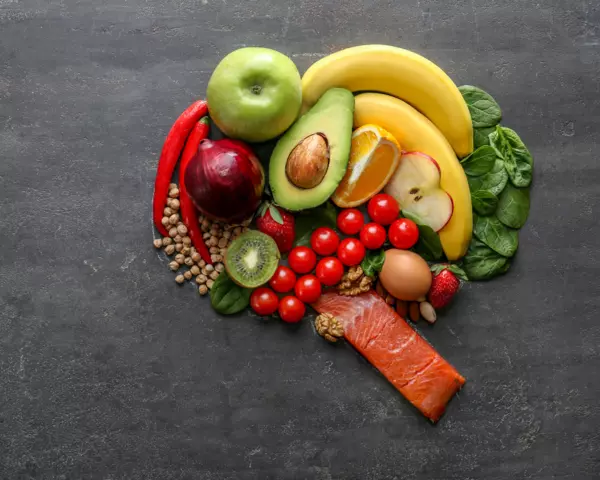

Studentenfutter
The powerhouse
editorial.overview
What is Studentenfutter?
Studentenfutter generally refers to a mix of raisins and various nuts such as hazelnuts, almonds, cashews, Brazil nuts or walnuts. There is no strict definition of Studentenfutter, so the exact composition varies from brand to brand. This nut-and-dried-fruit mix has become a popular snack today, appreciated while studying, working or relaxing.
As an energy-dense snack, Studentenfutter keeps you fuller for longer than a chocolate bar and helps reduce cravings – no wonder it has become a so-called brainfood even outside university. The combination of a variety of nuts and dried fruits in Studentenfutter supplies the body with a broad spectrum of important nutrients.


What health-promoting properties do dried fruits and nuts have?
Dried fruits, including raisins and cranberries, are rich in B vitamins, which support the nervous system, while the natural sugars and carbohydrates they contain help boost mental performance.
Nuts have long been considered ideal brain food. Almonds are rich in unsaturated fats, protein and fibre, support heart health and provide lasting satiety. Walnuts are known for their omega-3 fatty acids, which have anti-inflammatory properties, while hazelnuts supply important minerals like magnesium and iron that are essential for energy metabolism and oxygen transport in the body.
Cashews contribute to blood formation and provide good amounts of copper and iron. Brazil nuts are an excellent source of selenium, an antioxidant that supports cellular health. Additionally, nuts in Studentenfutter are often rich in vitamins such as vitamin E, B vitamins and antioxidants, which enhance immune function.
Potassium regulates fluid balance, calcium strengthens bones and magnesium helps prevent muscle cramps, which makes this snack attractive for athletes as well.
What challenges does the high calorie content of Studentenfutter pose?
In terms of nutrients and calories, this popular snack is a real calorie bomb: at around 570 kilocalories per 100 grams, Studentenfutter is on par with a nut chocolate bar. This is mainly due to the high fat content of the nuts and the high carbohydrate content of the dried fruits.
Because Studentenfutter contains many calories and tastes tempting, consumption can quickly lead to a high caloric intake. If the goal is weight loss, it is advisable to control portion sizes of Studentenfutter as with any other food.
Why should people with irritable bowel syndrome be cautious with Studentenfutter?
People with irritable bowel syndrome should be careful when consuming these snacks. Walnuts, almonds, pistachios, hazelnuts and peanuts are high in fibre, which promotes satiety but can also cause digestive issues, particularly for those with IBS. For them, Studentenfutter is therefore not recommended.
Thanks to its balanced nutrient composition, the body is supplied with energy not only in the short term but also over the long term. Unlike sweets or heavy meals that cause blood sugar to spike and then drop, blood sugar remains relatively stable after consuming Studentenfutter.
What varieties of Studentenfutter are available for special preferences?
A popular option is Studentenfutter with chocolate, where chocolate pieces are added to the traditional mix of nuts and dried fruits, giving a sweet touch and extra indulgence.
For those who don’t like raisins, there are also versions without them. Raisins are replaced by alternative dried fruits to provide flavour variation.
There are also gluten-free types of Studentenfutter for people with gluten intolerance. In addition, Studentenfutter with a yogurt coating is available. This not only gives the mix a pleasant texture but also a light, tangy freshness.
What makes Studentenfutter vegan?
The usual Studentenfutter is a perfect option for vegetarians and vegans. Since the main components are typically plant-based ingredients like nuts and dried fruits, Studentenfutter is often vegan-friendly. However, if additional ingredients such as chocolate are included, the product may no longer be suitable for vegans.
How to enjoy this popular snack
- Keep in mind that the health effects of Studentenfutter depend not only on the mix but also on the quality of the ingredients.
- Check reviews and tests to ensure you get a high-quality product.
- Choose products that contain no added sugar or other artificial additives.
- Consume no more than 50 grams of Studentenfutter per day, about a handful as a healthy snack.
- Please ensure that children under four years old do not eat Studentenfutter, as nuts can pose a choking hazard.
- Be cautious if you suffer from allergies, as the nuts contained have a high allergy potential and are not suitable for everyone.
- Use Studentenfutter not only as a snack but also as a tasty addition to your morning muesli or porridge. Start your day with a portion of Studentenfutter full of energy and enjoy the nutrient variety.
- Sprinkle Studentenfutter over ice cream or yoghurt for a delicious flavour.
- Take these snacks on hikes or other outdoor activities to quickly recharge your energy.
- Turn your Studentenfutter into homemade energy bars for on the go.
- Replace chips and other salty snacks with spiced Studentenfutter as a healthier alternative.
- Surprise your friends with homemade Studentenfutter as an original gift.
- Store your Studentenfutter in airtight containers to keep it fresh and crunchy.
- Eat your snack slowly and chew thoroughly to aid digestion and prevent stomach discomfort.
- Avoid eating Studentenfutter shortly before bedtime, as it can affect digestion and disturb sleep.
- Listen to your body and watch for signs of discomfort after eating Studentenfutter to find the right portion size and timing.
- Consider making your own Studentenfutter. You can buy different nuts and dried fruits separately and mix them to taste. That way you can be sure the blend matches your preferences exactly.
Studentenfutter is not only a tasty snack but also a healthy powerhouse that improves cognitive function, provides energy and offers numerous health benefits that go far beyond simply satisfying hunger. Enjoyed in moderation, Studentenfutter is a healthy alternative to chips and chocolate and a rich source of nutrients for body and mind.