
Muesli
The most popular healthy breakfast
What are the main components of muesli and how is it produced?
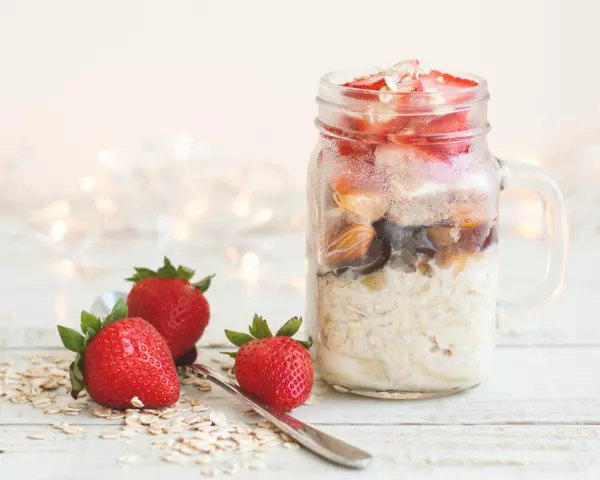
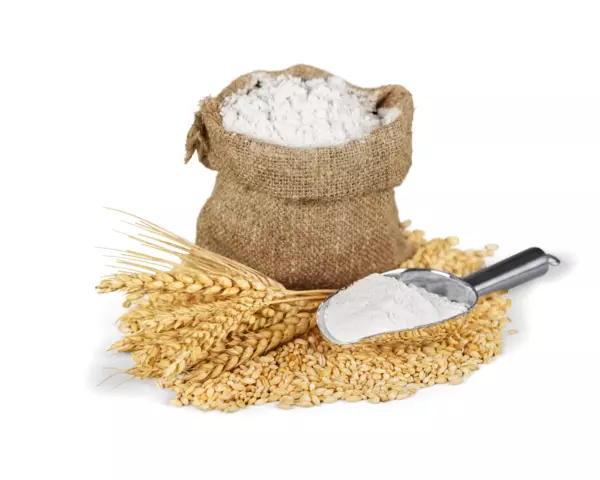
Muesli is a combined product made from whole grain flakes (wheat, barley, rice and rye grains) and various additions (dried fruit, nuts, chocolate).
There are raw mueslis and cooked mueslis. Raw muesli refers to a product treated mechanically rather than thermally. For cooked muesli, raw grains are mixed with various additives (juice, honey, sugar, syrup, etc.) and baked at low temperature. This category includes granola and crunch.
What health benefits does muesli offer?
Muesli was originally developed based on the raw food theory. This suggests that unprocessed foods are more nutritious because they retain more vitamins and trace elements. The nutritional value of different mueslis is determined by their composition.
The various components of the recipe not only add flavour variety, but also enable complex combinations of beneficial properties. For example, the B vitamins found in grains have a positive effect on the nervous system and contribute to a healthy structure of teeth, nails, hair and skin. The fibre that cereals are rich in also regulates bowel function.
To increase energy content, nuts, honey and other calorie‑rich foods are added to the mix. The slow carbohydrates in grains help ensure you don't feel hungry for several hours. Digestion takes longer and maintains the required blood sugar level until the next meal, which helps lower cholesterol.
How do nuts and dried fruit affect the nutritional value of muesli?
Muesli is made of several components: one or more types of oats, buckwheat, wheat, etc. form the base of the product.
Apples, bananas, kiwis, mangoes, pineapples, etc. can be added to the mix, which affects both taste and calorie content.
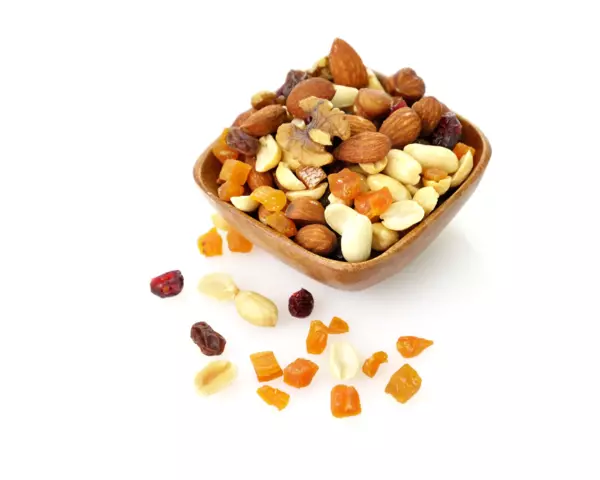
Flavour can also be varied with dried fruits (dates, prunes and apricots). Berries are also a perfect addition to cereals. They provide variety in taste and increase the nutritional value of the muesli.
Nuts are rich in minerals (phosphorus, magnesium, calcium, etc.), vitamins and proteins.
Honey and syrups are added to make the mix tastier or to form muesli bars; they enrich the mix with micronutrients and vitamins and, like nuts, make it more caloric.
Are there low‑carb muesli alternatives?
For those following a low‑carb diet, there are specialised mueslis with specific ingredients. Popular low‑carb muesli ingredients include berries such as raspberries, blueberries and blackberries.
A crunchy, low‑carb breakfast also relies on nuts and seeds. Low‑carb muesli recipes often include almonds, sunflower seeds and pumpkin seeds.
Soy flakes are very popular in low‑carb mueslis. After all, soybeans are among the most protein‑rich foods available in supermarkets.
Crispy and healthy: the best tips for your perfect muesli
- When buying muesli, pay attention to the order in which ingredients are listed on the package. Ingredients are listed in descending order of their weight share.
- When choosing, look for muesli without added sugar, palm oil, colourings or preservatives.
- Prefer muesli with whole nuts, berries and freeze‑dried fruit rather than candied fruit (which contains added sugar).
- Choose minimally processed muesli with toasted but not fried grains.
- Inspect the product carefully. Grains should not be broken, and dried fruit should not be dirty or deformed.
- Do not buy muesli loose; buy only sealed packages and check the best‑before date, otherwise there is a risk of mould. Instead of a healthy breakfast you may end up with digestive problems.
- Choose a muesli that contains more than 8 g of fibre, no added sugar and about 10 g of fat per 100 g of product.
- If you want to get more benefit from the nutrients in the muesli, look for especially healthy products in organic shops — muesli made from sprouted grains. When cereal seeds come into contact with water, a metabolic process is activated. The grain shifts from a dormant, inactive state to a living, active state. Antinutrients such as phytic acid are broken down and essential amino acids and vitamins are formed.
- It is recommended not to eat muesli more than three times a week.
- You can also make your own muesli. It is cheaper and you know exactly the composition and the qualities of the resulting mix.
- To make homemade muesli you need any raw cereals, dried fruit (without sugar, not candied), nuts and milk, yoghurt or plant‑based milk as desired. Mix the ingredients in proportions that suit you and eat your muesli as usual. Add seasonal fruits and berries to the mix.
- You can also produce a vegan muesli. For this you need 150 g of seeds, nuts, grains and cereals (buckwheat, flaxseed, sesame, almonds, peanuts, corn, oats) — whatever you have at home or like. The seeds and nuts are roasted until crisp in a pan or oven and seasoned with spices or berries and fruit. For a sweet muesli add maple syrup instead of honey, which is an animal product, and enjoy your muesli with plant milk.
- If you don't like sweet muesli, you can also make a savoury version. You will need 3 cups of flakes (oats or mixed), half a cup of pumpkin seeds, 1–2 tablespoons of grated Parmesan, 1 tablespoon of mustard seeds. Mix everything well with half a teaspoon of sea salt and freshly ground pepper. Whisk 1 egg white with 3 tablespoons of oil and half a teaspoon of Worcestershire sauce and add it to the flake mixture. Spread it on a baking tray lined with baking paper and roast in the oven until the pumpkin seeds pop.
- Note that muesli is not suitable for everyone. Fruit and berries combined with milk or yoghurt can lead to fermentation and bloating. If this happens, you can use a plant‑based milk alternative in your muesli instead of dairy milk.
With this nutritious product you provide your body with healthy carbohydrates, proteins and minerals and turn your breakfast into a real taste experience!