Sunburn
How to protect yourself
editorial.overview
Can the skin protect itself from the sun?
The skin does have an inbuilt defence against UV radiation, but this protection is limited and varies greatly. By exposing yourself to the sun slowly and in moderation, you can to some extent train the epidermis. Within two to three weeks the outermost layer of the skin can thicken, a so‑called light callus forms and increased production of the pigment melanin leads to a tan. Together these improve UV protection in the short term, but only minimally.
Depending on skin type, the maximum natural protection time ranges from 5 to over 60 minutes. Very fair skin (type I), typical for people with red hair and many freckles, is already at high risk after a few minutes – a sunburn can develop after ten minutes. Darker skin types (type V or VI) have a considerably higher natural protection, but are by no means immune to UV damage or skin cancer.
The tan itself provides only limited protection – roughly equivalent to a sun protection factor of 4 and it fades quickly as the epidermis renews naturally.

How are skin type and sunburn related?
Not everyone reacts the same to sunlight; skin type is decisive. Depending on how much melanin, the pigment, is present in the skin, the natural protection against UV radiation differs. People with very fair skin, red or strawberry‑blond hair and many freckles (skin type I) have little natural protection. Their skin does not tan and can develop a sunburn after less than ten minutes in the sun.
Skin type II is somewhat better protected. The epidermis is also fair and often freckled. Hair colour ranges from blond to brown. Tanning is still difficult and the skin can get sunburned after about 20 minutes without protection.
People with skin type III have fair to lightly tanned skin, few freckles and darker hair. The epidermis can gradually adapt and tan over time, but the approximate natural protection time is only 30 minutes.
Skin type IV includes people with olive or light brown skin, dark hair and dark eyes. Their epidermis tans quickly and deeply; sunburn is less common, but protection is still needed at the latest after around 40 minutes.
For skin type V with considerably darker skin, dark hair and eyes, the natural protection time is about 60 minutes. A sunburn is uncommon, but not impossible.
Skin type VI, with very dark to black skin, can theoretically remain unprotected in the sun for up to 90 minutes before early damage appears. Even here, however, UV radiation damages the skin in the long term — often without visible warning signs.
It is important to assess your own skin type correctly, which many people find difficult according to studies, and to consistently use sun protection. UV rays do not respect skin type when it comes to long‑term damage such as photoageing or skin cancer — whether the skin is light or dark.
Sunburn symptoms — what complaints can occur?
Sunburn usually develops gradually. At first the epidermis appears only slightly reddened, but after 12 to 24 hours the reaction peaks. Typical symptoms then become apparent. The affected areas are distinctly red, warm to hot, tender and painful to the touch. Often an unpleasant burning sensation and itch accompany it. In some cases mild swelling may occur — a sign of the inflammatory response.
Depending on the severity of the sunburn, the skin may peel or blisters may form. This is a clear sign that deeper layers of skin have been damaged. While mild burns heal within a few days, more severe cases can have longer‑lasting effects and leave marks. Possible consequences include pigmentary changes, scarring or a prolonged hypersensitivity of the epidermis.
If a large part of the body is exposed to the sun, symptoms can arise not only locally but throughout the body. Fever, headache, chills or severe fluid loss are then not uncommon — in some cases a heatstroke may develop, with nausea, vomiting and dizziness. In such situations medical help is urgently recommended.
Do clouds protect against sunburn and UV rays?
A grey sky feels reassuring to many people. But believing that no sun protection is needed when it’s cloudy is a false sense of security. Even when the sun is hidden behind thick clouds, a large portion of UV radiation reaches the earth’s surface — and therefore our bodies.
Light or broken cloud is particularly deceptive. Bright clouds, such as scattered cumulus, can scatter and even intensify the sun’s rays — in some cases by up to 50 percent compared with a clear sky. That means UV exposure in cloudy conditions can, under certain circumstances, be not only present but even increased.
Whether it feels warm or cool outside makes little difference. What matters is the UV index. It indicates how intense the radiation actually is at a given place and day. From a value of 3 experts recommend continuous protective measures such as sunscreen, protective clothing and staying in the shade, even when the sun is not directly visible all day.
Clouds are not sunglasses for the skin. Relying on them risks unintended sunburn and long‑term skin damage. Checking the UV index is more important than looking at the sky.
What happens to the skin during sunburn?
A sunburn (medical term: solar erythema) occurs when the skin’s natural defence systems can no longer cope with UV radiation. With intense or prolonged sun exposure these protective mechanisms are quickly overwhelmed. Cells in the epidermis are then so badly damaged that the body causes them to die off deliberately.
This “programmed cell death” (apoptosis) is a form of self‑protection to prevent worse damage. The affected cells release signalling substances that trigger inflammation. The skin becomes red, hot, slightly swollen and painful. In severe sunburns tissue fluid can accumulate under the epidermis, leading to blister formation.
These processes do not happen immediately. A sunburn often appears hours after sun exposure, peaks after 12 to 24 hours and subsides only after several days. When the skin peels, this is a sign of healing. Dead cells are shed and new, healthy skin forms underneath.
Repeated sunburns overload the skin’s repair capacity in the long term. Damage accumulates — and with it the risk of permanent skin changes and even cancer increases.
Sunburn: should you peel off skin that is flaking?
Peeling of the epidermis is part of a natural repair process. The body sheds dead cells to make room for new, healthy skin. Helping this process by pulling off the skin prematurely, however, risks more harm than benefit. Under the apparently “finished” new skin the protective barrier is often not yet fully restored.
Peeling creates tiny injuries that are often invisible. These can become infected, delay healing and, in the worst case, leave scars.
It is better to leave the skin alone, care for it gently and support it with a moisturizing lotion. It will then heal not only faster but also more cleanly.
How quickly does skin cancer develop after sunburn?
A sunburn usually disappears after a few days, but its traces remain. What many underestimate: the skin never forgets. Every sunburn, especially in youth, can leave lasting damage. Skin cancer does not arise immediately after the first sun exposure, but the risk increases slowly — often over decades.
Sunburns in childhood and adolescence significantly increase the risk of skin cancer in adulthood. It does not matter whether it was a mild sunburn or repeated intense exposure — every injury counts. With each dose of UV radiation the number of damaged skin cells increases. Eventually the body can no longer repair these damages — and then cancer may develop.
Cancer typically develops quietly and slowly. Early signs can appear years or even decades after the initial sunburn. The most common non‑melanoma skin cancers are basal cell and squamous cell carcinomas, but the dangerous malignant melanoma can also occur and may be particularly aggressive.
Acting early can greatly reduce your risk. That means consistently avoiding sunburns, using SPF daily and especially protecting children’s skin. Their epidermis is thinner and more sensitive and they have their whole lives ahead of them.
When should you see a doctor for a sunburn?
A mild sunburn is unpleasant but usually harmless. It resembles a first‑degree burn. The skin is red, tight and burning. In most cases it heals without consequences after a few days.
The picture is different when the skin is more severely affected. If blisters form, the redness persists for several days and there is severe pain, this is a second‑degree burn. In this case a medical consultation is advisable, even though the skin may theoretically heal without scarring. Only medical professionals can accurately assess the extent and intervene if necessary.
In severe sunburns with widespread blistering there is a risk of fluid loss, infection and scarring. Prompt medical care and treatment are then particularly important. In severe cases a fluid infusion may be needed to stabilise circulation. Anti‑inflammatory medication or corticosteroid creams may also be used.
Avoiding & treating sunburn: how to protect and care for your skin
- Avoid the midday sun — your skin will thank you. Between 11 am and 3 pm UV radiation is strongest. Even in the shade it can still cause damage. Plan outdoor activities for the early morning or late afternoon.
- Apply your sun protection, ideally a sunscreen, well in advance. It’s best to apply at least 30 minutes before going outside. This gives the sunscreen time to take full effect — and you won’t start the day unprotected.
- Choose the right sun protection factor. Your skin type determines which SPF you need. Fair skin types should use at least SPF 30 or higher, and remember: reapplying does not extend the protection time, it only maintains it.
- Use clothing as natural protection. Tightly woven fabrics and dark colours block UV rays far better than light, thin clothing. In summer breathable materials and UV‑protective clothing are particularly recommended, especially for children.
- Protect your head and eyes sensibly. A wide‑brimmed hat shields not only your scalp but also provides shade for the face and neck. Sunglasses with a UV filter protect your sensitive eyes from long‑term damage.
- Water, sweat and friction reduce the effectiveness of sunscreen. For this reason you should reapply at least every two hours — and especially after swimming or towelling off.
- Watch the UV index. The UV index tells you how high the current sunburn risk is. From a value of 3 onward consistent sun protection is advised — even with clouds or cool weather.
- Drink extra fluids if you have sunburn. Sunburn not only removes moisture via the epidermis but also stresses circulation. Adequate water helps stabilise fluid balance and supports healing.
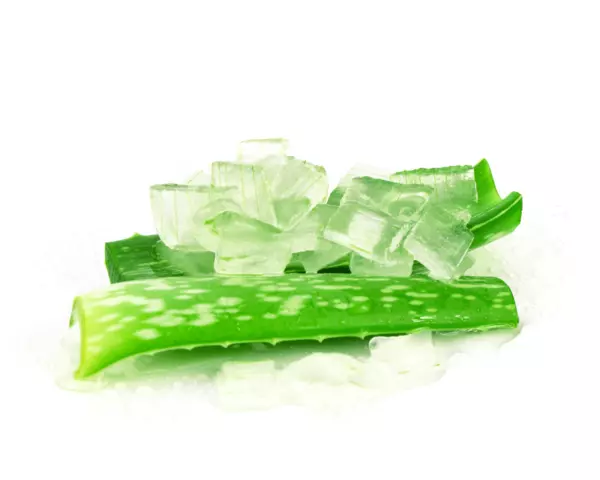
- Cool the skin immediately after sunburn. Lukewarm water, cold compresses or soothing gels with aloe vera help calm inflamed skin. Avoid ice — it can further irritate and damage the epidermis.
- Use after‑sun products selectively. Light, moisturizing lotions with cooling ingredients like panthenol or allantoin care for the skin gently. Avoid heavily perfumed products and greasy creams — they can trap heat in the skin.
- Avoid home remedies like lemon or vinegar. Such remedies can strongly irritate damaged skin and delay healing. Cottage‑cheese compresses or cooled green tea are better — cooling, soothing and skin‑friendly when used correctly.
- Don’t underestimate cloudy days. Even when the sun is hidden, up to 80% of UV rays penetrate the cloud cover. Especially with light or broken cloud the radiation can even be amplified. Sunscreen is therefore mandatory on grey days as well.
- If you want to be environmentally conscious, opt for mineral sunscreens. Chemical UV filters like oxybenzone can harm corals and marine life. Mineral filters containing zinc oxide or titanium dioxide are more skin‑ and sea‑friendly — look for products without microplastics and without nanoparticles.
- Sunburn on the face requires special attention. The skin there is particularly thin and sensitive. Light, cooling gels or specialised facial lotions help with redness and tightness, while heavy creams are more likely to clog pores.
- Make sun protection a daily habit. Especially for the face, it pays to include sunscreen in your morning routine. This protects not only against sunburn but also in the long term against wrinkles, pigment spots and photoageing.
Sunburn is more than a temporary skin problem. It is stress for the whole body and can lead to long‑term consequences such as premature skin ageing or even skin cancer. That is why it is so important to protect the epidermis consistently, take warning signs seriously and make sun care a daily routine. Those who enjoy the sun consciously and take precautions can experience the warm season carefree and with healthy skin.