

Transient Ischaemic Attack
These lapses are only apparently harmless
What is a Transient Ischaemic Attack?
A Transient Ischaemic Attack (TIA) is a temporary reduction of blood flow to part of the brain, which depending on the area affected can cause temporary impairments or loss of neurological functions such as movement, vision or speech. A TIA is sometimes described as a “transient circulatory disturbance” and is commonly known as a mini‑stroke. Unlike a full cerebral infarction, the stroke‑like symptoms of a TIA typically resolve within 24 hours or even within a few minutes.
Causes of a TIA can include small blood clots, for example those that form after surgery when a person has been immobile for a long time. Another cause is cardiac arrhythmias: a Swedish study found atrial fibrillation in two out of ten TIA patients. Small clots can form in the left atrium, travel with the bloodstream into the arteries supplying the brain and temporarily block them. In the case of a narrowing of the carotid artery, small calcified deposits can also break off and occlude cerebral vessels temporarily.
People with atrial fibrillation, high blood pressure, coronary artery disease (CAD) and peripheral arterial disease (PAD) are therefore particularly at risk for a TIA. In general, narrowed carotid arteries, older age, use of hormonal contraceptives, a family history of TIAs or strokes, smoking, excess weight and elevated blood sugar levels all increase the risk of a TIA.

How dangerous is a TIA?
A TIA is potentially life‑threatening. After a temporary disturbance of cerebral blood flow, the risk of a severe or fatal stroke is increased sixfold within the following two weeks.
That is why it is important that affected persons see a specialist immediately or at least consult their general practitioner. Considering pre‑existing conditions and risk factors, the doctor can assess whether an event was indeed a TIA, whether further investigations are needed and which measures should be taken to minimise the risk of further TIAs.
What are the symptoms of a Transient Ischaemic Attack?
A TIA causes temporary neurological symptoms similar to those of a stroke. The specific symptoms depend mainly on which part of the brain is affected by the short‑lived lack of blood flow.
Typical symptoms may include weakness or paralysis of the limbs, speech difficulties and sensory disturbances. If the vessels to the eye are affected, there can be visual disturbances up to temporary blindness.
Sometimes the symptoms seem harmless. Affected people may, for example, feel that a hand or foot is “asleep” even though they have not been resting on it. Or an arm may no longer be able to be raised.
These symptoms should be taken seriously as they can be warning signs of an impending stroke: temporary weakness and paralysis on one side of the body; brief numbness of one side of the body or of individual limbs; temporary speech problems with slurred or unclear speech; temporary difficulty understanding or expressing thoughts; transient balance problems and uncoordinated movements; temporary swallowing difficulties; short‑lived problems with memory, thinking and problem solving; temporary one‑sided visual disturbances.
During a TIA some people may also experience headache. Otherwise a TIA is usually painless. Because it is painless and short‑lived, many people unfortunately do not take a TIA seriously.
How long does a TIA last?
Symptoms of a TIA come on suddenly, usually last a few minutes to half an hour and then completely resolve. Most attacks last less than five minutes. Several TIAs may occur in one day, but it is also possible to have only two or three TIAs spread over many years.
The common reaction is: “It was nothing.” Even if the symptoms occur 1–2 more times. However, these recurrent symptoms can indicate a slowly progressing occlusion of a blood vessel or group of vessels in the brain. Multiple short TIAs can ultimately lead to a full stroke. Therefore it is important to take such events seriously and seek medical help immediately.
How is a TIA treated?
Treatment is primarily aimed at preventing further TIAs and avoiding a stroke. Crucial to this is control of risk factors through optimal management of high blood pressure, elevated blood sugar and blood lipid levels. The risk of a severe stroke after a TIA is increased. Therefore treatment focuses on identifying and reducing individual stroke risk factors.
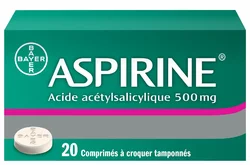
Acetylsalicylic acid (ASA), or aspirin, can help to prevent new blood clots. For people with atrial fibrillation, the use of anticoagulants is usually advisable.
In some cases a severely narrowed carotid artery can be treated by angioplasty and placement of a stent.
In addition to medical and surgical measures, a healthy lifestyle is important. Regular exercise at least three times a week for 30 minutes, a balanced diet, maintaining a healthy weight and not smoking can positively influence risk factors.
How to prevent a Transient Ischaemic Attack: top tips
- It is important to see a doctor immediately, even if visual disturbances, numbness or weakness go away quickly.
- Effective control of high blood pressure, high cholesterol and diabetes can help prevent a TIA. People with conditions that increase the risk of cardiac clots, such as atrial fibrillation, should take anticoagulant medication.
- Doctors usually treat a TIA with antiplatelet agents, also called "blood thinners", such as acetylsalicylic acid (ASA) and clopidogrel. These drugs prevent platelets from clumping into a plug and thus blocking a vessel. In stroke patients these medicines can be prescribed as monotherapy or in combination.
- To prevent further TIAs and thereby a cerebral infarction, antihypertensive drugs such as ACE inhibitors or diuretics are also used.
- You may want to try to reduce any existing overweight, as it is a risk factor for vascular and cardiovascular disease. Overweight can promote factors such as high blood pressure, diabetes and high cholesterol, which in turn increase the risk of a TIA.
- A healthy diet low in saturated fats and trans fats and rich in fruit, vegetables and whole grains can help lower the risk of a TIA. Individual counselling may be advisable.
- Smoking is an important risk factor for stroke. Quitting smoking can significantly reduce stroke risk and is therefore an important preventive measure for stroke and TIA.
- It is recommended to avoid or consume very little alcohol, as excessive alcohol intake can increase the risk of a TIA. Limiting alcohol consumption helps to control this risk factor.
- Experts recommend that at‑risk patients aim for at least 150 minutes of moderate or 75 minutes of vigorous physical activity per week. Regular physical activity can help control high blood pressure, high cholesterol and diabetes. Exercise can also improve cerebral blood flow, reduce stress and support weight management.
- It is important to avoid chronic stress, as ongoing stress can trigger physiological responses that increase the risk of cardiovascular diseases, including strokes and TIAs. Effects of chronic stress include increased release of stress hormones such as cortisol and adrenaline, elevated heart rate and blood pressure, and a greater tendency to inflammation. These factors can impair vascular health and increase the risk of clot formation and thus of a TIA.
To prevent a stroke it is important to critically review and, if necessary, change lifestyle habits after a TIA. A TIA is essentially an early warning from the body. And it is within your power to actively influence many risk factors and reduce your personal risk.