Circulation disorders
What lies behind symptoms in warm temperatures
What are circulation disorders?
Through a widely branched network of blood vessels, our blood reaches all regions of the body. Arteries and arterioles carry oxygen- and nutrient-rich blood from the heart to all organs and tissues. Nutrient-poor blood is then transported back to the heart by veins and venules.
In a circulation disorder, blood flow is impaired in a specific area of the body. The extremities – feet, legs, arms and hands – are most commonly affected. But the brain, heart, intestines and other organs can also be involved, sometimes with serious consequences.
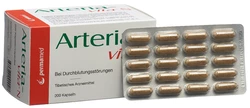
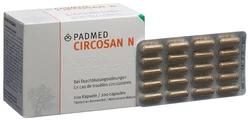
What causes circulation disorders?
Heat is a common cause of circulatory problems. The body releases heat through the skin so that it can maintain its normal temperature of 36 to 37 degrees Celsius even in hot conditions. The skin is the most important organ for regulating body temperature. Blood flow to the skin increases so that warmed blood from the body's interior reaches the surface. This reduces perfusion of the internal organs. Blood pressure drops, and the brain may temporarily receive insufficient oxygen because of the low blood pressure. This can lead to dizziness, headaches, nausea and sweating, even brief fainting. Fluid loss from sweating also increases the risk of circulatory problems. Risk factors for developing circulation disorders include, among others, smoking, high blood pressure (hypertension), elevated blood lipids (hypercholesterolaemia and hyperlipidaemia), diabetes mellitus and overweight.
Independent of heat, circulation disorders can also be caused by narrowed or blocked arteries, for example due to atherosclerosis or blood clots. Tissues, organs or extremities supplied by the affected vessel receive less oxygen and nutrients. The removal of metabolic waste products such as carbon dioxide from these areas is also slower. As a result, the function of under-supplied organs or limbs is impaired. There is even a risk of tissue death if the poor perfusion persists. This is the case, for example, with heart attack and stroke.
What less common causes can underlie circulation disorders?
Intestinal circulation disorders often arise in the context of so-called visceral arterial insufficiency. The arteries supplying the intestine are narrowed or occluded. Chronic intestinal circulation disorders are usually associated with abdominal pain, particularly after eating.
Stress or cold can (especially in women) promote Raynaud's phenomenon. This is a sudden disturbance of blood flow in individual fingers or toes. The affected digits first turn white, then bluish and finally red as circulation returns. In most cases this is harmless and painless.
What symptoms occur with circulation disorders?
Circulation disorders can occur acutely in any part of the body. They can also develop very slowly (chronically). Symptoms depend mainly on which part of the body is less well perfused and how severely blood flow is impaired. In the event of an acute vessel occlusion in an artery of the arm or leg, severe arm or leg pain, loss of pulse, paleness and a cold sensation, sensory disturbances, numbness, muscle weakness and shock occur within minutes.
In peripheral arterial disease the symptoms appear gradually depending on the stage of the disorder. Coronary artery disease (CAD) is a circulation disorder of the heart muscle caused by narrowing of the coronary arteries. Typical symptoms are a feeling of tightness in the chest (angina pectoris). The pain can radiate to other areas such as the arm, shoulder or neck. If perfusion is so severely impaired that part of the heart muscle dies, this is called a heart attack.
If blood flow in the head is disturbed, it does not necessarily mean something serious or that a severe disease is the cause. Poor diet or lack of exercise can also cause mild circulation problems in the brain. Very often circulation problems in the head are due to muscle tension.
Tension or blockages in the cervical spine can, in addition to the circulatory problem itself, also cause symptoms such as dizziness or nausea. The most common cause of a sudden circulation disorder in the brain is a blood clot. This clot blocks one of the fine blood vessels in the brain. If cerebral perfusion is impaired for a longer period and oxygen supply is insufficient, a stroke occurs and the affected nerve cells die.
How to get your circulation going – Best tips against circulation disorders
- An acute vessel occlusion is a medical emergency. If an acute occlusion of an artery in an arm or leg is suspected, a doctor should be contacted immediately. Another first measure is to pad and keep the affected limb low, as this promotes blood flow.
- Try to be more active in everyday life. For example, take the stairs instead of the lift, cycle or walk to work. Exercise improves circulation and promotes the development of important collateral pathways. Endurance sports such as cycling, swimming or Nordic walking are particularly suitable.
- For circulation problems in the legs, a targeted walking programme of at least half an hour daily is recommended. Active physiotherapy, swimming training or cycling (ergometer) are also very effective.
- Foot exercises are also recommended. From time to time at home, walk on your toes or on your heels. You can walk on the outer and inner edges of your feet or rotate your feet several times clockwise and counterclockwise while standing or sitting. Roll your feet for a few minutes over a spiky ball while standing or sitting. The small nubs stimulate blood circulation and warm the feet.
- Lie on your back and perform pedalling movements with your legs in the air, as if cycling without a bicycle.
- Walk barefoot in the garden or park.
- In extreme heat it is better to eat easily digestible food. Otherwise blood that is actually needed for cooling is redirected to the stomach and intestines.
- Consumption of sugar and animal fats should be kept in moderation. Too many sweets and fast food can cause deposits in the arteries and narrow the vessels. Raw vegetables, whole-grain products and fish are healthy for the blood vessels.
- Magnesium plays an important role in muscle function and can therefore help dilate blood vessels. Eat plenty of whole-grain products, pulses and green vegetables.
- Walnuts supply our brain not only with energy through their high B‑vitamin content, but also improve circulation. The polyunsaturated fatty acids in nuts protect the brain from calcification and the abundant flavonoids promote blood flow.
- Spicy foods such as pepper, chilli and ginger stimulate circulation not only in the mouth but also in the digestive tract and throughout the body. Chilli contains capsaicin, which dilates vessels and thus stimulates circulation. So go ahead and enjoy something spicy or a warming spiced tea now and then.
- Rosemary has, among other effects, a circulation-enhancing and stimulating effect on the cardiovascular system. Sage and red beet are also said to have circulation-promoting properties.
- There are foods that raise blood pressure or stimulate circulation. These can help alleviate circulatory problems in hot weather. Blood pressure can be increased, for example, by salt or liquorice. Both should of course be consumed only in moderation – especially if one normally suffers from high blood pressure.
- To support the body's cooling process, drink at least 1.5 litres per day. In summer especially water, diluted fruit juices, unsweetened teas, electrolyte drinks and non-alcoholic beer are suitable.
- There are also a number of dietary supplements that increase the oxygen content of the blood. Many contain natural ingredients such as ginkgo or ginseng. The flavonoids and terpenoids in these plants also contribute to better cerebral circulation.
- Specific breathing exercises can also improve cerebral circulation. The deeper and calmer we breathe, the more oxygen reaches our body and thus our brain. Various breathing techniques, such as consciously inhaling deeply through the nose or alternating between chest and abdominal breathing, can stimulate circulation.
- In air-conditioned rooms, avoid setting the air conditioning too cold. Otherwise the sudden heat on leaving the room can lead to circulatory problems.
- Those who want to prevent circulation disorders in the brain should refrain from smoking. Smoking deprives the blood of oxygen. Carbon monoxide in cigarettes binds more readily to red blood cells than oxygen and thus impairs or reduces oxygen uptake.
- The gradually increasing foot bath is a classic remedy for cold feet. At a water temperature of about 35 degrees Celsius, place the feet in a comfortable foot basin. Then gradually add warmer water until you reach a temperature of about 40 degrees within 15 minutes. Afterwards dry the feet well, put on warm socks and rest for half an hour if possible. Of course the gradually increasing temperature bath is also suitable for the hands.
- Massages with spiked gloves, sponges or brushes dilate the vessels and improve circulation. Brush feet and hands in circular movements. For skin care and to further increase circulation, a massage oil can be used afterwards. Essential rosemary oil, for example, is suitable as an additive to a massage oil.
With a conscious lifestyle the whole body is supplied with oxygen and the circulation stays active even on hot summer days!

.png.webp)