
Vitamin B12
A deficiency that can cost your nerves
What is vitamin B12?
Vitamin B12, also called cobalamin, is a water‑soluble vitamin from the B‑vitamin group. Because the body cannot produce it, it must be obtained from food. One particularity of vitamin B12 is that, unlike most other water‑soluble vitamins, it can be partially stored in the liver for several years.
Absorption begins in the stomach, where the vitamin is first released from the proteins in food. It then binds to a protective protein that shields it from stomach acid. In the small intestine this protein is broken down and the vitamin binds to the so‑called intrinsic factor, a transport protein produced by the stomach lining. In this form it enters the intestinal cells, where it is transferred to another transport molecule, transcobalamin II. Vitamin B12 is then distributed through the bloodstream and can be taken up by cells.
What does the body need vitamin B12 for?
Vitamin B12 fulfils a wide range of important functions that are essential for many vital processes. It plays a central role in the nervous system, helping with nerve regeneration and being necessary for the formation of neurotransmitters that support communication between nerve cells. Vitamin B12 also contributes to maintaining the myelin sheath, a protective covering around nerve fibres that ensures efficient transmission of nerve signals.
The vitamin is also important for the production of red blood cells in the bone marrow and for oxygen transport in the blood. Additionally, it supports DNA synthesis, which is crucial for cell formation and division. Regarding skin and hair, vitamin B12 supports cell renewal, which can positively affect skin regeneration and hair growth.
Another key aspect of vitamin B12 is its role in metabolism. As a coenzyme it is involved in regulating homocysteine levels, an amino acid whose elevated concentration may increase the risk of cardiovascular disease. Vitamin B12 also contributes to the energy metabolism as it participates in the breakdown of fatty acids and amino acids that are important for cellular energy production.
The liver also benefits from adequate vitamin B12 supply, since it supports fat and protein metabolism and thus contributes to liver health. Finally, vitamin B12 also supports the immune system by promoting the cell division and maturation necessary for immune responses.
What happens with a vitamin B12 deficiency?
A vitamin B12 deficiency occurs when the body does not receive enough vitamin B12, which can lead to a range of health problems. The deficiency often develops gradually because the body has its own stores that can compensate for a while. In some cases the deficiency only becomes apparent after years of insufficient intake; in some people it may even remain without noticeable symptoms.
Early symptoms of vitamin B12 deficiency are often non‑specific and include fatigue, mood changes and difficulty concentrating. These may be accompanied by physical signs such as cracks at the corners of the mouth (angular cheilosis) and sleep disturbances. Coordination and vision problems can also occur. In advanced stages the nervous system is affected and this can lead to sensory disturbances (tingling, numbness), movement disorders such as paralysis, and psychiatric symptoms like depression and memory problems.
Vitamin B12 deficiency can also cause a specific form of anaemia called megaloblastic anaemia. In this condition red blood cells are larger and contain more haemoglobin than normal, leading to reduced oxygen supply to the body. This anaemia is often accompanied by symptoms such as paleness, fatigue and reduced performance.
In cases of very severe deficiency, serious neurological symptoms such as hallucinations and psychosis may occur. Long‑term under‑supply can even cause irreversible nerve damage, which is why early diagnosis and treatment are particularly important. Such extreme deficiency states are, however, rare in industrialised countries.
How can a vitamin B12 deficiency arise?
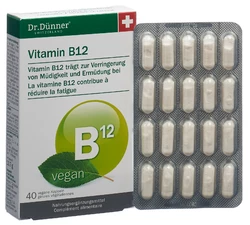
A vitamin B12 deficiency can be caused by various factors, particularly insufficient intake or impaired metabolism of the vitamin. One of the most common causes is a diet that includes little or no animal products, as in a vegan diet. Since vitamin B12 is mainly found in animal foods, adequate supply without supplementation is not possible for vegans.
Also important are conditions that impair vitamin B12 absorption in the gut. Chronic intestinal diseases such as Crohn's disease or coeliac disease often prevent efficient absorption of the vitamin. Surgical removal of parts of the stomach or small intestine can also contribute to the body's inability to absorb the vitamin properly. In such cases the intrinsic factor, a protein necessary for B12 absorption, may be lacking or impaired.
Another risk factor is the use of certain medications such as metformin, commonly used for diabetes, or omeprazole, prescribed for stomach problems. These medications can impair B12 absorption.
Alcohol abuse as well as liver and kidney diseases can also significantly lower vitamin B12 levels, either through increased use or increased loss of the vitamin. The requirement for vitamin B12 is also higher during pregnancy and breastfeeding, which can lead to deficiency if intake is inadequate.
How is vitamin B12 deficiency treated?
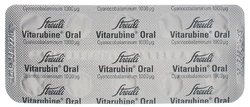
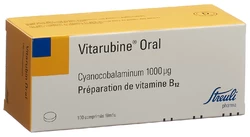
Treatment of a vitamin B12 deficiency depends on the underlying cause. In most cases therapy involves providing vitamin B12, often in the form of injections or specific medicines. If the deficiency is due to inadequate diet, the physician usually recommends supplements or regular injections. For diet‑related causes such as a vegan diet, dietary adjustments in consultation with a nutrition specialist may also be necessary.
For patients whose deficiency is due to impaired absorption, for example because of stomach or intestinal problems, vitamin B12 injections are often required. These are initially given at shorter intervals, often every two weeks, until symptoms subside. Later the injections can be spaced out to longer intervals, for example every three months.
Especially in severe deficiency affecting the nervous system, such as tingling or numbness, long‑term treatment with vitamin B12 injections is often recommended. In these cases injections may be necessary for life to relieve symptoms and prevent further nerve damage. Injections are also easier for many patients to manage, as they can often be self‑administered.
After the initial treatment phase, regular monitoring of vitamin B12 levels by blood tests is frequently performed to check the effectiveness of treatment and ensure values remain stable. In most cases treatment leads to normalization of vitamin B12 levels and improvement of symptoms if the deficiency is treated in time.
Foods that cover your vitamin B12 needs: useful tips
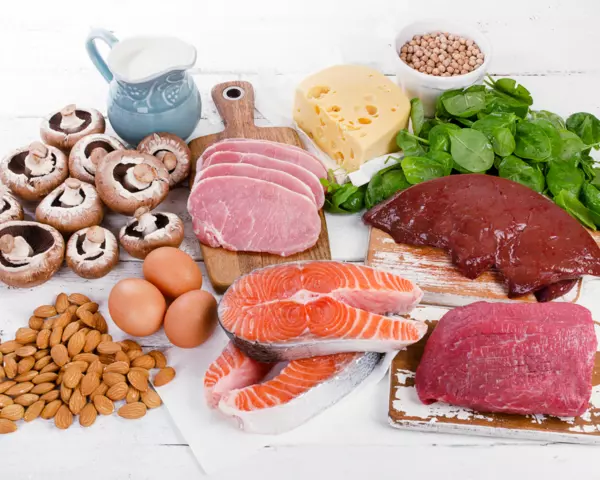
- Eat liver regularly – beef and veal liver are particularly rich in vitamin B12. To soften the taste and improve texture, marinate the liver in milk for about 30 minutes before frying.
- Rabbit meat is a low‑fat, high‑quality source of vitamin B12. It can be fried, braised or used in stews. Prepare it with herbs and a light sauce to intensify flavour without losing nutritional value.
- Mackerel is an oily fish and one of the best natural sources of vitamin B12. Grill or pan‑fry mackerel with a little olive oil, lemon juice and fresh herbs to make the most of its omega‑3s and vitamin B12.
- Clams, oysters and shrimp are excellent vitamin B12 providers. These seafoods are not only rich in B12 but also in zinc, which supports the immune system.
- Trout is an excellent source of vitamin B12 and omega‑3 fatty acids. It grills or fries easily – ideal for a quick lunch or dinner. Finish trout with lemon juice and fresh herbs.
- Emmental, Gouda and Camembert are particularly suitable for covering vitamin B12 needs, especially for vegetarians. Enjoy cheese as a snack, in sandwiches or as an ingredient in pasta dishes.
- Eat beef, which contains vitamin B12 and iron. Choose lean cuts to minimise fat content, and grill or lightly fry to preserve nutrients.
- Meat helps cover daily vitamin B12 needs. The active forms of vitamin B12 are mainly methylcobalamin and adenosylcobalamin, while cyanocobalamin is found mainly in supplements and fortified foods. A deficiency in vitamin B12 can raise homocysteine levels, which may be harmful to health.
- Eggs are a simple and convenient way to include vitamin B12 in your diet. They also contain high‑quality protein important for muscle building.
- Quark is an excellent source of vitamin B12 and works well in sauces, dips or baked goods. Mix quark with fresh herbs and a little garlic for a healthy dip or use it as a base for desserts.
- Yoghurt is not only good for vitamin B12 but also contains probiotics that support gut health. Enjoy yoghurt plain or with fresh fruit and nuts as a nutritious snack. Choose unsweetened varieties to avoid added sugars.
- Plants such as seaweed or sauerkraut contain B12‑like compounds that the body cannot use. They should not be relied upon as substitutes for B12‑rich foods.
- Folate supports metabolism, while gut bacteria produce only a small amount of B12, insufficient to meet total needs. A balanced diet therefore remains crucial.
- If you follow a vegan or vegetarian diet, plant foods are not an adequate source of vitamin B12. In that case you should take vitamin B12 supplements regularly.
Vitamin B12 is indispensable for many bodily functions, particularly for the formation of red blood cells and the health of the nervous system. Adequate supply of this vitamin is essential to prevent deficiency symptoms and long‑term health problems.