Vitamin C
The power secret of a strong immune system
editorial.overview
What role does vitamin C have in the body?
Vitamin C, also known as ascorbic acid, is an essential nutrient with many important functions in the body. Because the human body cannot produce vitamin C on its own, it must be obtained regularly through diet or supplements.
Vitamin C is a powerful antioxidant that protects the body from free radicals. These highly reactive oxygen molecules are produced both by normal metabolism and by external factors such as air pollution, cigarette smoke or UV radiation. Without protection, free radicals can damage cellular structures like proteins, lipids and even DNA, promoting ageing processes and various diseases.
One of vitamin C's main tasks is the production of collagen. Collagen is an important structural protein found in skin, bones, cartilage, tendons, blood vessels and teeth. Without enough vitamin C, the body can only form poor-quality connective tissue, which can negatively affect wound healing, skin elasticity and the stability of blood vessels.
Vitamin C plays an important role in the immune defence. It enhances the mobility and activity of immune cells, particularly phagocytes (macrophages), which fight pathogens. It also protects immune cells from oxidative stress and can reduce the duration and severity of colds.
The adrenal glands need vitamin C to produce important stress hormones such as adrenaline and cortisol. In stressful situations, the demand for vitamin C increases because these hormones help keep the body functioning. A vitamin C deficiency can therefore impair stress resilience and energy production.
Vitamin C improves the absorption of non-heme iron found in plant foods. By converting iron into a more bioavailable form, it helps prevent iron deficiency and anaemia.
Vitamin C is involved in the synthesis of carnitine, a substance necessary for transporting fatty acids into mitochondria. Therefore it plays a role in energy production from fats. It is also important for the production of neurotransmitters such as dopamine and noradrenaline, which are crucial for nervous system function.
Studies show that a high vitamin C level can reduce the risk of respiratory diseases. People with high vitamin C levels also have a 46% lower chance of dying from lung cancer. Research is ongoing to determine whether high-dose vitamin C given intravenously can be used as an adjunct therapy for certain viral infections and cancers.
What is the difference between ascorbic acid and vitamin C?
The term vitamin C is often equated with ascorbic acid, but there are subtle differences. Chemically, vitamin C refers to L-ascorbic acid, an organic acid with strong antioxidant properties. However, not every form of ascorbic acid can actually be used by the body as vitamin C.
Ascorbic acid denotes a group of chemically similar compounds. The human body can only utilise L-ascorbic acid and some of its biologically active forms, such as dehydroascorbic acid (DHA). Other forms, like D-ascorbic acid or isoascorbic acid, are not usable in human metabolism.
Natural vitamin C is a nutrient complex that, in addition to L-ascorbic acid, contains secondary plant compounds such as bioflavonoids, enzymes and other vital nutrients. These additional components improve absorption and effectiveness in the body. A natural vitamin C preparation therefore provides more than just ascorbic acid – it supplies a whole set of nutrients that work together.
There are three main types of vitamin C: pure ascorbic acid (synthetic), natural vitamin C (from foods) and mixed forms (combination of natural vitamin C and ascorbic acid). Pure ascorbic acid is produced industrially and used in isolation; it has lower bioavailability and may cause stomach irritation at high doses. Natural vitamin C contains, in addition to ascorbic acid, secondary plant compounds, enzymes and bioflavonoids, has higher bioavailability, is better tolerated but is sensitive to heat and light. Mixed forms are cheaper than pure natural vitamin C, may have higher bioavailability depending on the ratio, and often contain additives such as fillers or preservatives.
Do vitamin C supplements prevent colds?
The idea that high-dose vitamin C (from 200 mg per day) can prevent colds is widespread. However, there is no clear scientific evidence to support this assumption. So far, studies have not found a definitive link between regular intake of vitamin C supplements and a reduced risk of catching a cold. Therefore there is no general recommendation to routinely take vitamin C – for example during cold season – as a protective measure.
There are exceptions: research suggests that people under high physical stress or in cold environments may benefit from vitamin C. In extreme situations, such as intense exercise sessions or prolonged exposure to low temperatures, taking vitamin C could indeed reduce the risk of colds. A balanced diet rich in vitamin-containing foods remains the best way to support the immune system.

What symptoms can occur with a vitamin C deficiency?
A vitamin C deficiency can cause a variety of symptoms that are often non-specific and therefore easily overlooked. One of the earliest signs is persistent fatigue and exhaustion. Since vitamin C is involved in energy production, a deficiency can lead to reduced performance and lack of drive. A lack of vitamin C can cause more frequent colds or infections because the body's defences are weakened.
Because vitamin C is essential for collagen formation, a deficiency affects the strength of connective tissue. This can result in delayed wound healing, frequent bruising, weak connective tissue and joint problems. Vitamin C is also crucial for the health of the gums, and a deficiency can lead to gum bleeding, loose teeth and oral inflammations. A vitamin C deficiency can cause rough, dry skin and so-called corkscrew hairs, which are twisted and brittle and a typical sign of a long-term deficiency.
In severe cases, swelling of the joints may occur. A pronounced vitamin C deficiency can also lead to the disease scurvy, which occurs when the body receives too little vitamin C over a prolonged period (less than 10 mg per day).
Other possible symptoms of vitamin C deficiency include dry eyes, shortness of breath, spoon-shaped nails, increased susceptibility to infections and red spots on the skin.
Are there side effects from taking vitamin C supplements?
Vitamin C is a water-soluble vitamin and the body usually excretes excess amounts in the urine. Nevertheless, very high doses of vitamin C, especially in supplement form, can cause side effects. These are not common but can lead to unpleasant symptoms in some cases.
One of the most common side effects of vitamin C overdose is digestive disturbances. This can present as diarrhoea, nausea and abdominal cramps. Another common symptom of a high dose of vitamin C can be heartburn. In some cases, headaches may also occur, especially if the vitamin is taken in large amounts over long periods.
Vitamin C can, particularly at very high doses, lead to insomnia or sleep disturbances. It is known to influence the production of certain hormones, which can disrupt the sleep cycle. In some cases, skin redness or skin irritations may occur.
Another risk of taking very high doses of vitamin C is excessive iron absorption. This can lead to iron accumulation in the body and promote the formation of kidney stones. People who already have high iron levels should be particularly cautious.
High doses of vitamin C can interact with various medications and potentially affect their action.
Can the body store vitamin C?
The body can store only limited amounts of vitamin C, mainly in the adrenal glands, the spleen and the brain. Excess vitamin C taken beyond what is needed cannot be stored and is excreted in the urine, because vitamin C is water-soluble. Therefore it is important to consume adequate vitamin C regularly rather than in large amounts on a single day.
Can I give my body too much vitamin C?
An overdose of vitamin C is rare because the body excretes excess vitamin C via the kidneys and urine. However, an intake of more than 1 gram per day can cause digestive problems such as abdominal pain, diarrhoea and nausea. Long-term overconsumption increases the risk of kidney stones. People with kidney disease or a tendency to form stones should be careful and not take more than 1 gram daily. It is important not to exceed the recommended daily dose of about 100–200 mg and to consult a doctor if in doubt.
In which fruits and vegetables is vitamin C found?
Vitamin C is present in many fruits and vegetables. Particularly high amounts per 100‑gram portion are found in guavas, kiwis, bell peppers, citrus fruits, strawberries, pineapples and tomatoes.
Other sources of vitamin C include blackcurrants, spinach, potatoes, brassica vegetables (such as kale, Brussels sprouts and cauliflower), rosemary, thyme and mint, dried goji and açaí berries, green tea and hibiscus tea.
The vitamin C content can be affected by excessive heat, water and air, so it is advisable to consume these foods raw or cooked gently to preserve their vitamin C content.
Vitamin C deficiency: effective tips for prevention and treatment
- Include more vitamin C-rich foods such as citrus fruits, bell peppers, broccoli and kiwi in your diet. A balanced diet helps prevent deficiency.
- Make sure to eat at least 5 portions of fruits and vegetables each day, ideally one at every meal.
- Because vitamin C is sensitive to heat, eat fruits and vegetables raw or only lightly steamed when possible.
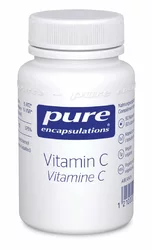
- If your diet is insufficient or you suspect a deficiency, taking vitamin C supplements may be helpful. Consult your doctor or pharmacist first.
- Store vitamin C-rich foods cool, dark and airtight to minimise loss of the vitamin.
- Since vitamin C enhances iron absorption, it can be particularly useful for people with iron deficiency or those on vegetarian diets.
- Regularly complement your diet with a variety of fruits and vegetables to obtain a wide range of vitamins and nutrients.
- Sugar can impair vitamin C metabolism in the body. Reducing sugar intake can improve vitamin C absorption.
- Smoking increases the need for vitamin C because it releases free radicals that deplete the vitamin more rapidly. Make sure to increase intake if you smoke.
- When preparing vitamin C-rich foods, sauté or steam them briefly to minimise vitamin loss.
- Besides citrus fruits, plant sources such as acerola, rose hip or parsley contain particularly high amounts of vitamin C.
- During colds or illnesses, extra vitamin C intake can be supportive. Discuss high doses with a doctor first.
- Certain medications can interact with vitamin C and affect its action. In case of doubt, always consult your doctor.
- If you do not get enough vitamin C from your diet, supplements can be a good alternative – but pay attention to the recommended dosage.
- Because the body cannot store large amounts of vitamin C, daily needs should be covered regularly.
Vitamin C is a true multitasker for our bodies — it strengthens the immune system, supports collagen formation and protects against harmful free radicals. Despite its abundance in fruits and vegetables, it is often underestimated, even though it is needed daily to stay vital and healthy. Whether through a balanced diet or targeted supplementation: the right intake of this important vitamin helps prevent deficiency and promotes long-term well‑being. As with many nutrients, balance is key!