Wax strips
This pain is worth it
editorial.overview
What types of wax strips are there and how do they differ?
Wax strips are a method of hair removal used by women and men across the world. Unlike other hair removal methods such as shaving or epilating, wax strips remove hair from the root, which delays regrowth.
There are various types of wax strips on the market that differ in composition, application and effectiveness. Cold wax strips typically contain a blend of beeswax, resin and oil and do not need heating. They are simply rubbed between the palms to warm the wax slightly before applying to the skin. Cold wax strips are easy to use but not as effective as hot wax strips.
Hot wax strips are generally heated with a wax heater before being applied to the skin. They consist of a mixture of beeswax, resin and oil and are often regarded as the most effective type of wax strip. However, hot wax strips are harder to apply than cold-wax products and require more experience and caution.
Facial wax strips are specifically designed for use on the face and are usually smaller than other strips. They are often gentler and contain milder ingredients to protect delicate facial skin.
Bikini wax strips are intended for use in the bikini area and often have a special shape to better conform to that area. They are frequently enriched with soothing and anti-inflammatory ingredients such as chamomile or aloe vera to minimise skin irritation.
What materials are wax strips made from and which ingredients are used?
Wax strips are made from different materials with varying properties. Suitable materials for manufacturing wax strips include cotton, non-woven fabric and polyester. These materials have a fine structure and can absorb wax well without tearing.
Other materials such as paper, silk or leather should be avoided as they do not absorb the wax well and the strips can tear easily. Materials that are too rough or have a coarse texture should also be avoided as they tend to absorb the wax and make strip removal more difficult.
The main component of wax strips is natural or synthetic wax. Natural waxes are derived from plants or beeswax, while synthetic waxes are petroleum-based.
Oils such as almond oil or jojoba oil are often added as moisturisers and soothing agents.
To improve the wax's adhesion to the hair, resins such as gum arabic are used. Sometimes fragrances like lavender or chamomile are added to give wax strips a more pleasant scent.
Note that some wax strips may also contain chemical ingredients such as parabens or colourants, which can cause irritation for sensitive skin.
How to choose the right wax strips for your skin type?
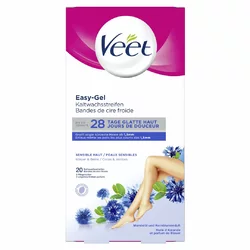
Depending on skin type and body area, different types and strengths of wax may be required. For gentle hair removal, choose wax strips that are specifically formulated for sensitive skin. These strips are typically enriched with natural ingredients such as aloe vera and chamomile and contain no chemical additives.
It is also advisable to choose wax strips with lower tack to minimise skin irritation. For dry skin, opt for strips enriched with moisturising ingredients such as argan oil or shea butter. These ingredients hydrate and soothe the skin.
For oily skin, it is recommended to use strips with stronger adhesion to ensure the wax is fully removed and no residue remains on the skin. However, the wax should not be too hot so as not to irritate the skin.
For normal skin most wax strips are suitable. Depending on preference, you can choose between different scents and ingredients.
What advantages do natural wax strips have over synthetic ones?
Natural wax strips, containing sugar or honey, are free from chemical additives and are gentler on sensitive skin, while synthetic waxes can go rancid more quickly and may cause irritation.
Sugar wax strips are based on a mixture of sugar, lemon juice and water and are a natural alternative to other types of wax. They can also be made at home and are a good choice for people with sensitive skin.
How to use wax strips correctly: tips for smooth and gentle hair removal
- Before waxing, hairs should be at least 3–5 mm long.
- The skin should be clean and dry to ensure better adhesion of the wax strips.
- Do not apply oil or moisturiser to the skin before using wax strips.
- Do not use wax strips on already irritated or inflamed skin.
- Warm the wax strip between your hands before applying it to make it more pliable and help it adhere to the skin.
- Apply the strip in the direction of hair growth and pull it off against the direction of growth.
- Use a cooling gel applicator or a soothing lotion to calm the skin after waxing.
- Avoid applying wax strips to open wounds or fresh scars.
- If you use retinol or other acne medications, do not use wax strips on the face.
- It is recommended to avoid scrubs or other abrasive products after waxing to prevent skin irritation.
- If you are using wax strips for the first time, test the product on a small patch of skin to ensure you are not allergic.
- Avoid treating the same area multiple times in a short period with wax strips, as this can lead to skin irritation.
- Wait at least 24 hours before applying deodorant products or perfumed lotions to the treated skin.
- Thoroughly clean the skin after waxing to remove any wax residue.
- If you have difficulty applying wax strips yourself, have them applied by a professional beautician.
- For optimal results, exfoliate and moisturise your skin regularly to prevent ingrown hairs.
- An elevated blood sugar level can delay wound healing and increase the risk of infection. It is important to monitor your blood sugar before performing hair removal with wax strips.
- If you are diabetic, choose a soft wax to minimise the risk of skin injury and irritation. Soft wax is gentler on the skin and adheres less strongly.
- To make wax strips at home, mix 1 cup of sugar, 1/4 cup of lemon juice and 1/4 cup of water in a saucepan. Bring the mixture to a boil over medium heat, stirring constantly until the sugar is completely dissolved. Reduce the heat and continue stirring until the mixture becomes thick and caramel-like (approx. 5–7 minutes). Remove the pan from the heat and let the mixture cool slightly until it is warm to the touch. In the meantime, cut a piece of fabric (e.g. cotton cloth) to the desired size. Apply the warm wax mixture to the fabric and place a fabric or paper strip on top. Press the strip down in the direction of hair growth and quickly pull it off against the direction of growth. This recipe is intended for body hair areas and should not be used on the face.
- If you are unsure whether you can use wax strips, consult your doctor or dermatologist. They can give you specific advice based on your individual needs and medical history.
Careful application and choosing high-quality wax strips guarantee a smooth, hair-free result!