
Spelt
This fitness grain makes you happier
editorial.overview
What is spelt and why is it considered especially close to nature?
Spelt (Triticum spelta) is a type of cereal from the wheat family, one of the oldest ancestral forms of this grain. Spelt belongs to the hulled cereals, whose inedible outer layer must be removed after harvest. This process is called dehulling.
The hard husk of the grain (hull) protects against fungi and other pests as well as external influences. Thanks to this natural protection, spelt does not require plant protection products during cultivation and becomes an ideal organic grain, as the hull also shields the kernel from fertilisers.
What advantages does green spelt (Grünkern) offer over regular spelt?
Spelt has a richer taste than wheat – slightly nutty and aromatic. In addition, spelt has good baking properties. Even more aromatic is the so-called Grünkern. This is spelt harvested two to three weeks before full ripeness. After harvest it is smoked over buckwheat wood and hulled.
Smoking causes the spelt kernels to mature further, open up and become easier to digest. Their nutrients can then be especially well utilised by our bodies. Grünkern can stimulate the metabolism and have a positive effect on the nervous system.
Why is spelt popular among athletes?
Spelt scores with high-quality plant protein and provides 17 g of protein per 100 g of grain in the form of all eight essential amino acids. Noteworthy is the content of branched-chain amino acids BCAA, which are important for muscle building and maintenance. Therefore athletes like to include spelt in their diets.
Spelt contains 130 mg of magnesium and 4.3 mg of iron per 100 g and is thus the most iron-rich cereal. Iron aids better oxygen transport in the blood, helping you feel fitter and more active. In addition, spelt is rich in copper, zinc and fibre, which can support healthy digestion.
How does spelt support skin, hair and the nervous system?
This grain should not be missing from a healthy diet. Spelt convinces with lots of silicon. This substance supports healthy skin, hair, nails and body tissues in general, giving them firmness and elasticity. In addition, silicon promotes good concentration.
The relatively high content of beta-carotene supports healthy eyes and skin and vitamin E contributes to the antioxidant protection of cells. Vitamin B2 (riboflavin), vitamin B3 (niacin) and vitamin B6 are important for our nervous and immune systems and for a healthy metabolism.
A few extra benefits come from the amino acid tryptophan, also present in spelt and responsible for the formation of the feel-good hormone serotonin. Spelt contains 180 mg of tryptophan per 100 g, significantly more than wheat. Therefore spelt can have a mood-lifting effect.
Discover spelt: tips for mindful eating with this ancient grain
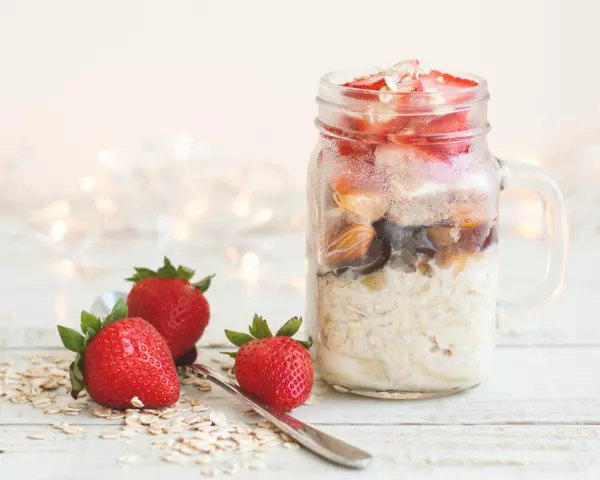
- You can prepare a warm spelt porridge from the aromatic nutty grains, use it as a rice substitute or a filling, or eat spelt flakes in muesli with milk, cultured milk products or plant-based drinks. Spelt is also great as a side dish in vegetable pans or salads. Grünkern tastes good in salads, soups, casseroles and patties. For vegan or vegetarian patties and dumplings, coarsely ground spelt cooked in vegetable broth also works well.
- It is recommended to soak spelt grains overnight in 2.5 times their volume of water or unsalted vegetable broth before cooking. Afterwards they can be cooked in this water for 25 minutes. Soaking helps reduce phytic acid to make minerals bioavailable. Otherwise this acid binds valuable minerals such as zinc and prevents their absorption.
- From lightly milled wholegrain spelt you can make spelt "rice", which provides twice as much protein and six times as much fibre as white rice, and cooks faster than the whole grain.
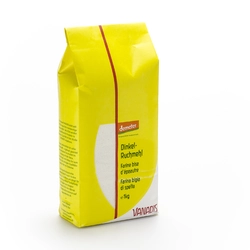
- Spelt flour is ideal for pastries, bread, rolls, pizza and cakes. Do not knead dough with spelt flour for too long, otherwise the dough becomes tough and dry. Bake spelt bread and rolls in small quantities as they dry out quickly. Better baking results are achieved with traditional sourdough baking and long fermentation, which, similar to soaking the grain, contributes to good tolerability for people with sensitive digestion.
- For healthy baking, wholemeal spelt flour should preferably be used. However, there are flour types where only parts of the grain are milled. These are labelled Type 630, Type 812 or Type 1050. These numbers indicate how many milligrams of minerals are contained in 100 g of flour. The larger the number, the higher the mineral content of the flour. Even the lightest spelt flour Type 630 still provides more nutrients than commonly used white wheat flour.
- Spelt bran is produced from the peripheral layers of the spelt grain. You can sprinkle it into yoghurts, smoothies or muesli to make your meals fibre-rich. But do not forget to drink enough fluids.
- Try a caffeine-free spelt coffee. This coffee alternative with a mild roast note tastes malty and nutty and is often sold mixed with chicory.
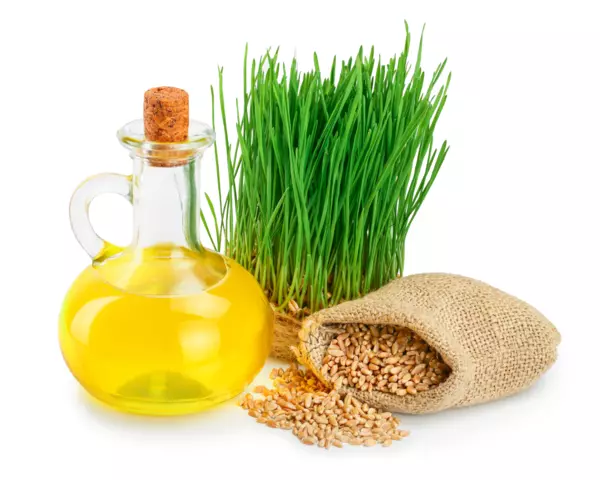
- You can also sprout sweet, slightly nutty spelt sprouts yourself and eat them as vitamin-rich raw food in salads, spreads and vegetable pans. Let the spelt grains soak for about 12 hours, changing the water several times. Let the grains germinate for two to three days in a sprouting jar and rinse them three times a day.
- Or let the sprouts grow into grass to make a highly alkaline spelt grass juice, which delivers plenty of minerals and chlorophyll. The grass also fits perfectly into green smoothies. Spelt grass is also available as a powder. You can mix the powder into a vitamin C-rich juice to increase iron absorption from the spelt grass.
- People with a wheat allergy often tolerate spelt well, which is not the case for coeliac patients. Note that spelt contains more gluten than wheat, albeit in a different form.
With these tips you will get the best out of this trendy ancient grain!