Yeast
The underestimated power for dough, gut and vitality
editorial.overview
What is yeast?
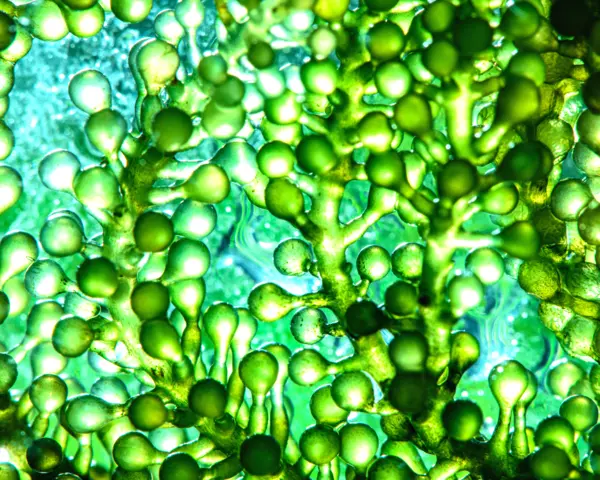
Yeast is a living microorganism from the fungi group and is among the smallest known organisms. It consists of a single cell, not visible to the naked eye and only detectable under a microscope. Some of the best known representatives belong to the Saccharomycetaceae family, which includes the classic baker's yeast used in many food products.
Its composition makes yeast particularly interesting. Besides water, it contains, among other things, protein, carbohydrates and small amounts of fat. Exact values can vary depending on conditions. It also provides numerous vitamins, especially from the B group, as well as proteins that are important for the human body.
Yeast is furthermore a versatile organism. It plays an important role not only in the production of baked goods and beverages, but is also widely used in science. Due to its similar cell structure and many comparable processes, it serves as a model in research areas such as genetics, ageing and medical studies.
What types of yeasts are there?
Yeasts exist in many varieties. In total, more than 1'500 species are known. In everyday life, however, one particular group is most commonly encountered: the so‑called sugar yeasts. These include the familiar baker's and brewer's yeast, which make dough rise or produce beverages like beer. They convert sugars into carbon dioxide and alcohol.
Yeasts can also be distinguished by how they behave during fermentation. Some yeasts rise to the top during this process, others sink to the bottom. This is especially important in brewing. There are also wild yeasts, which occur naturally in the environment, for example on fruit. They are often used in traditional fermentation processes such as sourdough preparation.
In everyday use, yeasts are available in various user‑friendly forms. Fresh yeast is particularly active and commonly used for traditional baking. Dry yeast has a longer shelf life and is convenient to store. Some variants need to be activated beforehand, others can be used directly. Liquid yeast is used more professionally because it allows precise dosing. Yeast flakes are no longer active and are therefore not suitable for baking, but are used as a flavourful ingredient.
There are also special yeasts for specific purposes. For example, winemaking often employs cultured yeasts to influence flavour and alcohol content. Other yeasts are used as dietary supplements because they contain many vitamins and can support general well‑being.



What are the health‑promoting properties of yeast?
Yeast is particularly nutrient‑rich and has long been used as a dietary supplement. It contains numerous vitamins, especially from the B group, as well as proteins, minerals and trace elements that are essential for the body. These components help support fundamental functions in the organism, such as metabolism and the normal functioning of nerves and muscles. In addition, because of its nutrient content, yeast can also contribute to the care of skin, hair and nails.
Another important aspect is its positive effect on digestion and gut health. Yeast contains enzymes like lactase, sucrase and maltase that are involved in breaking down nutrients and thereby support digestion. At the same time, it acts probioticly by settling in the gut and promoting a balanced microflora. In this context, it can help mitigate the side effects of antibiotics and reduce the risk of diarrhoea.
Yeast also boosts the body's natural defence mechanisms by supporting the protective functions of the intestinal mucosa and thus positively influencing the immune system. Because of the combination of valuable nutrients and its supportive properties for digestion and immunity, it is a versatile component of a balanced diet and may be of interest for specific dietary needs.
When should I not eat yeast?
In principle there is no reason to remove yeast or yeast‑containing foods from the diet. Avoidance is unnecessary in most cases, and labels such as “yeast‑free” generally do not offer a real health benefit. For healthy people, yeast is therefore considered unproblematic and can be consumed without concern.
An exception applies only in case of a proven yeast allergy. This is, however, very rare and can only be confirmed by an appropriate allergy test. In addition, people with gout should note that yeast contains purines. These should be considered on an individual basis.
Which foods should you avoid if you have a yeast allergy or intolerance?
If you have a yeast allergy or intolerance, it is important to avoid not only obvious sources like traditional baked goods but also hidden ingredients in many processed and fermented foods. Bread, rolls, sweet pastries or savoury doughs often contain baker's yeast as a leavening agent. Traditionally made sourdough products can also be problematic, as they contain natural yeast strains that may trigger reactions in sensitive individuals.
Yeast also plays a central role in fermentation processes. Therefore, alcoholic beverages such as beer, wine or cider and numerous fermented foods should be avoided. These include items like vinegar, pickled products, certain sauces and aged cheeses. Yeast is also commonly found in industrially processed foods, for example as yeast extract in ready meals, snacks or seasonings. In some cases even foods like dried fruit or mushrooms may be relevant because they contain natural yeasts or have come into contact with them.
How can you enhance skin and hair with brewer's yeast?
Brewer's yeast is used specifically to care for skin, hair and nails. It is available in different forms tailored to these needs. One option is internal use, where a small amount is taken with meals throughout the day. In flake form it can easily be mixed into foods such as yoghurt or salad. If the taste is unfamiliar, capsules or tablets are an alternative.
In addition, brewer's yeast can be applied externally to complement its nourishing effect. For this purpose it is first activated in lukewarm water and then applied as a paste to the skin, hair or nails. After a short exposure time it is rinsed off. Depending on skin type, the mixture can be adjusted, for example by adding nourishing oils or an egg yolk for dry skin. This way brewer's yeast can be used in various ways to improve outward appearance.
Use yeast cleverly: how to benefit from its versatile advantages in everyday life
- Pay attention to the freshness of the yeast. Always check the expiry date, as fresh yeast loses its leavening power quickly. If it is too old, the dough will not rise properly and the baking result will suffer noticeably.
- Work at the right temperature. Use ingredients at a comfortable, hand‑warm temperature, as yeast loves warmth but cannot tolerate excessive heat. Too high temperatures destroy the yeast cells, while cold greatly slows their activity.
- Give the dough enough time. Allow sufficient rising time and do not rely strictly on recipe timings. The actual duration depends greatly on the environment, temperature and amount of yeast and affects flavour as well as texture.
- Opt for longer proofing. Prefer using less yeast and letting the dough rest longer, ideally for several hours or overnight. This often makes the dough easier to tolerate and develops a more intense flavour.
- Knead the dough thoroughly. Work yeast dough carefully so that a stable structure can develop. This will give your baked goods a light yet pleasant texture.
- Let the dough rise twice. Plan at least two resting phases so that the volume can develop optimally. Especially heavy doughs need more time to reach their full potential.
- Protect the dough from drafts. Cover the dough during rising to shield it from external influences. A warm, calm environment further supports the fermentation process.
- Support your metabolism with yeast. Use yeast as a natural source of B vitamins, which promote energy metabolism and contribute to the normal function of nerves and muscles.
- Promote skin, hair and nails from within. Incorporate yeast into your diet, as nutrients such as biotin and minerals can support skin appearance and the structure of hair and nails.
- Use yeast in the appropriate form. Differentiate between baker's yeast and brewer's yeast depending on the application. While baker's yeast is ideal for baking, brewer's yeast is better suited as a dietary supplement and is often well tolerated.