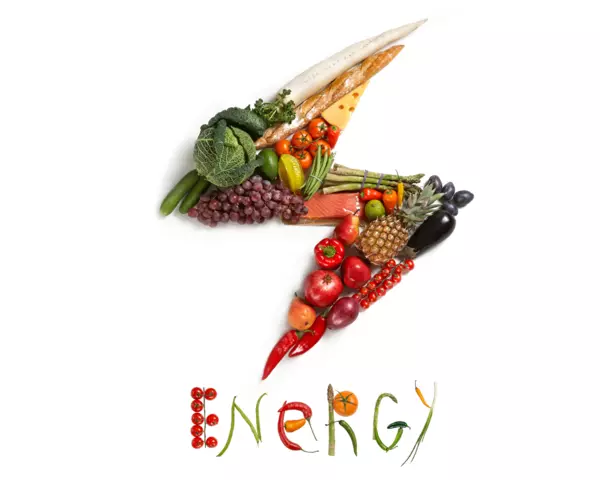
Sports nutrition
Strength you can eat
editorial.overview
What is sports nutrition?
Sports nutrition is a dietary approach specifically tailored to the needs of physically active people. It ensures the body is optimally supplied with nutrients before, during and after training to enhance performance, support recovery and prevent overuse injuries.
This includes not only proteins for building muscle mass, but also carbohydrates as an energy source, healthy fats, vitamins, minerals and adequate fluid intake. Targeted sports nutrition can make the difference between average and peak performance.
Which nutrients boost my athletic performance?
For optimal athletic performance, the body needs a targeted combination of vitamins, minerals and trace elements. The basics of a balanced sports diet therefore include macro- and micronutrients as well as strategic planning of food intake before, during and after training. Antioxidants such as vitamin C, E and beta-carotene protect cells from oxidative stress and strengthen the immune system. While vitamin C is mainly found in fruit and vegetables, vitamin E occurs in cold-pressed oils, cereals and nuts. Beta-carotene, converted into vitamin A in the body, is present in carrots, salmon and cheese.
B vitamins are essential for athletes because they play a key role in energy metabolism – especially for endurance athletes. High consumption of coffee or tea can increase the requirement for B vitamins. They are mainly found in leafy greens, legumes, dairy products, eggs, wholegrain products and in chicken and pork.
Magnesium is crucial for muscle and nerve function and regulates more than 300 enzymes in the body. It is particularly important for the cardiovascular system and is found in potatoes, nuts, bananas, legumes and dried fruit.
Iron is also indispensable as it supports oxygen transport and energy production in muscle cells. Runners in particular are at risk of so-called march haemolysis, where red blood cells are damaged by repetitive impacts. Iron-rich foods include whole grains, legumes, green vegetables and offal.
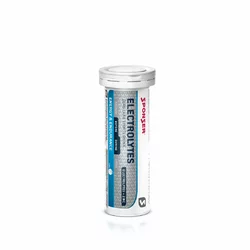
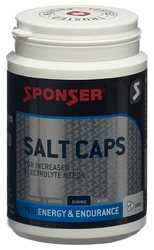
Calcium is essential for strong bones and optimal muscle contraction. Long-distance athletes should pay particular attention to adequate intake. Good sources are kale, hazelnuts, almonds and dairy products. Sodium and potassium are equally important as they regulate fluid balance and compensate for excessive electrolyte loss through heavy sweating. They are found in fruit, vegetables and salty foods.
Zinc also plays a central role as it supports the immune system and is an important cofactor of many enzymes involved in energy metabolism. Zinc is lost through sweating, which can impair athletic performance. Good zinc sources are eggs, cheese, red meat, offal, wholegrain products and green vegetables.

How many carbohydrates, fats and proteins are needed?
During sport, the body needs a balanced mix of carbohydrates, fats and proteins, as these are the main energy suppliers. The ideal macronutrient composition varies depending on the type and intensity of training.
Carbohydrates are especially important for athletic activities because they are quickly and efficiently metabolised in the muscles. They are the primary energy source and should make up around 50 to 60 % (up to 70 % max) of daily calorie intake. Wholegrain products, potatoes and fresh or frozen fruit and vegetables are particularly suitable because they provide energy as well as valuable vitamins and fibre.
Fats also play a decisive role, especially during longer efforts. They are increasingly used during endurance activities when carbohydrate stores gradually run low. Optimal fat intake is around 20–30% of daily calories. The balance between saturated, monounsaturated and polyunsaturated fatty acids should be well balanced. Important fat sources include vegetable oils, fatty fish such as salmon (rich in omega-3 and omega-6 fatty acids), nuts and seeds.
Proteins are essential for muscle building, recovery and immune system support. As muscle fibres are stressed during sport, adequate protein intake is particularly important. Depending on training goals, athletes should consume between 1 g and 1.8 g (up to 2.4 g maximum) of protein per kilogram of body weight per day. High-quality protein sources are eggs, meat, fish and plant-based alternatives such as soy and dairy, which have high biological value and are well utilised by the body.
For optimal performance, athletes should pay attention to a balanced distribution of macronutrients. Carbohydrates provide quick energy, fats support endurance, and proteins help build and repair muscles. Finding the right balance not only enhances athletic performance but also helps maintain long-term health and fitness.
What types of protein are used in sports nutrition?
Proteins play a central role in muscle growth, muscle repair and overall athletic performance. In addition to natural protein sources such as meat, fish and eggs, many athletes use protein supplements that deliver concentrated protein. There are different types of protein that vary by origin, absorption speed and intended use.
Whey protein (milk serum) is absorbed particularly quickly by the body and is therefore ideal for rapid recovery after training. It promotes muscle growth and regeneration and is often used in protein shakes after intense workouts.
Egg protein is derived from egg white (albumin) and is an excellent choice for people with lactose intolerance. It provides all essential amino acids and is digested moderately quickly, so it can be taken both before and after training.
As a plant-based alternative, soy protein is popular with vegetarians and vegans. It contains all necessary amino acids and supports muscle growth similarly to animal protein. It is also suitable for people with lactose intolerance and is more environmentally friendly.
Multi-component protein combines different protein sources (e.g. whey, casein and egg protein) with various absorption rates. This supplies the body with protein over several hours and is particularly suitable as a satiating snack.
Casein is a milk protein that is digested very slowly (over 7–8 hours). It is an ideal protein source before bedtime to supply the body with amino acids overnight and prevent muscle breakdown.
Besides protein powders, protein bars are a practical protein source on the go. They usually contain dairy protein (casein) as a main ingredient and thus supply the body with protein over a longer period. They are however less suitable for immediate consumption during training, as they are absorbed more slowly than whey protein.
Why are energy gels useful in sport?
Energy gels are a practical and effective energy source for athletes, especially during intense and prolonged efforts. They provide the body with highly concentrated carbohydrates that—depending on composition—are absorbed quickly or slowly. This combination allows both short-term performance boosts and the maintenance of endurance over longer periods.
In endurance sports such as cycling or marathon running, the body initially relies on carbohydrates from glycogen stores in muscles and liver. These stores are limited and can be depleted quickly during long efforts. This is where energy gels come in. They quickly replenish carbohydrate stores and thus prevent a drop in performance. Each gel supplies between 22 and 40 grams of carbohydrates, which help stabilise blood sugar and prevent fatigue.
Another advantage of energy gels is their practical handling. They can be consumed without interrupting training or competition and place less strain on the stomach than solid snacks like protein bars. Their gel-like consistency and small packaging make them easy to fit in a sports bag or jersey and provide quick energy without causing an uncomfortable feeling of fullness.
Many energy gels contain not only carbohydrates but also electrolytes, caffeine or nootropics. Electrolytes replenish important minerals lost through sweating and support fluid balance. Caffeine has a performance-enhancing effect and provides a mental energy boost, which can be especially helpful towards the end of a race. Nootropics enhance concentration and cognitive abilities, which can also improve athletic performance.
To acclimate the body to gels, athletes should test their use in training to avoid potential gastrointestinal complaints. Not every gel suits everyone, so it is worth trying different products. Some gels are also isotonic, i.e. they can be taken without additional fluid.
Sports nutrition: how to optimise your diet for performance and recovery
- Adapt your diet to your sport. Different sports require different nutritional strategies. While football players benefit from a carbohydrate-rich diet, strength athletes need increased protein intake. Find the optimal balance for your individual sporting goals.
- Use carbohydrates as the main energy source. About 50% of your daily calorie intake should come from high-quality carbohydrates. Wholegrain products, potatoes and fresh vegetables are ideal energy providers to maintain performance.
- Don't forget fats. They are important for energy supply during long training sessions. Around 20–30% of your calories should come from healthy fats such as nuts, avocados or fatty fish like salmon. Pay attention to a balanced ratio of omega-3 and omega-6 fatty acids.
- Rely on protein for muscle building and recovery. After exercise your body needs protein to repair and strengthen muscles. Consume between 1.2 and 2 g of protein per kilogram of body weight—sourced from lean meat, fish, eggs or plant-based alternatives like legumes and soy. Keep an eye on energy balance to prevent muscle loss and preserve long-term performance.
- Eat at the right time. Allow at least three hours between a large meal and exercise. Immediately before training a easily digestible meal like yoghurt with oats or a banana is suitable to top up energy stores.
- Avoid training on an empty stomach. A small portion of nuts or dark chocolate shortly before exercise can help stabilise blood sugar and prevent sudden hunger.
- Drink enough water. Even a fluid loss of 1% of your body weight can noticeably reduce performance. Drink regularly throughout the day—ideally 1.5 to 2 litres of water daily, more depending on sport intensity.
- Use isotonic drinks during training. During intense sessions isotonic drinks can be useful as they provide carbohydrates and electrolytes. A homemade mix of apple juice and water in a 1:1 ratio is a good alternative to expensive sports drinks.
- Use energy gels for long efforts. In endurance sports like cycling or marathon running, gels help keep blood sugar stable and prevent performance drops. Test different products to find your best match.
- Eat targeted protein after exercise. After training is the best time for a protein-rich meal to support muscle recovery. A protein shake, a bowl of cottage cheese or an omelette are ideal options.
- Watch your iron intake. Iron deficiency can lead to rapid fatigue and reduced performance. Eat iron-rich foods regularly such as leafy greens, beetroot, pumpkin, meat or legumes and combine them with vitamin C to improve absorption.
- Avoid sugar traps in seemingly healthy snacks. Many so-called healthy fitness bars or sports drinks contain hidden sugar. Check ingredient lists and prefer natural alternatives like homemade muesli bars or smoothies without added sugar.
- Don't rely solely on supplements. They can be useful but do not replace a healthy diet. With a balanced diet you already get most essential nutrients from natural foods. Before turning to protein powders, vitamins or amino acids, review your diet and adjust it if necessary.
Mindful sports nutrition is the key to better performance, improved recovery and long-term health. Sports medicine emphasises that a targeted nutritional strategy not only enhances performance but can also prevent injuries and shorten recovery times. With a strategically planned diet you support not only your muscles and endurance but also your overall physical and mental fitness.