

Anti-Cellulite Meal Plan
Good food helps against this women’s issue
Cellulite: Where does orange-peel skin come from?
Cellulite, often called orange-peel skin, is a harmless skin change that mainly affects women. It is caused by a weakening of the connective tissue that supports the fat tissue under the skin. This weakening allows fat cells to push through the tissue and create visible dimples and indentations.
It most commonly appears on the thighs, hips, buttocks, abdomen and upper arms, because these areas tend to store more fat as an energy reserve.
Hormonal changes, a high body fat percentage, stress, poor diet and lack of exercise promote the development of cellulite. Unhealthy habits such as excessive consumption of coffee, nicotine and alcohol worsen the condition of the connective tissue and make it less stable.
Fibroblasts, which are responsible for producing firming collagen and elastin, also suffer from an unhealthy lifestyle and contribute to the formation of dimples.
Why are almost only women affected by cellulite?
Cellulite mainly affects women because their connective tissue is structured differently than that of men. In women it is looser and oriented vertically, so fat cells can protrude between the connective tissue strands and form the typical dimples. This change often first appears during puberty and is promoted by the female hormone estrogen.
In contrast, men's connective tissue is more compact and structured like a dense network with vertical and horizontal strands. This structure holds fat cells together more effectively, making men's skin appear smoother and firmer. That is why men are less frequently affected by cellulite.
Can a healthy diet help reduce cellulite?
A healthy diet can help improve the condition of the skin, although it does not change genetic predisposition or the structure of the connective tissue.
Overweight increases the appearance of cellulite because excess fat pushes the dimples outward more strongly. Through a healthy diet and weight reduction, fat deposits can be reduced and dimples made less visible. A long-term change in eating habits and avoiding crash diets is important, as the yo-yo effect can worsen cellulite.
A balanced diet provides the skin with important vitamins and minerals. Vegetables in particular are rich in these nutrients and should make up a large part of daily food intake. For example, vitamin E protects cells from damage, while vitamin A supports skin renewal and helps maintain a healthy skin structure.
Nutrient-dense foods promote a healthy metabolism, which is crucial for skin health. An active metabolism supports the production of collagen and hyaluronic acid, which are necessary for plump, elastic skin.
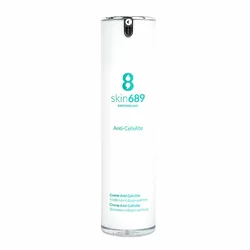
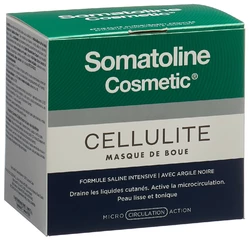
How often should anti-cellulite products be used?
Anti-cellulite products should be applied regularly to achieve the best results. Most products recommend applying them once or twice daily. This is because cellulite requires continuous treatment to firm the skin and improve its appearance.
When applying daily, it is important to apply the product thoroughly and evenly to the affected areas and to massage gently. Problem areas such as the thighs, buttocks and abdomen should be treated specifically. Many anti-cellulite products contain active ingredients that promote circulation, strengthen the supporting tissue and improve skin texture.
In addition to using anti-cellulite products, other measures such as a healthy diet, regular exercise and adequate fluid intake should be considered to achieve optimal results.
Diet and cellulite: what should you avoid?
To fight cellulite, it is important to avoid certain foods that weaken the tissue and can increase the appearance of orange-peel skin.
Sodas and fruit juices contain a lot of sugar, which promotes collagen breakdown and fuels inflammatory processes in the body. Instead, drink water or unsweetened tea.
Regular alcohol consumption can promote cellulite because it encourages water retention and damages the body's natural collagen. In addition, alcohol inhibits fat burning. It is better to limit consumption.
Biscuits, gummy sweets and other confectionery cause sharp spikes in insulin, which promote inflammation and deplete minerals such as calcium and magnesium. These foods should be avoided where possible.
Foods such as white pasta, bread and pastries lead to a rapid rise in blood sugar and are stored by the body as fat. Wholegrain products are the better choice because they raise blood sugar more slowly and keep you feeling full for longer.
Cottage cheese and processed dairy products often contain a lot of table salt, which worsens circulation and promotes water retention. Coffee has vasoconstrictive properties that can impair blood circulation. One cup a day is fine, but excessive consumption should be avoided.
Cold cuts, salty snacks, pizza and fried foods contain large amounts of salt, sugar and fat. These have negative effects on blood vessels, promote fat accumulation and weaken connective tissue.
A healthy diet that avoids these foods can help improve the appearance of cellulite and strengthen skin structure.
Cellulite: how food and drink can help
- Include eggs in your diet. Eggs are rich in zinc, which is important for collagen production. Collagen strengthens connective tissue and can help reduce the appearance of cellulite.
- Enjoy citrus fruits. Oranges, grapefruits and kiwis are rich in vitamin C, which stimulates collagen production. These fruits help fight free radicals and firm the skin.
- Use avocado. They can help reduce cellulite because they contain potassium, which helps the body eliminate excess water. However, avocados are also calorie-dense. To benefit from them without consuming too many calories, eat them in moderation. Avocado oil is also a good alternative, offering similar benefits and versatile use in small amounts.
- Try bone broth. Bone broth contains collagen released from bones during cooking. This protein strengthens connective tissue and can help firm the skin. You can drink the broth plain or use it as a base for sauces.
- Incorporate salmon into your diet. Salmon is rich in omega-3 fatty acids, which hydrate the skin and support collagen production. These healthy fats strengthen skin structure and protect against bacterial damage.
- Eat spinach. Spinach contains vitamin A, which is important for the formation of new skin cells. Spinach also contains antioxidants that help regulate blood sugar and can improve skin condition.
- Use flaxseeds. Flaxseeds are rich in lignans, which contain phytoestrogens. These help stabilise estrogen levels, which is particularly important for preventing cellulite. One teaspoon a day is sufficient.
- Season with cayenne pepper. It contains capsaicin, which stimulates metabolism and improves circulation. This can reduce fluid accumulation in the tissues.
- Avoid sugary drinks. Drinks such as cola and juices promote collagen breakdown and inflammatory processes in the body. Water and unsweetened tea are better alternatives.
- Add tomatoes to your diet. Tomatoes are rich in lycopene, an antioxidant that improves circulation. Lycopene protects the skin from free radicals and promotes the formation of new skin cells.
- Take advantage of pumpkin. It is rich in vitamin A and antioxidants that contribute to skin renewal and can improve skin appearance. It is also a healthy, nutrient-rich addition to your diet.
- Drink green tea. It contains antioxidants such as catechins, which boost metabolism and promote fat burning. This can help reduce cellulite.
An anti-cellulite meal plan rich in antioxidants, healthy fats and fibre can improve the appearance of cellulite. Fresh, unprocessed foods and adequate hydration support skin health and promote healthy body function. Alongside diet, regular exercise and a healthy lifestyle also play an important role.