
Cellulite
When small waves become a problem
editorial.overview
Definition of cellulite: What is orange-peel skin?
Cellulite, commonly called orange-peel skin, occurs when enlarged fat cells accumulate under the skin and are no longer held in place by the subcutaneous connective tissue. This area, the subcutaneous fat layer, normally serves as an energy reserve and cushion, but structural changes can lead to visible dimpling. Women are particularly affected – partly due to a natural weakness of the connective tissue and partly under the influence of the hormone estrogen. Estrogen promotes storage of depot fat on the thighs and buttocks and causes fat-storing cells to become larger than in the male population.

Where does cellulite come from?
The causes are varied, but they mainly lie in individual predisposition. Many women are born with a genetic tendency to weaker connective tissue. If the structure of the connective tissue is less stable, fat cells can protrude more easily, producing the characteristic dimples on thighs, buttocks or hips.
Besides genetics, hormones play an important role. Estrogens and progestogens promote fat storage and influence fat cell size, which can grow up to ten times their original volume over time.
Lifestyle also affects the development and severity of cellulite. Lack of exercise leads to a decrease in muscle mass, making tissue appear less firm. An unhealthy, fatty and salty diet can promote water retention in the fat tissue, which intensifies the dimpling. Another risk factor is smoking. Nicotine constricts blood vessels, worsens circulation and further weakens connective tissue – ideal conditions for cellulite.
Interestingly, cellulite is not purely a problem of excess weight. Slim women can be affected too. Although the appearance often increases with weight gain, its occurrence is not necessarily linked to body weight.
What can make orange-peel skin worse?
Even if the tendency to cellulite is often genetic, there are factors that can significantly worsen the skin’s condition. Lifestyle plays a central role here. Overweight, for instance, enlarges fat cells – and the bigger they are, the more they press on the connective tissue, amplifying visible dimples.
Lack of exercise also has a negative effect. If muscles are too weak, the tissue lacks important support – the skin surface looks flabbier and cellulite becomes more pronounced. Persistent low blood pressure (hypotension) can also be problematic because it impairs circulation. Poor circulation means fewer nutrients and less oxygen reach the tissue – the skin loses elasticity. In addition, the body’s production of collagen and elastin is inhibited, further weakening connective tissue.
Venous disease or other circulatory disorders amplify this effect. Hormonal changes – such as during puberty, pregnancy or menopause – also play a role. They influence connective tissue and fat distribution in the body and can encourage or worsen cellulite.
Do slimmer women have less cellulite than overweight women?
At first glance it seems logical: less fat means less cellulite – right? It’s not that simple. Cellulite is only partly related to weight. The real trigger lies deeper, specifically in the connective tissue.
In women it is naturally looser than in men. The connective tissue runs parallel so it can stretch during pregnancy, but this also makes the skin more prone to dimpling. Also, women’s skin is thinner and they have almost twice as many fat cells as men. All this means that fat cells can push through the weak connective tissue regardless of body weight.
That is why even very slim and athletic women can have visible cellulite, while overweight women may be hardly affected. Much depends simply on genetic predisposition. Those with weak connective tissue often show it at a young age – and independently of body fat percentage.
The issue is not the fat per se, but the structure of the connective tissue. Therefore, both slim and curvy women can be affected – cellulite knows no clothing size.
Do anti‑cellulite creams make sense?
The answer is: yes and no. Many of these products do contain active ingredients such as caffeine, retinol or aminophylline – substances that in laboratory experiments can stimulate fat breakdown or strengthen connective tissue. That sounds promising, but there is a catch. Most products contain these substances only in very low concentrations, far from the amounts used in scientific studies. Also, the problem with cellulite lies deep in the skin – deeper than most creams can penetrate.
Independent studies have shown that both active creams and placebos can improve the appearance of cellulite. This means the placebo effect is important here – the regular application and massage stimulate circulation and can make the skin appear smoother.
Some ingredients like retinol (vitamin A acid) show slight improvements with consistent use over several months – provided they are dosed high enough. Retinol can stimulate collagen formation and strengthen connective tissue. However, this effect is not yet conclusively proven scientifically.
Anti‑cellulite creams can improve skin condition when combined with massage and a healthy lifestyle, but one should not expect miracles. Completely removing cellulite with creams remains, for now, a hopeful dream.
Does drinking a lot of water help against cellulite?
On its own it is not a miracle cure for orange‑peel skin, but it can be supportive. Adequate fluid intake promotes circulation and the removal of toxins via the lymphatic and urinary systems. This can be helpful, especially for water‑related cellulite – where fluid accumulates. It also slightly stimulates metabolism, which, combined with mindful eating and exercise, supports fat loss. Studies have even shown that people who drink a large glass of water before each meal often eat less and lose weight over time – which can indirectly reduce the appearance of cellulite.
However, the typical dimples on thighs, abdomen and buttocks arise from deep structural changes in the connective tissue – and water does not reach there in a targeted way. It does not shrink fat cells nor change tissue structure.
Cellulite treatment – what methods are available?
Because visible dimpling on the buttocks or hips is often viewed as an aesthetic flaw, a wide range of treatment methods has developed in recent years – from gentle approaches to high‑tech procedures.
A popular method is cryolipolysis. Fat cells are targeted with cold until they fall below freezing point. The affected cells die and are gradually removed by the body. The result is firmer skin as the connective tissue tightens. The advantage: the method is relatively painless, non‑invasive and requires no downtime.
The so‑called fat‑dissolving injection – an injectable lipolysis – is also gaining popularity. An active compound is injected directly into stubborn fat deposits that are hard to reach by diet or exercise. The body slowly breaks down the destroyed fat cells. This method is especially effective when combined with nutritional plans or other procedures like cryolipolysis.
Mesotherapy focuses on targeted strengthening of connective tissue. With fine needles, active substances are delivered into deeper skin layers to stimulate the formation of new connective fibres. This naturally firms and smooths the skin without major surgery.
Technologically advanced is the Sofwave treatment, where focused ultrasound waves penetrate deep into the skin. There they stimulate collagen production, improving skin elasticity and giving a firmer appearance. Usually one treatment is enough to see initial visible results.
For particularly pronounced cellulite, liposuction may also be considered. Contrary to common belief, it is not intended for weight reduction but for targeted removal of deep fat deposits. At the same time, the skin is tightened and the silhouette harmonised. It is important, however, that this method is always combined with a healthy lifestyle to remain effective long term.
Are there side effects associated with cellulite treatments?
As with any aesthetic treatment, side effects are possible in cellulite therapy – the type and intensity depend strongly on the chosen method.
Non‑invasive procedures like cryolipolysis or Sofwave are considered especially gentle. They usually cause no pain, require no downtime and allow patients to return to daily life immediately. Mesotherapy, which gently injects active substances into the skin, is also described as well tolerated – most people feel only slight pulling or tingling.
Minimally invasive procedures such as the fat‑dissolving injection can be a bit more intense. Short‑term redness, swelling, bruising or a pressure sensation in the treated area may occur. These reactions are generally harmless and subside within a few days. It is important to follow medical after‑care advice to avoid complications.
With surgical interventions such as liposuction, side effects are somewhat more pronounced. Typical signs are swelling, bruising or a slight tension that eases with wound healing. Despite the procedure, many patients are able to resume work and sports within a few days.
Overall, modern cellulite treatments are, when performed correctly, generally well tolerated. A thorough consultation beforehand is crucial to find the individually suitable method and properly assess possible risks.
Treating cellulite: how to support your skin day‑to‑day
- Massage regularly – but thoughtfully. Gentle massages promote lymphatic drainage and can temporarily improve skin appearance. It’s important to use gentle techniques – overly vigorous brushing can damage the skin. Targeted lymphatic drainage or manual kneading of the skin can be very effective.
- Use contrast showers for firmer skin. Alternating cold and warm stimuli boost circulation and stimulate metabolism. Shower from bottom to top, warm first, then cold – finish with cold water. Three repetitions deliver the best effect.
- Pay attention to your diet. Eating little sugar, refined flour and unhealthy fats can help prevent cellulite. Alkaline foods like fruit, vegetables and whole grains help cleanse the tissue. Avoid very salty foods – they promote water retention.
- Move regularly – ideally in water. Exercise is essential to improve circulation and lymph flow. Water gymnastics is especially effective. The pressure of the water acts like a massage while supporting fat loss.
- Drink enough – at least 1.5 to 2 litres daily. Water helps flush toxins and excess fats from the body. Good hydration also supports skin elasticity and makes it look plumper.
- Avoid radical diets. Rapid weight loss from crash diets causes connective tissue to sag. The risk of cellulite can even increase. Prefer long‑term, healthy nutritional concepts.
- Use body scrubs for smoother skin. Regular exfoliation removes dead skin cells and stimulates microcirculation. The skin looks fresher and firmer – especially in problem areas like thighs or buttocks.
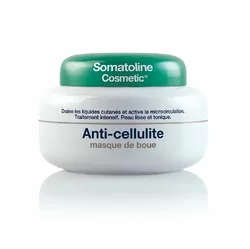
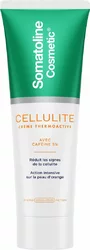
- Choose anti‑cellulite creams with targeted actives. They won’t eliminate cellulite alone, but ingredients such as caffeine, L‑carnitine or horse chestnut can promote microcirculation and strengthen connective tissue – particularly when combined with massage.
- Avoid alcohol and nicotine where possible. Both worsen circulation and skin metabolism. Nicotine constricts vessels, alcohol burdens the metabolism – and both can visibly worsen cellulite.
- Build muscle deliberately. Strong musculature firms the tissue and reduces visible dimples. Effective exercises include squats, wall sits or bridges – they strengthen the buttocks and thighs, the most commonly affected zones.
- Supplement your training with fascia rolling. Fascia are connective tissue strands that can be trained deliberately. Stretching and rolling the muscles improve elasticity and can positively affect skin appearance.
- Visit the sauna regularly. Heat stimulates circulation, promotes detoxification and can temporarily firm tissue. Sauna sessions also relax muscles and enhance general wellbeing.
- Learn to view your skin with more self‑love. Cellulite is not a disease but a natural phenomenon – especially in women. Even if you take measures to improve it, don’t let unrealistic beauty ideals put you under pressure. Your skin tells your story – and it’s allowed to show traces.
Cellulite is a natural skin pattern that occurs in many women and does not constitute a medical condition. Various factors such as hormones, heredity and weak connective tissue structure contribute to its development. However, with regular exercise, balanced nutrition, suitable care and modern treatment options, skin appearance can be positively influenced.