Arginine
The acid with remarkable properties
What is arginine?
Arginine is an essential amino acid for the body and an important building block of proteins. Since the body can produce part of it itself, it is classified as one of the semi-essential amino acids. In certain life stages or under particular circumstances, e.g. during increased physical stress or illness, the body's needs can exceed its own production, making additional intake through food necessary.
One distinctive feature of arginine is its high nitrogen content, which makes it important for many biological processes. Arginine serves as a precursor for various metabolic products that contribute to cell regeneration, immune system function and protein synthesis. In addition, arginine is involved in the formation of molecules that are necessary for growth, tissue repair and the function of certain cells.
Chemically, arginine occurs in different forms, but for the human body only the so-called L-arginine is relevant. The prefix “L” describes the special spatial structure of the amino acid that is necessary for metabolism. The mirror-image D-arginine, on the other hand, cannot be utilised by the body. In scientific texts or product descriptions people often use the term “arginine”, although L-arginine is always meant.
How does arginine work in the body?
Arginine plays a key role in various bodily functions. It is essential for muscle building, as it is part of muscle tissue and promotes the production of nitric oxide (NO), which dilates blood vessels and improves blood flow. This supports performance and recovery, especially before training, and increases physical endurance.
For sexual health, arginine contributes to better blood flow in the genital area. In men it supports the function of the erectile tissues; in women it promotes blood flow to the reproductive organs, which can have a positive effect on hormone balance and fertility.
Arginine also has a vasodilating effect that helps regulate blood pressure and can reduce the risk of cardiovascular disease. People with high blood pressure particularly benefit from this effect because it improves vascular function.
In older age arginine strengthens the immune system and supports important organs such as the heart, liver and kidneys. This can help counteract age-related health issues. Arginine is also relevant for athletes, as a deficiency during intense training phases can impair performance. Targeted intake increases endurance and promotes muscle growth, since arginine is involved in creatine synthesis, which is needed for muscle energy supply.
In addition, arginine supports glucose metabolism by promoting insulin release, which can improve insulin sensitivity and be beneficial in diabetes. It also contributes to wound healing, which can accelerate recovery, especially after surgery or intense physical exertion.
What benefits does arginine have for the skin?
Arginine offers many benefits for the skin and is therefore used in many skincare products. One of its most important properties is supporting skin structure. Arginine stimulates the production of collagen and elastin, leading to firmer and more elastic skin. This effect helps reduce signs of skin ageing and improve overall skin appearance. In mature skin, arginine can help reduce the appearance of wrinkles and sagging.
Arginine also has an antioxidant effect that protects the skin from damage caused by free radicals. These are mainly generated by UV radiation, pollution and other environmental factors that can damage the skin and contribute to premature ageing. Arginine supports the formation of protective molecules such as glutathione, which neutralise oxidative stress and help preserve the skin from long-term damage.
Another benefit of arginine is its ability to provide moisture. It binds water in the skin, which is particularly helpful for dry skin. Through these moisturizing properties arginine helps hydrate the skin, strengthen the skin barrier and protect the skin from drying out. This results in a well‑cared‑for and healthy complexion.
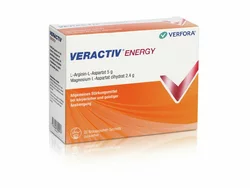
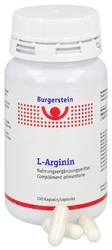
Which is better: arginine or citrulline?
The choice between arginine and citrulline depends on individual goals and needs, especially regarding training and overall health. Both amino acids increase nitric oxide production, which dilates blood vessels and improves blood flow. However, they work in different ways, which makes their combined use particularly advantageous.
Arginine acts quickly because it directly produces nitric oxide. It is ideal for an immediate improvement in circulation and a rapid performance boost, but its effect lasts only a few hours. Citrulline is converted to arginine in the body, giving it a delayed but longer‑lasting effect. It can prolong arginine's action and slow its breakdown, supporting recovery and training effects.
The combination of the two amino acids provides a sustained increase in nitric oxide production and optimises blood circulation during training and recovery afterwards. This combination is particularly suitable for performance enhancement and minimising muscle soreness. In health conditions such as hypertension or erectile dysfunction, arginine and citrulline can also improve circulation and have a positive impact on health.
Are there side effects with arginine?
Arginine is used for various health‑promoting purposes, but excessive intake can also cause adverse effects. The most common side effects include gastrointestinal complaints such as nausea, bloating, diarrhoea and abdominal pain. These often occur at high doses or when taken on an empty stomach and can be mitigated by lowering the dose or taking it with a meal.
Arginine can also lower blood pressure, which can be problematic for people who already have low blood pressure. In some cases users report palpitations or irregular heartbeat after taking it. High dosages can also affect electrolyte balance, potentially causing an increase in potassium levels (hyperkalaemia) or a decrease in phosphate levels (hypophosphataemia), which in turn raises the risk of heart rhythm disturbances or muscle problems.
People with kidney problems are also at risk because high arginine intake can strain the kidneys and lead to elevated creatinine levels, which indicate a deterioration in kidney function. Allergic reactions such as rash, itching or, in severe cases, breathing difficulties may also occur and require medical attention.
Arginine can interact with various medications, particularly antihypertensives, anticoagulants or drugs for treating heart disease. Combined use may potentiate the effects of these medicines and lead to health issues.
How to benefit from arginine: useful tips
- The exact requirement for arginine is not known because the body produces it as needed. The optimal average dietary intake of arginine is estimated at 2 to 6 g per day.
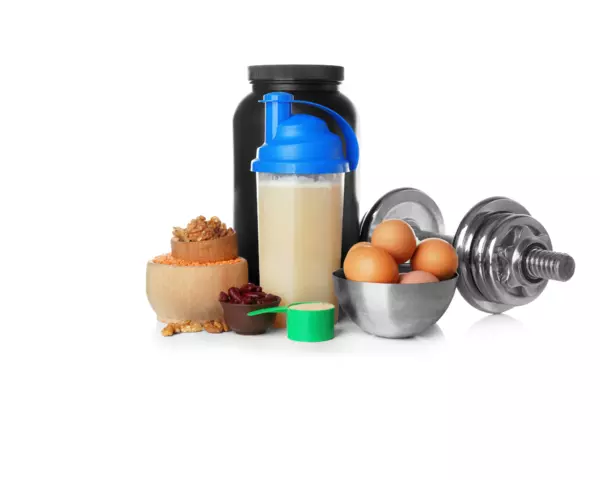
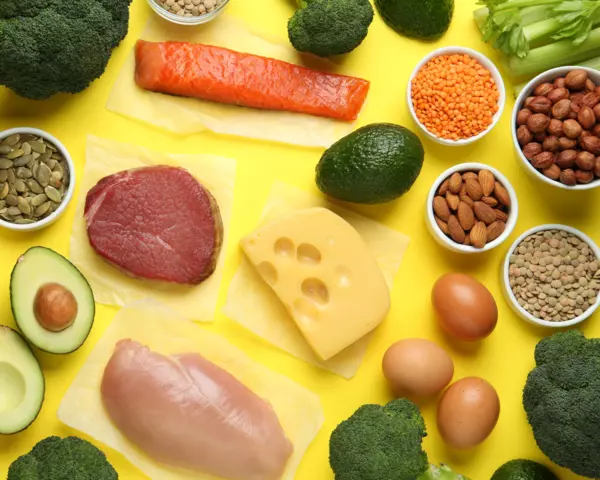
- Maintain a balanced diet and eat foods rich in arginine: pumpkin seeds, peanuts, almonds, hazelnuts, legumes, gelatine, prawns, beef and eggs are good sources. Note that arginine content decreases during processing, e.g. when cooking, and that increased consumption of energy‑dense nuts and seeds can lead to significant weight gain.
- In case of deficiency or to meet increased needs, dietary supplements with at least 3 g of arginine can be taken in addition to the recommended dietary intake.
- Alternatively, capsules as dietary supplements can be purchased at the pharmacy to optimise the amount and effectiveness of intake. For better absorption they should be taken between meals and the total dose distributed throughout the day.
- Take them with adequate fluids. Suitable options are water, juices or low‑fat milk.
- For cardiovascular diseases, a combination with vitamins B6, B12 and folic acid is sensible to support the breakdown of vessel‑damaging homocysteine.
- To lower blood pressure, a daily intake of 2 to 6 g arginine is recommended.
- For potency enhancement, a daily intake of 5 g arginine is recommended. In combination with pine bark extract, lower arginine doses are also effective: 0.7 to 1.7 g arginine and 0.4 to 0.6 g pine bark extract for up to three months improve potency.
- For atherosclerosis, 2 to 6 g arginine per day are recommended. In cases of severe atherosclerosis or after a heart attack, arginine intake should definitely be discussed with a physician.
- As supplements, L-arginine base and L-arginine hydrochloride are offered. Arginine base consists of pure L-arginine with a purity of 98 to 100%, is basic, better tolerated and highly water‑soluble, but has an acquired taste and smell and a soapy consistency. Arginine hydrochloride contains only 70 to 80% arginine, has an acidic pH, but dissolves faster, is more neutral in taste and smell and is less expensive.
- Herpes viruses depend on arginine for replication. For this reason, taking arginine in cases of recurrent herpes infections is not advisable. It can activate dormant viruses and trigger an outbreak.
- Arginine may support erectile function but is not a substitute for potency drugs. In cases of erectile weakness and dysfunction, a healthy lifestyle helps to improve effectiveness and the range of treatment.
- There are insufficient data on arginine intake during pregnancy and breastfeeding. Therefore, it is not recommended to take it during these periods without medical supervision.
Arginine contributes to improved circulation and recovery after physical exertion. Its versatile properties make it a valuable component for promoting health and performance.