

L-Glutamine
The secret booster for your muscles
What is L-glutamine?
L-glutamine is a semi-essential amino acid that can be obtained from food and also produced by the body. Its concentration in blood plasma is higher than that of any other free amino acid, and muscle tissue in particular contains large amounts. Although the body can synthesise L-glutamine, requirements increase in certain situations such as illness, stress or intense physical exertion, so endogenous production may not always be sufficient. In these cases, additional intake from food or supplements can be beneficial.
In food, L-glutamine is not present in a free form but is bound to proteins. Another characteristic of L-glutamine is its close relationship with glutamic acid, with which it can be interconverted in the body. Both play important roles in metabolism and are essential components of proteins.
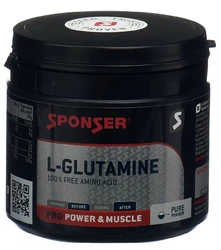


What does L-glutamine do in the body?
L-glutamine fulfils a central role in the body and is involved in many vital processes. This amino acid is particularly important for energy supply, as it contributes to glucose production in the liver and thus serves as an energy source in the citric acid cycle. Glutamine is also an essential energy source for immune cells, which require increased amounts during an active immune response. When the immune system is heavily challenged, the body may draw on additional glutamine sources such as muscle tissue.
Glutamine is especially necessary for the function of mucous membranes in the body, including the gastrointestinal lining. It supports the production of secretory IgA, an antibody that helps defend against pathogens. In addition, glutamine plays a role in regulating the acid-base balance by binding excess hydrogen ions and stabilising pH.
In muscle physiology too, L-glutamine plays a decisive role. It promotes muscle growth and is the most abundant amino acid in muscle tissue. During intense physical activity, glutamine levels can fall, leading to delayed muscle recovery. Adequate intake is therefore particularly relevant for athletes to avoid muscle breakdown and weakened immune defence.
L-glutamine is also crucial for the production of glutathione, an important antioxidant and detoxifier. In situations of stress or illness, when the body relies heavily on glutamine, supplementation can help support glutathione production and the removal of toxic substances from the body.
Furthermore, glutamine is an essential building block for the formation of nucleic acids (DNA and RNA) and supports cell renewal. Rapidly dividing cells such as those of the immune system or the intestinal lining require large amounts of glutamine. During prolonged strain such as chronic illness or intense training phases, glutamine demand can increase significantly, underlining the potential need for supplementation.
What damage can a glutamine deficiency cause?
A glutamine deficiency can lead to a variety of health problems, as this amino acid is indispensable for many vital tasks in the body. Primarily, a deficiency can weaken the immune system, since glutamine plays a central role in immune cell function. This increases susceptibility to infections and illness. Glutamine also supports muscle metabolism, and a deficiency can cause muscle wasting, reduced muscle strength and faster fatigue. Wound healing is also impaired because glutamine is involved in cell proliferation and tissue growth, so injuries and surgical procedures heal more slowly.
A glutamine deficiency can also negatively affect the gastrointestinal tract. Glutamine is an important energy source for cells of the digestive system and contributes to the integrity of the intestinal lining. Its absence can lead to gastrointestinal complaints such as diarrhoea and inflammatory bowel conditions. Neurological symptoms such as poor concentration, irritability and reduced mental performance are also common consequences of glutamine deficiency, as the amino acid is involved in neurotransmitter synthesis. In addition, the body may respond with increased sensitivity to stress, since glutamine helps to mitigate the effects of psychological and physical stress.
Certain groups are particularly at risk of developing a glutamine deficiency, e.g. people with chronic illnesses, competitive athletes, patients after surgery or those undergoing chemotherapy. The deficiency can be diagnosed by blood tests and is usually correctable by supplementation to avoid negative health outcomes.
Does L-glutamine have side effects?
Although L-glutamine is generally well tolerated, side effects can occur in some cases, particularly when taken as a supplement. The most common side effects include gastrointestinal complaints such as bloating, abdominal pain, diarrhoea or nausea. It is advisable to increase the dose gradually to avoid possible intolerances. In rare cases, overdose can cause tingling, trembling of the fingers, headaches or more severe symptoms such as nausea, vomiting, constipation or even intestinal obstruction.
Another risk is possible interactions with certain medications, especially immunosuppressants. People who take medication regularly should consult their doctor before using L-glutamine. People with metabolic disorders or kidney problems should also be cautious and seek medical advice beforehand.
High intake of L-glutamine can also lead to overdose. Therefore it is necessary to adhere strictly to the recommended dosage. In extreme cases, serious side effects such as liver toxicity and a reduction in red blood cells can occur, requiring regular medical visits and blood tests.
How should L-glutamine be taken?
Taking L-glutamine depends on various factors such as individual needs and the purpose of use. In general, a dose of about 5 to 10 grams per day is recommended to support health. However, if L-glutamine is used to support intense training or for health reasons, a higher dosage of up to 20 grams per day may be appropriate.
It is advisable to spread the dose over the day to ensure a constant glutamine level in the body. A common approach is to take one dose in the morning and one in the evening or to distribute it evenly across several intakes.
Many athletes prefer taking L-glutamine before training to promote muscle recovery and reduce muscle breakdown. Post-workout intake can also be beneficial as glutamine supports muscle building. Taking it on an empty stomach, especially in the morning or before bedtime, can optimise absorption and utilisation of L-glutamine.
L-glutamine is available in different forms, with powder being particularly advantageous when precise dosing is required, especially for larger amounts. Capsules are a good choice for those who do not want to measure doses and prefer a more convenient intake. For optimal effect, L-glutamine can also be taken in combination with other nutrients such as vitamin C and omega-3 fatty acids. These complement the positive effects of L-glutamine and support, among other things, the immune system and cardiovascular protection.
These foods provide you with glutamine: useful tips
- Regularly include dairy products such as quark, yoghurt and milk in your diet. These products are not only a good source of glutamine but also provide calcium and other nutrients important for bone health.
- Wheat products such as bread and pasta contain glutamine and can be easily incorporated into your diet. Make sure to choose whole-grain products, as they provide valuable fibre and vitamins in addition to glutamine.
- Legumes are an excellent plant-based protein source and rich in glutamine. Try to eat them regularly, e.g. in salads, stews or as a side dish to main courses to increase your daily glutamine intake.
- If you eat meat, choose beef, as it contains not only glutamine but also valuable iron and B vitamins. A lean cut of beef is ideal to support muscle recovery.
- One to two portions of sea fish per week are recommended to obtain both glutamine and essential fatty acids.
- Asparagus is a tasty vegetable that contains glutamine. Try asparagus as a side dish to meat or in salads.
- Peanuts are not only a tasty snack but also a simple source of glutamine. They can be eaten raw, roasted or as peanut butter.
- Spirulina, an algae, is particularly rich in glutamine and works well in smoothies or as an addition to your morning drink.
- Include oats in your breakfast. Combine them with fruit, nuts or yoghurt for a balanced meal.
- Soya and soya products such as tofu and tempeh are excellent glutamine providers, especially for vegetarians and vegans.
- Avoid cooking glutamine-rich foods in extremely hot liquids, as glutamine is heat-sensitive. Cook foods gently or eat them raw to preserve the nutrients.
L-glutamine contributes significantly to the body's regeneration and supports both the immune system and gut health. Due to its versatile effects, it is a valuable addition for increased well-being and vitality.