

Lysine
This essential amino acid you should include in your diet
What is lysine?
Lysine is an essential amino acid necessary for maintaining bodily functions and plays an important role in all growth processes of our organism. This amino acid is crucially involved in the formation of proteins and enzymes in the body.
Among the 21 amino acids that make up proteins, lysine is one of the essential building blocks. Because the body cannot synthesise lysine, it must be obtained through food. The lysine that naturally occurs in proteins has a specific structure, often referred to as "L‑lysine" . When people mention “lysine”, they usually mean “L‑lysine”.
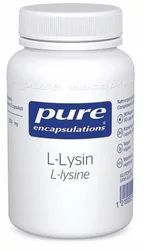
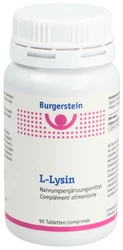
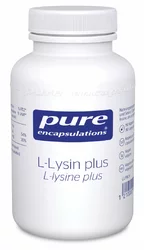
How does lysine work?
The mode of action of lysine is highly versatile and contributes to various aspects of health. As an important component of proteins, this amino acid plays a key role in the formation of elastin and collagen in the connective tissue. These structural proteins are largely responsible for the elasticity of tissues and provide strength to skin, tendons and bones as well as flexibility to blood vessels.
A sufficient lysine supply combined with regular exercise supports the build-up of muscle mass and slows down or helps prevent the formation of cellulite. Lysine is also essential for the deposition of calcium in bones and teeth, contributing to their stability.
Furthermore, lysine plays an important role in wound healing and has anti-inflammatory properties. A balanced level of lysine together with vitamin C, magnesium, zinc and arginine strengthens the functions of the immune system. Lysine can also inhibit the replication of herpes viruses.
This amino acid is believed to help with weight loss, relieve sleep disorders and support mental health. The supportive use of amino acids in cancer treatment is also under discussion.
A deficiency in L‑lysine can cause a variety of symptoms that may present as different complaints. The most common symptoms include growth retardation in children, a lack of collagen in the body visible in various tissues, and weakened immune defence leading to increased infections. Other possible signs are nausea, fatigue, difficulty concentrating, reduced performance, eye redness, hair loss, increased susceptibility to infections and impaired protein synthesis.
How is lysine produced?
Lysine, an essential amino acid, is produced by fermentation of microorganisms, usually in the form of L‑lysine (the D form is not biologically utilizable by animals). These microorganisms are fed in fermenters with molasses, sugar, starchy products and nitrogen sources as a nutrient base. The pure amino acid lysine is then separated through various processing steps and finally appears as L‑lysine monohydrochloride, consisting of at least 78% L‑lysine. The amino acid obtained in this way is used as a feed additive to enrich lysine-poor plant feed proteins.
How long should you take lysine?
There are no fixed guidelines for L‑lysine intake, as the requirement depends on individual body weight. In general, a healthy adult needs about 38 mg of this amino acid per kilogram of body weight. For a body weight of 70 kilograms, this corresponds to a daily requirement of approximately 2.7 grams. Infants and children have increased needs for L‑lysine due to growth.
The main source of lysine is animal protein. Foods such as meat, fish, eggs and dairy products provide sufficient amounts of this amino acid. Lysine is also present in smaller amounts in grains, legumes and nutritional yeast. For healthy adults, a daily intake of 3 grams of L‑lysine is considered safe and free of side effects.
Vegans, who avoid animal products, often need to rely on lysine supplements to meet their requirements. When used as a dietary supplement, most preparations contain between 0.5 and 5 grams of this substance.
How much lysine for herpes?
As early as 1952 it was discovered that a high lysine concentration inhibits the growth of the Herpes simplex virus (HSV). Studies show that a daily intake of 3000 mg of L‑lysine can reduce the occurrence of cold sores and alleviate symptoms such as itching and blistering.
The targeted intake of high‑dose L‑lysine in capsule form can therefore be a supportive measure in the dietary management of cold sores. The capsules are easy to integrate into everyday life and can help relieve cold sore symptoms or even prevent outbreaks.
How to use lysine safely and effectively: important tips
- Observe a balanced dosage of L‑lysine to avoid possible side effects. Excessive intake can lead to unwanted effects.
- Do not exceed the recommended daily dose of 3 g to ensure a safe and effective use of L‑lysine.
- Choose a high‑quality product to ensure its purity and quality.
- Be aware of interactions with other medicines. Some drugs can interact with L‑lysine. Therefore, it is important to check with your doctor or pharmacist whether it is safe to take it together with other medications.
- Combine lysine with a balanced diet rich in protein sources. This can meet the need for L‑lysine and support the effectiveness of the supplement.
- Store lysine products in a cool, dry place, away from direct sunlight and moisture.
- If you experience stomach discomfort, take lysine during or after a meal to minimise stomach irritation.
- Combine lysine intake with a healthy lifestyle, including regular exercise and adequate fluid intake, to achieve optimal results.
- During pregnancy and if you have diabetes, discuss L‑lysine intake with your doctor. This is important to avoid potential risks.
Lysine is one of the essential amino acids that are vital for us but cannot be synthesised by the body. The importance of lysine covers a wide range of vital functions in the body, making it an indispensable part of a balanced diet and a healthy lifestyle.