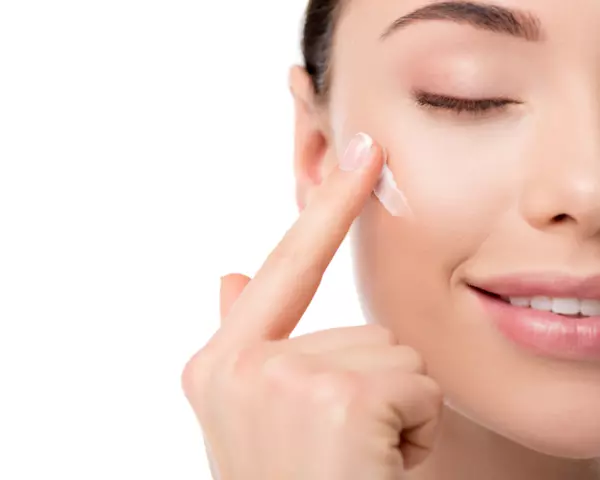

Ceramides in skincare
The molecular magic for youthful-looking skin
What are ceramides?
Ceramides are specialised lipids that play a central role in skin health. They make up about 60% of the lipids in the outermost layer of the skin, known as the stratum corneum, and are crucial to the protection provided by the skin barrier. This barrier prevents moisture loss while protecting against the intrusion of harmful environmental factors.
Ceramides occur naturally in our skin and are divided into several types, of which at least nine are known. In cosmetics, ceramide 3 (also called ceramide NP) is used most frequently because it is common in the epidermis and is very well tolerated.
How do ceramides work on the skin?
Ceramides are very important for the health and appearance of our skin. As a key component of the skin barrier, they help prevent harmful microorganisms such as bacteria, viruses and fungi from entering the skin. At the same time, they contribute to maintaining elasticity and moisture.
You can think of ceramides as the mortar that holds bricks together. Here, ceramides act like mortar linking skin cells together to build a stable, protective barrier. This is necessary to shield the skin from environmental stressors and to retain moisture.
They also help prevent skin dryness. They strengthen the skin barrier and make it less permeable, so the skin can better compensate for water loss. That makes the skin not only more supple but also helps reduce wrinkles. Well-hydrated skin looks fresher and firmer.
Another benefit of ceramides is their ability to improve skin texture. They soften dry patches and fine lines and give the skin a smooth, even texture. This creates an ideal base for makeup and contributes to an overall harmonious complexion.

What role do ceramides play in anti-ageing?
Ceramides are important anti-ageing actives because they significantly contribute to hydration and thus to skin health. Well-hydrated skin is firmer, smoother and less prone to wrinkles and fine lines. Ceramides help retain moisture, making the skin look fresher and more youthful.
However, as we age the skin produces progressively fewer ceramides. From around the age of 25, natural production declines, which can lead to drier skin, reduced elasticity and wrinkle formation. They replenish the lipid reserves of the epidermis and strengthen the skin barrier so moisture can be retained more effectively.
In eye care they are particularly valuable because the skin around the eyes is thinner and more sensitive. Properly hydrated skin in this area minimises wrinkle formation and leaves the eye area looking fresher and more awake.
Which skin types benefit from ceramide skincare?
Ceramide skincare is suitable for all skin types because ceramides are natural components of our skin and are essential for maintaining a healthy skin barrier.
Dry skin needs an extra dose of moisture. Ceramides help restore the moisture balance and strengthen the skin’s protective barrier so it is better protected from drying out.
People with sensitive skin who are prone to irritation and redness benefit from ceramides because they stabilise the skin barrier and reduce reactivity.
With skin conditions such as atopic dermatitis, psoriasis or rosacea, the skin barrier can be impaired. Ceramides support barrier repair and help improve moisture balance, which can alleviate symptoms.
Even oily skin can benefit from ceramides. They provide lightweight hydration without clogging pores or leaving an oily film.
Which ingredients pair well with ceramides?
Combined with other skin-identical and nourishing ingredients, ceramides deliver their benefits most effectively.
Amino acids and glycerin support the skin’s natural regenerative capacity. Together they help strengthen the skin barrier and keep the skin supple and well moisturised.
Phytosphingosine and sphingolipids help stimulate the production of new ceramides. This means care not only provides protective lipids but also encourages natural ceramide production, strengthening the skin barrier in the long term.
Ceramides are susceptible to lipid peroxidation, where free radicals attack the skin’s fats. Antioxidants such as vitamin C, vitamin E, resveratrol and astaxanthin protect ceramides from this degradation and help keep the skin looking healthy and youthful.
Retinol is a proven anti-ageing ingredient that promotes skin renewal and, when combined with ceramides, helps improve skin structure and reduce wrinkles.
Niacinamide, a versatile vitamin B3 derivative, soothes the skin, evens skin tone and supports ceramides in repairing and maintaining the skin barrier.
Peptides promote collagen production, while linoleic acid, an essential fatty acid, keeps skin supple. Together with ceramides they help reinforce skin structure and reduce signs of ageing.
Are there any risks with ceramides?
There are a few points to consider when using ceramides. Ceramides themselves generally do not cause side effects, as they are skin-identical. If skin reactions such as redness, itching or irritation do occur, they are usually caused by other ingredients in the product, such as fragrances or preservatives.
Therefore it is important to check a product’s ingredients list carefully before use. For sensitive skin in particular, it is recommended to patch-test a new product on a small area first to ensure no unwanted reactions occur. This way you can enjoy the benefits of ceramides without unpleasant surprises.
Ceramides in skincare: how to use them correctly
- Check the ingredients. Make sure your skincare product does not contain only a single type of ceramide. A blend of different ceramides and their precursors is ideal because it can better support the skin.
- Combine ceramides with other actives. They work best alongside humectants like glycerin or hyaluronic acid. These help to hydrate the skin intensively and reinforce the protective barrier.
- Avoid excessive exfoliation. Frequent exfoliation can weaken the skin barrier. Use gentle cleansers instead to support the effect of ceramides and protect the skin.
- Pay attention to packaging. Ceramides are sensitive to light and air. Choose products in opaque or airtight packaging to preserve effectiveness.
- Use ceramides in your winter routine. In winter the skin is often drier and more vulnerable. They help protect the skin from cold temperatures and dry indoor heating by strengthening the moisture barrier.
- Include ceramides in your diet. Although concentrations in foods are low, a balanced diet including ceramide-rich foods such as eggs, soybeans and spinach can support skin from the inside.
- Protect your skin from the sun. Ceramides can help reduce UV-related damage, especially when included in products with sun protection factor.
- To protect ceramides from oxidative stress, combine them with antioxidants like vitamin C or vitamin E. These prevent lipids from being destroyed by free radicals.
- Use ceramides in haircare products too. Ceramides are useful in shampoos and conditioners, particularly for dry scalps. They strengthen the hair and can help reduce dandruff.
- To avoid impairing ceramide efficacy, use mild, pH-neutral cleansers without alcohol or strong fragrances.
Ceramides are indispensable components of the skin that form a strong layer against external influences and retain moisture. They are especially beneficial for all skin types and, combined with other nourishing ingredients, can improve long-term skin health. Regular use of ceramide-containing products helps keep skin supple and youthful-looking.