

Cocoa
The healthy powers of delicious passion
What is cocoa?
Cocoa originally comes from the tropical rainforests of South America, where it has been cultivated for thousands of years. The ancient Maya and Aztec cultures regarded cocoa as a sacred plant and used it in ceremonies, as currency and even as medicine. This reverence eventually led to the development of modern cocoa production.
Today, cocoa processing is a complex process that begins with harvesting the cacao pods. The pods are opened, the cocoa beans removed and fermented to develop their flavour. The beans are then dried, roasted and ground to produce cocoa mass.
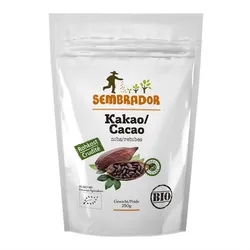
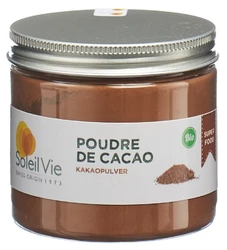
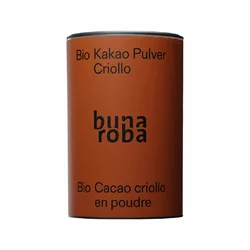
How can cocoa be used?
Cocoa is versatile and used across several industries. The chocolate industry is the largest consumer of cocoa. Cocoa beans are processed into products such as cocoa mass, cocoa butter and cocoa powder, which are the main ingredients in chocolate production.
Cocoa powder is also used in the food industry, particularly in baked goods, desserts and beverages, to provide the characteristic chocolate flavour.
Beyond food applications, cocoa also has a place in the cosmetics industry. Cosmetic manufacturers use cocoa butter, a by-product of cocoa processing, to produce items such as skin creams, lip balms and massage oils. Cocoa butter is known for its moisturizing and nourishing properties and is often used for its pleasant chocolate scent in various beauty products.
Cocoa also plays a role in the pharmaceutical industry. Cocoa components are used in the manufacture of medicinal products. For example, cocoa extracts, which are high in antioxidants and other bioactive compounds, have been associated with beneficial health effects. These extracts are employed in the development of dietary supplements and pharmaceuticals.
What are the health benefits of cocoa?
It is estimated that cocoa contains about 300 different constituents in total. These include serotonin and dopamine, which can have mood-enhancing effects and boost a sense of well-being.
Cocoa is rich in valuable nutrients that contribute to its health benefits. Key components include antioxidants such as flavanols and polyphenols. These compounds play an important role in protecting the body against harmful free radicals that can lead to oxidative stress and various diseases. In addition, cocoa contains a variety of minerals that are important for the body. These include magnesium, which is important for muscle and nerve function, iron, required for oxygen transport in the body, potassium, which helps regulate fluid balance and blood pressure, and calcium, essential for strong bones and teeth.
Cocoa is also a good source of several vitamins. Notably the B vitamins such as vitamin B1 (thiamine), vitamin B2 (riboflavin), vitamin B3 (niacin) and vitamin B6 (pyridoxine) are important. These vitamins are significant for energy metabolism, nervous system function and the formation of red blood cells.
Which bioactive compounds make cocoa particularly valuable?
Cocoa contains natural stimulants like theobromine and small amounts of caffeine, which give the body a gentle energy boost. Unlike coffee or energy drinks, cocoa provides a milder and more sustained energy without unwanted side effects such as nervousness or sleeplessness.
Cocoa for body and mind: tips and tricks
- Choose dark chocolate with a high cocoa content (70% or more) to gain more of cocoa's full health benefits.
- Enjoy a cup of hot cocoa as a warming and calming alternative to coffee or tea.
- Use cocoa as an ingredient in homemade energy balls or protein bars for a healthy, flavourful snack.
- Include cocoa in your diet, as it contains fibre that supports digestion and gut health.
- Try cocoa nibs, the crunchy pieces made from fermented and dried cocoa beans, as a healthy snack option.
- Marinate meat or vegetables with cocoa to add an aromatic and spicy component.
- Make a chocolate face mask by mixing cocoa powder with honey, ground coffee and yoghurt. You will need 2 tablespoons of freshly ground coffee, 2 tablespoons of cocoa powder, 1 tablespoon of honey and 3 tablespoons of Greek yoghurt. The antioxidant properties help care for and nourish the skin.
- Use cocoa as an ingredient for homemade lip balm or body butter to soothe and moisturise dry skin.
- Create your own chocolate body scrubs by mixing cocoa powder with sea salt or sugar and use it as a gentle exfoliant for soft, smooth skin.
- Treat yourself to a relaxing chocolate bath: mix 500 ml of warmed milk with 2 tablespoons of cocoa powder and 2 tablespoons of honey and pour the mixture into the hot bathtub as a bath additive.
- Mix cocoa butter with essential oils such as lavender or rosemary to create a soothing massage butter for relaxation and stress relief.
Cocoa not only tastes delicious, it also offers many benefits for health and beauty. Incorporate cocoa into your diet and body care routine to take advantage of its valuable constituents and enhance your well-being. Enjoy the many possibilities of cocoa and experience its positive effects on health and beauty.