
Cod liver oil
How to mobilise your defences
editorial.overview
What is cod liver oil?
Cod liver oil is a yellowish, viscous oil that is made from the livers of cod (Atlantic cod) and haddock by pressing or heating. Other fish oils are obtained from the fat tissue of various deep-sea fish such as mackerel and herring, and most vitamins are lost during processing.
Fish oil is less digestible than cod liver oil and, unlike cod liver oil, is not a source of vitamin D and vitamin A. Cod liver oil provides valuable vitamins A, D, E, omega-3 fatty acids, iodine and phosphorus, which are involved in numerous processes in our bodies.
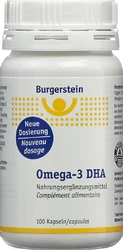
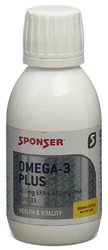
How do vitamins A and D in cod liver oil support health?
Vitamin A is important for the intact functioning of our immune system, for the formation of blood cells, and for the maintenance of skin and mucous membranes. It is involved in bone mineralisation and contributes to good fertility. Vitamin A is also crucial for vision. If this fat-soluble vitamin is deficient, our eyes do not get enough of the pigment rhodopsin, which impairs vision in low light and at night. Just 3.3 g of cod liver oil cover the daily requirement for vitamin A.
Vitamin D is essential for healthy bones: when this vitamin is lacking, bone formation is limited because less calcium is released. Vitamin D participates in the body's calcium and phosphate metabolism, supports the absorption of calcium from the gut and is important for the prevention of osteoporosis, rickets and tooth loss. Just 6 g of cod liver oil meet the average daily requirement for vitamin D. Therefore cod liver oil is a good dietary source to reduce age-related bone loss in adults and to strengthen bones at any age.
What role do omega-3 fatty acids in cod liver oil play for the heart and inflammation?
Omega-3 fatty acids are essential for our bodies: our brain, blood, heart, cell membranes and eyes need these fatty acids to perform their functions.
According to studies, the omega-3 fatty acids found in cod liver oil can lower high blood pressure in people with high cholesterol and reduce blood triglycerides by 15–30%. The “good” HDL cholesterol is increased. All of this helps to prevent cardiovascular diseases such as cardiac arrest and stroke, because plaque formation and deposits in the arteries are reduced.
Omega-3 fatty acids are helpful for chronic inflammation: they reduce pro-inflammatory proteins tnf-α, il-1 and il-6 and thereby diminish persistent inflammation that raises the risk of cardiovascular disease.
A study found that people with rheumatoid arthritis can also benefit from cod liver oil: after three months of daily intake, morning stiffness, pain and swelling were reduced, allowing patients to lower their use of anti-inflammatory medications by over 30%.
Why are vitamin E, iodine and phosphorus in cod liver oil important?
Vitamin E is an important antioxidant that neutralises aggressive free radicals that can damage cells. In addition, this vitamin is essential for a healthy immune system and for blood clotting. Just 7 g of cod liver oil cover the daily requirement for vitamin E.
The iodine contained in cod liver oil is needed by the body to produce thyroid hormones and for an intact energy metabolism.
Phosphorus is important for energy production, ensures bone strength and is involved in building cell membranes. Daily intake of cod liver oil can help prevent iodine and phosphorus deficiency.
Time-tested and topical: the best tips for using cod liver oil
- It is advisable to consult a doctor before taking cod liver oil to check your needs for vitamins A and D. These vitamins accumulate in the body and overdosing can occur.
- There are dietary supplements that contain the omega-3 fatty acids and vitamins found in cod liver oil in a purified form. They are generally more concentrated than cod liver oil itself and are useful in case of a deficiency.
- An intake of up to 3 g of cod liver oil per day is generally considered safe. The typical dose is 1 teaspoon, which corresponds to the daily vitamin D requirement and provides 1.2 g of omega-3 fatty acids (0.6 g DHA and 0.4 g EPA).
- If you do not like the taste of cod liver oil, you can mix the dose in water and drink it in one large gulp or mix it with a tart juice. The juice masks the unpleasant taste and also supplies you with vitamins. Another option is yogurt or raw cream.
- A crunchy cucumber or a slice of lemon immediately after swallowing the cod liver oil also offers a good taste alternative to juice.
- For children there are fruit-flavoured cod liver oils or you can add a little raw honey or maple syrup.
- Some people enjoy the distinctive cod liver oil flavour in homemade salad dressing mixes.
- Expect a long-term, regular intake for potential positive effects of cod liver oil to appear.
- If you also take other dietary supplements or multivitamins, make sure you do not exceed the recommended daily dose of vitamin A (maximum 1.5 mg).
- In case of overdosing vitamins A and E, vitamin toxicities can occur, manifesting as headache and muscle pain, nausea, vomiting, visual disturbances, hair loss and dry, reddened skin. Excessive intake of vitamin D may promote kidney stone formation and renal calcification.
- Pregnant women should avoid taking cod liver oil, as excessive vitamin A intake can cause congenital malformations in the unborn child.
- When purchasing, ensure that cod liver oil has certificates such as GMP, ISO, GOED and IFOS. Otherwise there is a risk of contamination with mercury and dioxins.
- A cod liver oil ointment is a good aid for wound healing. Cod liver oil supports tissue formation so wounds can heal faster.
Cod liver oil has a multifaceted effect on the body and is packed with vitamins. Try it for yourself!