Coenzyme Q10
This energy will definitely keep you young
editorial.overview
What is coenzyme Q10?
Coenzyme Q10, also called ubiquinone or ubichinon, is a vitamin‑like substance found in almost all cells of the body. It plays a central role in the energy metabolism, because in the mitochondria, the „powerhouses" of the cells, it is involved in converting energy from food into adenosine triphosphate (ATP). ATP is required for many bodily functions such as muscle contraction and cell division.
The body can produce coenzyme Q10 on its own, but endogenous production declines with age, which can increase the need for supplemental intake.
In addition to internal production, Q10 can also be obtained from dietary sources. Moreover, dietary supplements containing Q10 and cosmetic products such as creams are widespread, as the coenzyme is also being studied for anti‑aging effects. Factors like stress, intense physical activity and environmental exposures can increase Q10 needs, so supplementation may be useful in certain life phases or when requirements are higher.
What functions does coenzyme Q10 serve in the body?
Coenzyme Q10 performs a variety of important roles in the body, ranging from energy production to cellular protection. A central function is the support of energy production in the mitochondria. In addition, Q10 plays an important role in supporting heart health. It contributes to the energy supply of the heart muscle and can thus support normal heart function.
Another function is its antioxidant action. As a strong antioxidant, it protects cells from harmful free radicals, whose formation is increased by environmental factors such as smoking or pollutants. By reducing oxidative stress, coenzyme Q10 can help prevent premature cellular ageing and slow the ageing process at the cellular level.
Q10 is also essential for the health of the skeletal and cardiac muscles. It improves energy production in muscles and supports their regeneration after physical exertion. People experiencing muscle complaints due to statin use may in particular benefit from supplementation.
There is also evidence that Q10 may support fertility. In men, it improves sperm quality and motility; in women it may enhance egg quality and thereby increase chances of conception. Finally, coenzyme Q10 also has neuroprotective properties that may support nervous system health. Early research suggests it could be useful in treating neurodegenerative diseases such as Parkinson's and Alzheimer's, although further studies are required to fully confirm these effects.
How much coenzyme Q10 does the body need?
Coenzyme Q10 is generally well tolerated at the recommended doses of 30 to 200 mg per day. In most cases the body does not need extra intake because it produces sufficient amounts of Q10 itself. Daily dietary intake, which can be around 2 to 20 mg, is usually enough to meet needs.
However, there are situations in which the body has a higher requirement, for example with certain illnesses or at older ages. In such cases, additional intake via supplements may be appropriate. In general, attention should be paid to correct dosing when taking coenzyme Q10, since higher doses (above 200 mg) can, in rare cases, lead to side effects such as stomach complaints or headaches. Consultation with a physician is particularly advisable if medications are being taken or there are health concerns.
How can a coenzyme Q10 deficiency manifest?
A deficiency in coenzyme Q10 can present with a variety of health symptoms. The most common symptoms include muscle weakness and fatigue, because the coenzyme is closely involved in energy production and deficiency can impair ATP formation. Increased susceptibility to infections is also possible, as the immune system can be weakened by deficiency.
A low Q10 level can also raise oxidative stress, increasing the risk of chronic diseases such as cardiovascular conditions and neurodegenerative disorders. Neurological symptoms such as difficulties with concentration and memory are also common signs of Q10 deficiency. Wound healing may be delayed as the coenzyme is required for cell regeneration and repair.
The causes of a deficiency in Q10 are varied. Endogenous production decreases with age and certain chronic diseases such as heart failure or diabetes can increase Q10 requirements. Some medications, like statins used to lower cholesterol, can inhibit synthesis of the coenzyme and lead to deficiency.
Can coenzyme Q10 improve skin health?
Coenzyme Q10 promotes skin health through its effectiveness as an antioxidant, protecting the skin from harmful free radicals. These radicals are produced by environmental influences such as UV radiation and air pollution and contribute to skin ageing. Q10 helps improve skin appearance by neutralising these harmful influences.
It also supports collagen production, which gives the skin more elasticity and delays wrinkle formation. Regular use of Q10‑containing skincare products can firm the skin and reduce the appearance of fine lines. By strengthening the moisture barrier, Q10 improves moisture retention and makes the skin look plumper and fresher.
Additionally, Q10 has anti‑inflammatory effects and thus reduces inflammation, such as that caused by sunburn. It also promotes wound healing, which can be particularly beneficial for skin irritations. In cosmetic formulations Q10 raises the energy level of skin cells and thus helps slow the ageing process. In some cases it can also lighten pigment spots by regulating melanin production.
Are there side effects when taking coenzyme Q10?
Taking coenzyme Q10 is generally considered safe, especially at recommended doses. In most cases it is well tolerated, but side effects can occur in rare cases. The most common are gastrointestinal complaints such as nausea, diarrhoea, abdominal pain and heartburn. Headaches are occasionally reported.
In isolated cases, dizziness, insomnia or loss of appetite may also occur, particularly at higher doses above 200 mg per day. Allergic reactions such as rash or itching are very rare but possible. Attention should also be paid to potential interactions with medicines. Q10 can affect the action of blood thinners and thereby increase bleeding risk.
There are also indications that very high doses of the coenzyme can raise liver enzyme values, which could indicate liver strain. People with liver problems or a history of liver issues should take coenzyme Q10 only under medical supervision.
How to actively counter a Q10 deficiency: helpful tips
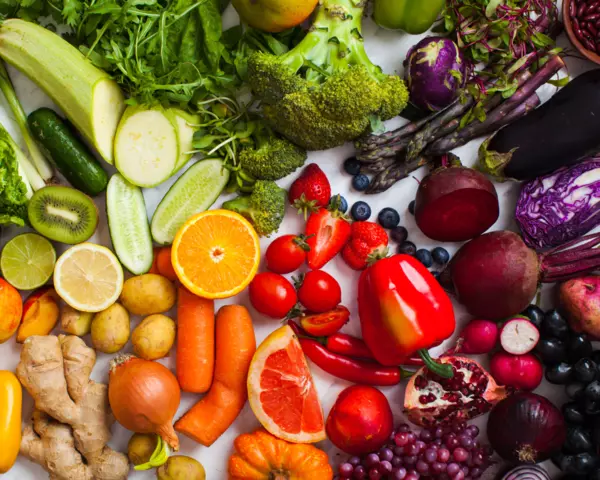
- Increase intake of Q10‑rich foods such as meat, fish, poultry or plant sources like spinach and broccoli, which also contain valuable components for Q10 supply. They should be incorporated regularly into the diet.
- Liver and other offal contain particularly high amounts of coenzyme Q10. Use this valuable source for your well‑being.
- Besides animal products, legumes, nuts and soy products are good sources of Q10.
- Use cooking oils such as soybean, rapeseed or sesame oil. These oils are rich in coenzyme Q10 and support absorption of fat‑soluble substances.
- Formation of Q10 depends especially on the amino acids phenylalanine and tyrosine. They are present in many protein‑rich foods.
- Certain cholesterol‑lowering drugs inhibit the body's own production of coenzyme Q10. In this case taking a Q10 supplement can be sensible.
- To support the respiratory chain, capsules or tablets with ubiquinol can also be taken to benefit from Q10's antioxidant properties.
- Maintain a healthy lifestyle to prevent Q10 deficiency, and consider Q10 supplementation for migraine to support cell health and antioxidant effects. In clinical studies, supplementation with 1–3 mg coenzyme Q10 per kg body weight led to a significant reduction in migraine frequency and intensity.
- For Q10 supplements, pay attention to bioavailability. Some are absorbed only about 5–8% from the gut. Q10 is better absorbed when it is packaged in a water‑soluble, natural envelope with cyclodextrins (carbohydrates derived from plant starch).
- Choose Q10 supplements of natural origin. Unlike a synthetic preparation, naturally fermented coenzyme Q10 has many advantages. Its trans form matches exactly the body's own Q10, whereas the synthetic form contains 50% of the body‑foreign cis form of Q10.
- Use synergistic effects. A synergistic effect means different substances complement each other and achieve a better result. After all, substances in nature never occur in isolation. When selecting a Q10 supplement, pay attention to a sensible combination of ingredients.
Coenzyme Q10 is more than just cellular protection — it is a true vital nutrient that strengthens us in daily life and provides energy. By supporting Q10 levels we can promote the body's natural processes and counteract the ageing process.