Echinacea
This medicinal plant helps against colds and infections
Which Echinacea species are used medicinally?
The scientific genus name of the coneflower – Echinacea – comes from the Greek “echinos” (hedgehog). Its rounded flower head is covered with countless tubular florets and resembles a hedgehog’s spiny coat, as if the plant were saying: „I am ready to defend myself!"
As a traditional herbal medicine three Echinacea species are used: Echinacea purpurea (the purple coneflower), Echinacea pallida (the pale coneflower) and Echinacea angustifolia (the narrow‑leaved coneflower). For the latter two species only the roots are used, while for the purple coneflower the aerial parts are also used.
The range of constituents is similar in all three species, so they are used for similar complaints. The immune‑supporting effects of coneflower are mainly due to the alkamides it contains. In addition, Echinacea is rich in polysaccharides, flavonoids, antioxidants, bitter substances, resins, phytosterols, inulin, cichoric acid and essential oil.
How does Echinacea strengthen the immune system?
The immunostimulant effect of Echinacea is attributed to alkamides, polysaccharides and glycoproteins.
Alkamides (for example echinacein) act in our body in a way similar to cannabinoids and can either activate or inhibit the immune system. Alkamides are unsaturated fatty acids that can bind to proteins. They attach to immune system receptors and trigger anti‑inflammatory responses.
Natural defence cells (so‑called killer cells) are activated to support the immune system. In this way harmful invaders are attacked and neutralised. Echinacea promotes the production of lymphocytes and splenic cells and can stimulate the non‑specific immune system.
Alkamides have a antibacterial and antifungal effect, while polysaccharides show a antiviral effect. In addition, alkamides stimulate specific cells on the surface of the pulmonary alveoli. These cells take up toxins and various foreign particles from the blood to eliminate them.
Can Echinacea shorten the duration of colds?
According to clinical trials, Echinacea can reduce the duration of viral infections because it improves white blood cell performance.
Another study showed that Echinacea helps with acute respiratory infections – provided it is taken at the first signs of infection.
In some trials coneflower demonstrated antiviral activity against influenza virus, respiratory syncytial virus (RSV) and herpes simplex virus: viral load was significantly reduced and the risk of recurrent infections decreased. Echinacea may also reduce the risk of tonsillitis, pharyngitis, middle ear infection and pneumonias.
For which other complaints does Echinacea show positive effects?
Thanks to the caffeic acid derivatives it contains, coneflower acts as an antioxidant and helps alleviate inflammation. This applies in particular to inflammation of the mammary gland, the female pelvic area and urinary tract infections.
When applied externally, Echinacea promotes better wound healing by being antiseptic, anti‑inflammatory and promoting granulation. There is also evidence that alkamides, rosmarinic acid and caffeic acid, which are abundant in Echinacea, have positive effects on mood and can reduce anxiety.
Plant power: best tips for using Echinacea
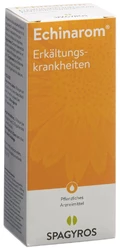
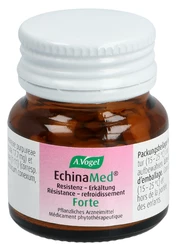
- You can buy Echinacea as drops, juice, tablets, spray, dragees, homeopathic globules, ampoules, mother tincture or ointment. There are also combination preparations with other medicinal plants. Preparing Echinacea tea yourself is not recommended.
- Ready‑made medicinal products are, unlike homemade Echinacea remedies, easy to dose. You can clarify the dosage of an Echinacea preparation with a doctor or follow the package leaflet.
- Never take Echinacea preparations for longer than 2 weeks at a time, otherwise the immune system can be weakened rather than stimulated. If necessary, take a 2‑week break and then take the preparation for another 2 weeks.
- You can make your own Echinacea tincture. Put 50 g dried or 100 g fresh Echinacea herb into a screw‑top jar and pour over 200 ml alcohol. Close the jar and let it infuse for four to six weeks in a dark place. Then strain the tincture and take 10 to 50 drops three times a day, diluted in a glass of water.
- This tincture can also be used externally. Soak a cloth with some tincture and apply it as a compress to skin infections or small grazes on the affected area.
- Echinacea honey is suitable for children. Pull the purple ray florets from a handful of flowering Echinacea heads and quarter the flower head. Put all plant parts into a screw‑top jar and cover them with 500 g of liquid honey. Let the mixture infuse for four to six weeks in a dark place, strain the honey and store it cool. You can use this honey to sweeten tea or simply take a teaspoon. Children can take half a teaspoon per day.
- Sometimes side effects such as nausea and stomach pain may occur. Avoid Echinacea if you are allergic to arnica, marigold or chamomile. For children under 12 years and for pregnant women, Echinacea is generally not recommended due to lack of studies, or its use should be discussed with a doctor. An Echinacea ointment is not suitable for application to the breast area in breastfeeding women.
- Autoimmune diseases, immunodeficiency such as HIV/AIDS, tuberculosis, multiple sclerosis and collagenoses are contraindications to taking Echinacea, as it stimulates the immune system and therefore the defence system could attack the body’s own cells and tissues.
Echinacea is certainly worth trying for cold symptoms and helps you stay fit through the cold season!