Hamamelis
The medicinal plant of the Indigenous peoples of North America
editorial.overview
What kind of plant is Hamamelis virginiana?
Hamamelis virginiana, or witch hazel, is a shrub about three metres high or a small tree that has long been used by the Indigenous peoples of North America.
Its name comes from the Greek words „hama” (at the same time) and „melon” (fruit) and refers to the plant's distinctive feature: its fruits and leaves develop almost simultaneously and the fruits ripen before the flowers in the same year.
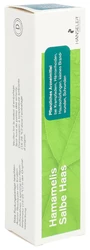

Which active compounds does witch hazel contain?
Witch hazel contains more than 160 different plant compounds, including tannins, flavonoids and proanthocyanidins. The most important actives are hydrolysable tannins, especially gallotannins, which are abundant in the shrub's bark.
Tannins (in particular gallotannins and ellagitannins) have astringent properties that help constrict small blood vessels, soothe skin irritations and promote wound healing.
Flavonoids act as antioxidants, reduce inflammation and protect cells from free radicals.
Essential oils contribute to antibacterial and mildly soothing effects.
Saponins have cleansing and circulation‑promoting effects.
Resins and bitter substances also support the anti‑inflammatory action.
This combination makes witch hazel especially effective for skin irritations, haemorrhoids, small wounds or venous weakness.
How does witch hazel help with skin and mucous membrane inflammations?
Witch hazel can relieve mild inflammations and itching of the skin and mucous membranes. A study showed that applying a cream with 10% witch hazel extract can inhibit skin inflammation and reduce skin redness.
This effect is also beneficial for inflammations in the rectal area: preparations made from witch hazel bark are used for haemorrhoids grade I and II to alleviate burning, itching, swelling and slight bleeding in the anal area.
What effect does witch hazel have on wound healing and skin protection?
For small cuts, witch hazel promotes wound healing. The tannins act by contracting the upper layers of the skin and mucous membranes and sealing them. This alters the structure of the skin's proteins – they form a thin protective layer and the top layer of skin becomes almost impermeable.
As a result of the tannins' action, nerve endings in the skin react less sensitively to irritating signals. This produces a itch‑relieving effect.
For which skin problems and applications is witch hazel particularly helpful?
The tannins abundant in witch hazel and gallic acid have strong anti‑inflammatory and antioxidant effects.
Acne, eczema, atopic dermatitis and psoriasis are considered inflammation‑related conditions, so topical preparations from witch hazel can help with these and other skin problems: they calm irritated and inflamed skin, reduce swelling and decrease scalp sensitivity.
The distillate from leaves and bark (witch hazel water) is applied externally for scalp problems such as dryness and dandruff, for skin irritations, insect stings, bruises, sunburn and as an aftershave .
Through its astringent action, witch hazel helps to minimise pores, which is particularly beneficial for oily skin. Witch hazel may also be helpful for inflammations of the oral and ocular mucous membranes.
Gentle healing power of witch hazel: tips for everyday use
- Witch hazel is available as suppositories, witch hazel water, and in creams, shower gels and shampoos that contain the plant's active ingredients.
- For skin and mucous membrane inflammations, compresses made with a witch hazel infusion can help. To prepare, pour 5–10 g of witch hazel bark over 250 ml of boiling water, let steep for 10 minutes and strain.
- Using the same principle, make an infusion from 2–4 g of chopped leaves or bark for mouthwashes and gargles. For inflamed oral mucosa, rinse the mouth and throat with it three times a day.
- For sore throat, boil 5 ml of witch hazel water in 240 ml of water for about 10 minutes and gargle three times a day to dry up excess mucus and reduce swelling.
- For diarrhoea, witch hazel suppositories are used one to three times daily. This remedy is intended only for short‑term use.
- Witch hazel water can be used as a natural facial cleanser. It can shrink pores, help prevent blackheads and relieve acne by reducing excessive sebum production.
- To soothe razor burn and prevent ingrown hairs, rub the shaved areas with witch hazel. It also stops bleeding from small cuts.
- For sensitive scalps, apply a little witch hazel to the scalp before washing hair to reduce inflammation and itching. There are also specialised shampoos with witch hazel extract.
- If taking internal preparations from a pharmacy, follow the package leaflet. The tannins in witch hazel can cause side effects in some people, such as digestive disturbances and liver problems. Because tannins bind iron, witch hazel preparations should not be taken with meals.
- In case of an allergic reaction, stop using the plant immediately. Use of witch hazel preparations in pregnancy, breastfeeding and in children should be discussed with a physician.
Try this medicinal plant yourself to benefit from its many advantages!