
Grey Hair
The magic of the natural hair transition
What are the main causes of grey hair?
Grey hair is the result of a complex interaction of different factors. The main reason grey hair appears is the reduction in production of the hair pigment melanin. Melanin is responsible for hair colour, and when hair follicles produce less melanin, hair gradually loses its colour and turns grey or white.
Aging is a key factor in the development of grey hair. With increasing age, the activity of melanocytes, the cells responsible for melanin production, declines. This results in less melanin being produced in the hair.
Genetic predisposition also plays a role. People whose parents or grandparents developed grey hair early are more likely to get grey hair themselves at an earlier age.
Hormonal changes can also promote greying. Certain hormonal disorders, such as thyroid problems, can lead to premature greying.
In addition, there are certain medical conditions associated with premature greying. These include autoimmune diseases like vitiligo, where melanocytes are destroyed and pigment is no longer produced. Genetic disorders such as Werner syndrome, which causes premature ageing, also trigger early greying.
Greying can also depend on ethnic background. Some ethnic groups tend to grey earlier than others. For example, studies show that people of European descent generally develop grey hair earlier than people of African or Asian descent.
What role does diet play in the development of grey hair?
Hair needs a balanced diet to stay healthy and strong. Certain nutrients play an important role in maintaining hair pigmentation and can help delay the onset of grey hair.
A deficiency in vitamin B12 leads to reduced melanin production. Good sources of vitamin B12 include meat, fish, eggs and dairy products. Vegetarians and vegans should pay particular attention to getting enough vitamin B12 from supplements or fortified foods.
Copper is a mineral involved in melanin production. A copper deficiency leads to loss of hair colour. Foods such as seafood, nuts, seeds, whole grains and legumes are good sources of copper.
Iron deficiency causes hair loss and colour changes. Iron-rich foods like red meat, legumes, green leafy vegetables and fortified cereals should be included in the diet to ensure adequate iron intake.
Vitamin E is a strong antioxidant that helps protect hair follicles from oxidative stress. Foods such as nuts, seeds, vegetable oils and green leafy vegetables are rich in vitamin E.
A diet high in antioxidants protects hair follicles from damage caused by free radicals. Fruits and vegetables, especially berries, peppers, spinach and carrots, are good sources of antioxidants.
Can environmental factors accelerate hair greying?
In addition to nutrient deficiencies and harmful habits, there are other factors that contribute to hair greying. Here are some further aspects to consider. Certain environmental factors accelerate the appearance of grey hair. Excessive sun exposure damages hair follicles and reduces melanin production.
Is there a link between stress, lifestyle and grey hair?
Chronic stress is also linked to the development of grey hair. Under stress, the body produces more free radicals, which can damage hair follicles and impair melanin production.
An unhealthy lifestyle also contributes to greying. Smoking and an unbalanced diet low in vitamins and minerals can impair hair health and accelerate the greying process.
Goodbye grey hair: tips for youthful-looking, glossy hair
- Accept your grey hair as part of your unique style and wear your natural colour with confidence. Experiment with accessories and clothing styles to highlight your personality and make your grey hair a fashionable statement.
- Use mild, sulphate-free shampoos and nourishing conditioners to keep hair healthy and supple.
- Complement your hair care routine with regular moisturizing masks or treatments to reduce dryness and brittleness.
- Reduce the use of hot styling tools such as hairdryers, straighteners and curling irons to minimise hair damage.
- Wear a hat in summer or use hair care products with UV protection to shield your hair from harmful sun rays.
- Ensure a balanced diet rich in vitamins and minerals to promote hair health.
- Eat antioxidant-rich foods such as berries, green leafy vegetables and nuts to reduce oxidative stress in your body.
- Biotin, also known as vitamin B7, can support hair health. Talk to your doctor before taking biotin supplements.
- Find ways to reduce and manage stress, as chronic stress promotes hair greying.
- Physical activity improves scalp circulation and supports hair health.
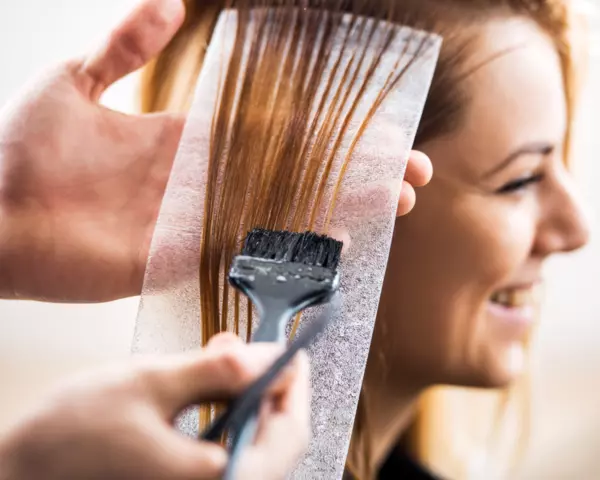
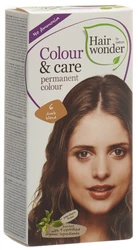
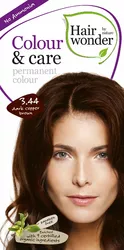
- If you want to cover grey hair, choose gentle hair dyes without ammonia and have them applied by a professional stylist.
- Consider plant-based hair colours that contain no harsh chemicals and are gentle on the hair.
- Use specialised silver shampoos and conditioners to neutralise yellow tones in grey hair and give it a cooler shade.
- Keep up regular haircuts to minimise split ends and keep hair looking healthy.
Grey hair is a natural part of the human hair cycle and a beautiful change that expresses individuality and uniqueness.