Hair removal
Smooth is always beautiful
editorial.overview
What is the best method for hair removal?
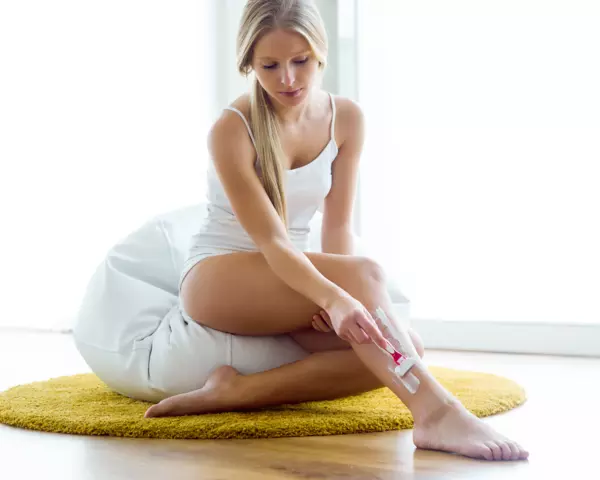
Which hair removal method is best suited depends greatly on individual factors such as skin type, pain tolerance and the desire for a long‑lasting effect. Shaving is the most widespread method but only delivers short‑term results. It is suitable for normal skin, is painless and inexpensive, but not recommended for sensitive or very dry skin.
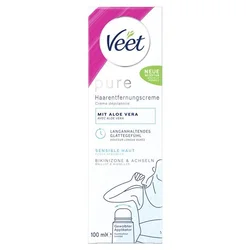
Depilatory creams are painless and recommended for non‑sensitive skin. They contain active ingredients that dissolve the hair structure. However, they often cause skin irritation and contact allergies.
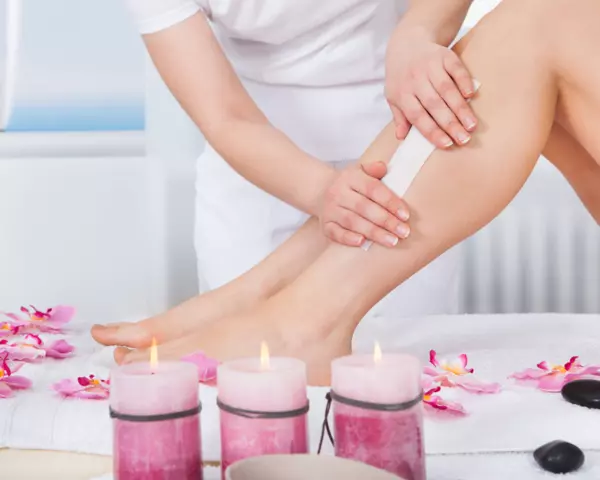
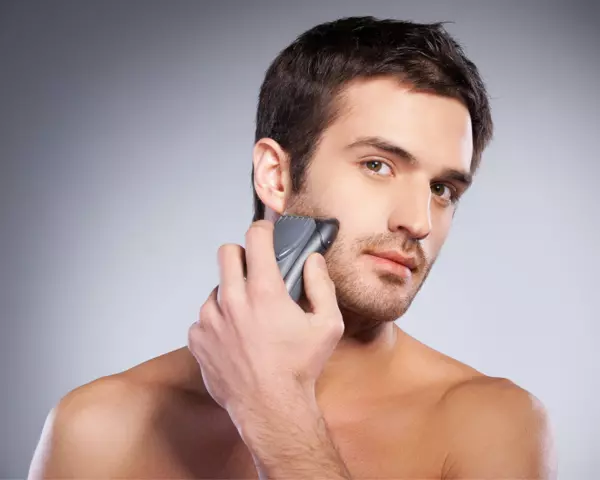
Epilators can provide long‑lasting results but may cause anything from slight pulling to real pain. This method is an option for sensitive skin types. Waxing suits those who are willing to endure some pain for smooth skin. Costs vary depending on whether hair removal is done at home or in a professional salon.
Sugaring is similar to waxing but gentler on the skin, making it suitable for sensitive skin and allergy sufferers. The duration is comparable to waxing but the pain is generally less. Laser and IPL (Intense Pulsed Light) are methods for long‑term hair reduction. They are suitable for anyone seeking a long‑term solution but can be expensive and require several sessions to achieve optimal results. Treatments should be carried out by trained professionals to minimise risks.
Electrolysis is considered the only method that guarantees complete and permanent hair removal because it does not depend on melanin and can be used on all skin and hair types.
How long does hair removal last?
The longevity of hair removal methods varies widely depending on the chosen technique, as each method has its own pros and cons. Shaving has the shortest duration. Stubble reappears already after one to two days.
Depilatory creams last somewhat longer. The hair falls out and the skin remains smooth for about a week. These creams should be used with caution because they contain chemical ingredients that can cause irritation in certain skin types.
With epilation, hairs are removed along with the root, which can keep the skin smooth for up to four weeks. The duration depends on the individual's hair growth rate. Despite its efficiency, this method can be painful and requires a certain hair length.
Waxing and sugaring also remove hairs at the root and result in smooth skin lasting four to six weeks. These methods are especially effective when used regularly, as the hairs tend to grow back finer and less dense over time.
Laser and IPL treatments are the best long‑term options. Although several sessions are required to target all hair follicles, results can last for years, and many users report permanent hair reduction.
What is sugaring?
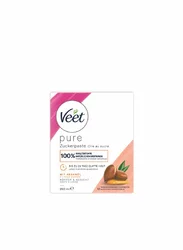
Sugaring is a natural and gentle hair removal method in which a paste made of sugar, lemon juice and water is applied. The paste is spread on the skin and pulled off against the direction of hair growth, removing hairs at the root.
In addition to gentle hair removal, sugaring offers further benefits: it is suitable for sensitive skin as the paste is applied nearly at body temperature, minimising the risk of skin irritation. The ingredients are 100% natural, which largely rules out allergic reactions. Another plus is ecological sustainability, since preparation and application produce little waste, especially if you make the paste yourself.
Sugaring is a versatile method that can be used on almost all body areas, including sensitive regions such as the face and intimate zones. The sugar paste can be used to remove hair from legs, arms, underarms, back and many other places, making it a universal hair removal method.
How does laser hair removal work?
In laser hair removal, specialised laser light is directed at the hair follicles where it is converted into heat. This heat destroys the hair roots so they can no longer regrow.
A key difference between laser treatments and other methods like IPL (Intense Pulsed Light) lies in the type of light. While lasers operate at a single, very precise wavelength, IPL covers a broader spectrum. This makes lasers particularly effective for targeted treatment of dark hairs on lighter skin because the energy is focused directly on the hair root. IPL, with its more dispersed energy, is better suited for larger areas and various hair types but has a less concentrated effect.
What should be considered for laser hair removal?
There are several important points to consider for laser hair removal to ensure a safe and effective treatment.
Before laser treatment it is important to shave the skin but not to wax or epilate, since the laser must target hairs at the root. Also avoid antibiotics and medications that increase light sensitivity and do not tan the treated skin (sun or solarium).
After treatment it is important to avoid direct sun exposure and to use sun protection to prevent pigment changes. Alcohol‑containing products and perfumed lotions should be avoided to prevent additional irritation.
The treatment is largely painless but improper application can lead to side effects such as redness, swelling and in rare cases burns. Therefore it is important that these treatments are performed by qualified professionals.
Permanent hair removal means that treated hairs do not regrow for an extended period, although hormonal fluctuations can stimulate hair growth. Therefore occasional maintenance sessions are required.
Which hair removal method is suitable for sensitive skin?
For people with sensitive skin, choosing the right hair removal method is crucial to avoid skin irritation, redness and ingrown hairs.
IPL devices are a gentle method that can be used on sensitive skin. This technology works with light pulses that continuously measure skin tone to adjust treatment intensity, resulting in a relatively low‑pain experience. Another advantage is that hairs weaken and become finer over time. IPL devices are relatively affordable and allow convenient at‑home treatment.
Sugaring is particularly suitable for sensitive skin because its ingredients are well tolerated and hairs are removed at the root, providing long‑lasting smoothness. It is somewhat more time‑consuming and can be painful, but has the advantage that hairs regrow more slowly and finer.
Modern laser devices, especially diode lasers, are now usable for all skin and hair types, including sensitive skin. Laser treatments must be carried out by trained professionals and are more expensive. They are among the most effective methods for permanent hair removal and are particularly suitable for people seeking a long‑term solution. Newer devices can even treat light and red hairs with low melanin content and are safe for darker skin types as well.
Finding the right method and applying it optimally: tips for hair removal
- Inform yourself about the different hair removal methods such as shaving, epilating, waxing, sugaring, laser and light treatments to choose the method that suits your skin type and needs.
- Wash the skin before hair removal to remove oil and dirt and to facilitate the procedure.
- For methods like waxing, sugaring and epilating, an optimal hair length of about 5 millimetres is recommended.
- Apply a moisturising lotion or a soothing aloe vera gel after hair removal to minimise irritation.
- For wet shaving always use a sharp razor and shave in the direction of hair growth to avoid irritation and ingrown hairs.
- Before using a new method or product, test it on a small patch of skin to prevent allergic reactions or irritation.
- Protect your skin from direct sun exposure after hair removal as it may be more sensitive.
- Always pull off wax or sugar paste against the direction of hair growth to ensure effective hair removal.
- A gentle scrub before hair removal can help prevent ingrown hairs and achieve smoother skin.
- Ensure all tools and devices used are clean and disinfected to reduce the risk of infection.
- Cool the treated area after methods like waxing or epilating to reduce redness and swelling.
- If in doubt or if you have skin problems, consult a dermatologist or a professional aesthetician before trying a new hair removal method.
The choice of the right hair removal method depends on individual needs, skin type and personal preferences, as each method has its own pros and cons. Careful aftercare and regular maintenance are essential to keep the skin healthy and to achieve the best possible result with the chosen hair removal method.