Sun protection
This danger threatens your skin
editorial.overview
UVA and UVB rays: how do they affect our skin?
Sunlight is made up of different types of radiation: visible light, infrared radiation (IR) and ultraviolet radiation (UV). These rays affect not only the skin but can also influence the cells in the body. UVA and UVB rays are particularly dangerous. They have different effects on the skin — and carry risks.
UVA rays account for about 95% of UV radiation. They are long-wave, penetrate deeply into the dermis and can even pass through window glass. They cause quick tanning, but in the long term they have serious consequences: UVA rays damage the genetic material of skin cells, promote premature skin ageing (photoaging) and increase the risk of melanoma (malignant skin cancer). High doses of UVA can also trigger sun allergies.
UVB rays make up roughly 5% of UV radiation. They are more energetic but reach only the outermost skin layer (epidermis) and are barely transmitted through glass. UVB rays are responsible for sunburn, redness and acute skin damage. At the same time they stimulate melanin production (tanning) and vitamin D synthesis. Caution: excessive UVB exposure also significantly increases the risk of skin cancer.
While UVB rays are mainly responsible for sunburn and visible tanning, UVA rays penetrate deeper into the skin and cause long-term damage such as skin ageing and an increased cancer risk. Good sun protection should therefore shield against both types of radiation. A sunburn is essentially a burn of the skin and carries serious risks. Every sunburn increases the chance of developing skin cancer later in life. To prevent this, it is important to apply sunscreen regularly — especially to exposed areas such as the nose, ears and neck.
What types of sun protection are there?
There are two main types of sunscreens with different modes of action and benefits: mineral and chemical.
Mineral sunscreens, often called physical filters, work by forming a barrier on the skin surface. This barrier reflects ultraviolet rays and prevents them from penetrating deeply.
The active ingredients in mineral sunscreens are zinc oxide or titanium dioxide. These minerals sit on the skin as small particles and reflect UVA and UVB rays, providing immediate protection without needing to be absorbed.
They are particularly suitable for people with sensitive skin or skin conditions such as eczema or rosacea, as they generally cause less irritation. They are also more environmentally friendly because they do not contain ingredients like oxybenzone or octinoxate, which can harm coral reefs.
A minor drawback can be that they leave a white cast on the skin, which is especially visible on darker skin tones.
Chemical sunscreens work differently. They penetrate the skin and neutralise ultraviolet rays through a chemical reaction that converts the rays into heat.
They often contain active ingredients such as avobenzone, octinoxate or oxybenzone and should be applied about 15 to 30 minutes before sun exposure to reach their full effect.
They do not leave a white cast and are therefore suitable for everyday use and for darker skin types. They are also more water- and sweat-resistant, making them ideal for sports and swimming. Many chemical sunscreens also contain additional nourishing ingredients like antioxidants that provide extra protection.
Both types offer effective protection against harmful solar radiation and the choice ultimately depends on individual needs and preferences.
What does the sun protection factor mean?
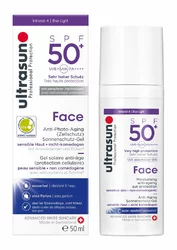
The sun protection factor (SPF) on sunscreens is an important indicator of how long the skin is protected against the harmful effects of UVB radiation, which causes sunburn. The SPF indicates how long you can stay in the sun with the respective product without getting a sunburn. The actual protection time depends on the skin’s natural protection time.
The natural protection time varies. For very fair skin types it is about five to ten minutes, while darker skin types may remain unprotected for up to an hour without apparent harm.
The formula for protection time is: skin's natural protection time multiplied by the SPF. A person with a natural protection time of ten minutes could therefore, in theory, stay 300 minutes (i.e. five hours) outside with an SPF 30 before the skin starts to burn.
However, this time is only a guideline and should not be used to its fullest extent. Dermatologists recommend limiting the maximum time to about two thirds, because sunscreens do not block ultraviolet radiation completely.
Reapplying sunscreen does not extend the protection time; it only restores the protection that has been lost through sweating, swimming or rubbing. The risk of sunburn therefore remains if the protection time is exceeded, even with repeated application.
The SPF is especially important to prevent ageing and skin cancer. UVB rays can cause permanent damage to the skin, increasing cancer risk and accelerating ageing. Dermatologists therefore recommend a high SPF to minimise these risks.
Sunscreens with a high SPF are therefore recommended not only for long stays in the sun but also in everyday life, even on cloudy days. Studies show that regular sun exposure contributes significantly to epidermal ageing and to the development of skin cancer.
Does clothing provide sufficient sun protection in everyday life?
Whether clothing offers sufficient protection depends strongly on the material, colour and density of the fabric. In general, clothing protects the skin from ultraviolet radiation, but not all materials provide the same level of protection. Light-coloured, lightweight fabrics such as cotton or linen are often UV-permeable, while dark, tightly woven fabrics like denim or polyester offer significantly better protection because they transmit less ultraviolet radiation.
How do sunglasses filter UV radiation?
Sunglasses filter UV radiation through special coatings or materials in the lenses that absorb ultraviolet rays and prevent them from entering the eye. This protective layer is independent of the tint of the lenses.
Even clear lenses can offer protection against ultraviolet light. It is important that the sunglasses provide guaranteed protection, identifiable by markings such as „UV 400" or „100 % UV-Schutz". These labels mean the glasses block ultraviolet rays up to a wavelength of 400 nanometres, covering both UVA and UVB rays.
It is a widespread misconception that darker lenses automatically provide better protection. In fact, a dark tint without the appropriate UV filter can even be harmful because it dilates the pupils and lets more UV radiation into the eye. Therefore, when buying sunglasses, always check the indicated UV protection, regardless of lens colour or tint.
Can the skin still produce vitamin D despite sun protection?
The skin can still produce vitamin D despite the use of sunscreens. Many products contain filters that specifically target UVB radiation, since this is necessary for vitamin D formation in the epidermis. They do not, however, block all UVB completely, and often parts of the skin remain uncovered or are not evenly applied. This is usually enough to stimulate the body's vitamin D synthesis.
Studies have shown that normal use of sunscreens does not lead to vitamin D deficiency. Factors such as skin type, age and individual sun exposure influence vitamin D production more than sunscreen use. It is therefore possible to protect against harmful UV radiation and still produce the necessary amount of vitamin D.
Sun protection: how to protect your skin from invisible sun traps
- The sun reaches its strongest intensity around midday. Plan outdoor activities so that you stay as much as possible under an umbrella or in the shade, especially during midday when UV radiation is most intense. The current UV index can be checked in the weather report or online — this helps you better adapt your protection needs.
- Clothing is the simplest form of sun protection. Wear tightly woven fabrics and a hat that also protects the face, ears and neck. Shoes should cover the instep to provide the best possible protection.
- UV radiation can damage the eyes and, over time, contribute to cataract formation. Wear sunglasses with UV-400 protection and side protection to shield your eyes from harmful rays.
- Apply sunscreen to all uncovered skin areas. Choose at least SPF 30 for children and at least SPF 20 for adults. Apply half an hour before sun exposure and reapply several times a day for prolonged stays.
- Water reflects UV radiation and increases the risk of sunburn. Wear a T-shirt in the water or special UV swimwear and reapply sunscreen after each water exposure.
- Certain medications and cosmetics can cause skin reactions when combined with UV radiation. Ask your doctor about side effects and avoid perfumes and deodorants while sunbathing.
- Tanning beds are not a safe substitute for natural sunlight and harm the skin by increasing UV exposure. Let your skin adapt gradually to sunlight instead, and avoid direct sunbathing at the start of the season.
- Children's skin is particularly sensitive. Babies should never be exposed to direct sunlight and children should always wear appropriate protective clothing and sunscreen with a high SPF (at least SPF 30). A visual shield, such as a sun sail or parasol, is ideal for children playing outdoors to protect them from direct sun exposure.
- Up to 50% of sunlight reaches the skin in the shade by reflection from water, sand or snow. A safe level of protection is therefore essential even in the shade.
- The UV index informs you about the risk of sunburn for a given day. Check the index in your region and adjust your protection accordingly.
- Sweating, swimming and towelling dry reduce the effectiveness of sunscreen. Apply a new layer every two hours to maintain protection.
- After a day outside, the skin needs moisture and protection from free radicals. After-sun products with antioxidants such as vitamin E and Q10 help to soothe and regenerate the skin.
Sun protection is more than just a summer product — it protects the skin all year round from harmful UV radiation. Daily use of sun protection can not only prevent sunburns but also slow skin ageing and significantly reduce the risk of skin cancer. Thus, sun protection becomes an indispensable part of daily skin care for healthy, radiant skin.