Hydrolats
Liquid floral power for everyday use
What are hydrolats?
Hydrolats, also called floral waters or plant waters, are delicate, fragrant liquids produced during the manufacture of essential oils. When plants are distilled with hot steam, their aroma and active constituents are released. On cooling, the distillate separates into two layers. The essential oil floats on top, while the clear plant water containing valuable water‑soluble components and tiny traces of essential oil remains below.
These gentle plant waters contain the plant's essence in a mild form. They have a subtle scent, feel pleasant and are well tolerated, even by sensitive skin. Each hydrolat is unique depending on the plant part used. In aromatherapy, hydrolats are valued because they preserve the plant's power in its most natural and gentle form.


How are hydrolats made?
Hydrolats are produced by a fascinating method: steam distillation. Water is heated in a special boiler until steam forms. This hot steam rises and passes through the plant material placed in a basket. The plants do not touch the water directly. The steam opens tiny oil glands and carries off the slightly volatile, water‑soluble constituents of the plant, including aromatic and active substances.
Next, the steam enriched with plant compounds enters a cooling device. There it condenses into a liquid made up of two parts: an essential oil and a hydrolat.
Both separate naturally. The oil floats on top while the hydrolat collects beneath. In a so‑called Florentine bottle or a separatory funnel the hydrolat can then be cleanly separated and collected.
This process is applied to many plant parts, including flowers, leaves, needles and resins. The result is a pure, fragrant plant water that naturally and gently carries the fine, water‑soluble essences of the original plant.
How are hydrolats used?
Hydrolats are true multitaskers and can be used in many ways — gently, naturally and with a touch of freshness.
In skincare they can be sprayed directly onto the face and body or applied with a cotton pad. In the morning they refresh the skin and prepare it well for make‑up. During the day they provide a burst of freshness and envelop the skin with a fine scent. In the evening they help remove makeup gently and soothe the skin. They are also suitable for babies, for example for gentle cleansing or to ease discomfort from teething or colic.
Besides external use, certain high‑quality, food‑grade hydrolats can also be taken internally. These plant waters, being water‑based, can be consumed neat or diluted with water. This allows the plant's positive properties to be used effectively. In particular, for mouth and throat complaints they are used as mouthwash or for gargling to relieve gum inflammation, pain or bad breath.
Hydrolats are also used in aromatherapy and to promote well‑being. They can be distributed as gentle room fragrances via cold ultrasonic diffusers. This creates a harmonising and calming atmosphere suitable for children as well.
Furthermore, hydrolats enhance the kitchen by adding a fine, natural note to drinks, salads and desserts. It is advisable to add them just before serving to preserve their flavour and effects as best as possible. In this way hydrolats combine scent, care and enjoyment in a gentle manner.
What should you watch for when using hydrolats?
Compared with essential oils, hydrolats are fundamentally milder and show very good skin tolerance. Therefore they can usually be used without major precautions. Nevertheless, some hydrolats require caution, especially when taken internally or by sensitive groups such as pregnant women and young children under three years.
Some plant waters contain components such as camphor or phenols, which can cause undesired effects in sensitive individuals or in combination with certain medications. In such cases it is advisable to seek medical advice before use to avoid possible interactions, for example with blood thinners or antiepileptic drugs.
Some hydrolats can, at high concentration or with incorrect use, cause skin irritation. Hydrolats from cinnamon, thyme or savoury in particular are known to produce tingling in sensitive people or even temporary skin irritation. Even if such side effects are rare, they should not be underestimated and dosing must be observed.
In addition, certain plant waters, for example from citrus fruits, are slightly photosensitising. After application direct sunlight should therefore be avoided to prevent skin damage.
The long‑term or exclusive oral consumption of a hydrolat from the same plant species over several months should also be approached with care. To minimise health risks, it is advisable to consult an experienced pharmacist or aromatherapist before starting prolonged use. Despite their mild and non‑toxic nature, hydrolats must not be used without professional advice to treat serious illnesses. They are intended rather as gentle support within a holistic care approach.
How long do hydrolats keep?
The shelf life of hydrolats depends strongly on their quality. This is determined by purity, careful distillation and bottling, and the use of plant material of organic or natural quality. High‑quality hydrolats are usually 100% pure and free from preservatives.
However, many commercially available hydrolats are mixed with alcohol or other preservatives, so it is advisable to check the label carefully when purchasing. Hydrolats are aqueous solutions and are therefore generally more delicate than essential oils and more susceptible to bacterial contamination.
To maximise shelf life, hydrolats should be stored cool, protected from light and tightly closed. Ideally keep them in tinted bottles and protect them from large temperature fluctuations, for example from direct sunlight.
Under these conditions, good‑quality hydrolats can be stable for up to two years, sometimes even longer. Nevertheless it is recommended to use them within six to twelve months after opening to ensure the best possible quality and minimise the risk of microbial contamination.
It is important to note that the scent of a hydrolat can change over time, similar to a wine that matures. This change does not necessarily mean a loss of quality as long as the aroma remains plant‑like. If the hydrolat smells sour or vinegary, this indicates contamination and the product should no longer be used. Sensory inspection is thus a useful indicator of freshness and integrity.
How do I make a hydrolat myself?
To make a hydrolat yourself you need various plant parts, for example flowers, leaves or bark. You also need about 200 millilitres of water, a pot with lid and a sieve or a steam insert that fits into the pot and leaves some distance from the bottom. A cup or bowl is placed in the sieve to catch the plant water later.
First pour water into the pot, then place the sieve with the cup inside. Then arrange the plant parts around the cup so that they do not come into contact with the water. After that put the lid on the pot.
The water is gently heated; it should only produce light steam and not boil vigorously. The steam condenses on the inside of the lid and drips as hydrolat into the cup. The finished plant water is then poured into dark, sealable bottles to keep it fresh. If desired, you can add a little alcohol. This extends its shelf life, sometimes beyond one year.
A simple alternative is preparation with a stovetop espresso maker. The plant parts are placed in the compartment where ground coffee would normally go. Water is filled into the lower chamber. After heating, the hydrolat is ready in a few minutes and can be used. This method is particularly practical for making small amounts.
Hydrolats: use plant power gently and safely
- When buying hydrolats, always ensure that both the common name and the botanical name of the plant are clearly stated on the label. Only then can you be sure you are getting the desired product in the correct quality.
- Find out about the plant material used. Whether leaves, flowers, bark or fruits are used affects the hydrolat's action and should be indicated on the product.
- Only hydrolats produced by steam distillation correspond to the true raw material quality. Ensure this is clearly stated on the product and that it is not an extract or infusion.
- Check whether essential oils are present in the hydrolat. A hydrolat that still contains traces of essential oils is considered particularly high quality. This combination enhances the effect and provides a natural scent, but may increase the price slightly.
- Store your hydrolats in the dark and cool, ideally between 8 and 13 degrees Celsius. This will keep the plant water fresh and effective for months.
- Avoid temperature fluctuations as they can cause condensation in the bottle, making the hydrolat more susceptible to germs and accelerating spoilage.
- If you notice your hydrolat appears cloudy or milky, this is not necessarily a sign of spoilage. Often small plant particles cause turbidity — an indication of concentration and quality.
- Use spray bottles instead of open containers. A pump spray prevents contact with oxygen and bacteria. This is more hygienic and preserves the hydrolat's quality for longer.
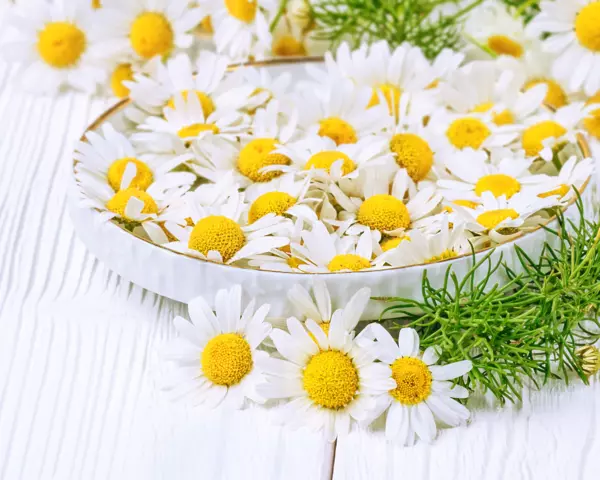
- Choose hydrolats appropriate for your skin type. Witch hazel hydrolat soothes sensitive and irritated skin, while rosemary hydrolat has a clarifying effect on oily skin. Chamomile hydrolat is ideal for redness or dry skin.
- Use hydrolats for gentle aromatherapy. For colds or respiratory complaints certain hydrolats can be inhaled. They act mildly, soothe and are suitable for sensitive individuals as well.
- Keep an eye on the scent. A changed but still plant‑like smell is normal. However, if your hydrolat smells sour or vinegary, it is likely spoiled and should no longer be used.
- Avoid adding alcohol if you want pure quality. A true hydrolat contains no perfumes or alcohol unless it has been explicitly preserved. Additives reduce naturalness and can irritate sensitive skin.
Hydrolats are natural, versatile plant waters with gentle yet effective care properties and a pleasant scent. With the right knowledge about quality, storage and use, you can enjoy these precious natural products safely and sustainably. This way you can benefit from the soothing impulses of plants every day in a natural way.