Ingrown hairs
When hairs really hurt
editorial.overview
What are ingrown hairs?
Ingrown hairs are hairs that grow under the skin rather than piercing the surface. This phenomenon commonly occurs when a hair curls or grows in the wrong direction so that it penetrates the epidermis. It can lead to irritation, inflammation and small, pimple-like bumps that are often painful.
Why do ingrown hairs occur?
Ingrown hairs occur when the natural growth process is disrupted and the hair can no longer grow outwards as usual.
One of the most common causes is hair removal. Shaving, epilating or plucking can break the hair so that it grows back with a sharp edge and embeds into the skin. People with curly or coily hair are particularly at risk because these hair types are more likely to curl and grow in the wrong direction.
Clogged hair follicles also play a major role. Dead skin cells, dirt particles or sebum can block the pores, preventing hairs from finding a way out and leaving them trapped beneath the epidermis.
In addition, external factors such as friction or pressure affect the risk. Tight clothing or bandages press hairs against the skin so they can catch at the surface or grow into neighbouring hair channels. This is particularly common in areas such as the toe joints, underarms or bikini area, where the skin is constantly moving and hair channels can deform. In such cases the hair grows out of the curved hair channel into the surrounding tissue, which is not only uncomfortable but also increases the risk of infections or abscesses.
Hormonal changes can also favour ingrown hairs. An excess of sex hormones often leads to increased hair production, raising the risk of growth irregularities.
Which exfoliant helps against ingrown hairs?
An exfoliant can be an effective method to treat and prevent ingrown hairs. It helps remove dead cells and open the pores so hairs can grow upwards unimpeded.
Gentle mechanical exfoliants such as body scrubs or exfoliating gloves are suitable for use and can be used to gently massage the affected areas. This smooths and cleans the skin, reducing the likelihood of ingrown hairs.
In addition, chemical exfoliants can provide valuable support. Products with fruit acids such as AHA (alpha-hydroxy acid) or BHA (salicylic acid) are particularly effective because they penetrate deeply into the pores and free them from impurities.
While AHA acids mainly renew the upper skin layers, BHA, due to its oil-soluble properties, works especially well on clogged pores and inflamed areas. These exfoliants are an ideal complement to mechanical measures and help remove ingrown hairs effectively and prevent future problems.
It is important that the epidermis is adequately moisturised after exfoliation so it remains supple and no new irritation develops.
Why do ingrown hairs occur so often in the intimate area?
They occur particularly often in the intimate area, where the combination of sensitive skin and the thick, often coily structure of pubic hair creates ideal conditions. Thick hairs tend to curl again after removal and penetrate the skin instead of growing straight outwards. Shaving, epilating or plucking can especially encourage this, since hair tips are cut or altered sharply, increasing the risk.
Another factor is the build-up of dead skin cells. In the genital area, where the skin is often less ventilated and covered by clothing, dead cells can accumulate more easily and block hair follicles. This hinders natural hair growth and can trap hairs beneath the skin.
In addition, friction from tight clothing can worsen the problem. Constant pressure or rubbing causes hairs to grow in the wrong direction. Compared with other body areas such as the legs, where hairs are usually finer and smoother, the risk of ingrown hairs in the intimate area is therefore significantly higher.
Can an ingrown hair turn into a spot?
Yes, an ingrown hair can develop into a spot if it is not treated. What initially appears as a small red bump can worsen due to inflammation. The area often becomes larger, redder and may cause pain. In some cases the lump even fills with pus as the body tries to fight the ingrown hair like a foreign body. This inflammatory skin problem must be monitored and treated carefully to avoid further complications such as abscesses or scarring.
When should you see a doctor for ingrown hairs?
In most situations ingrown hairs can be treated at home without problems, but in some cases it is advisable to see a doctor.
If the inflammation or pain does not subside after a few days or even worsens, this may indicate a more serious infection. Particularly alarming symptoms are severe redness, pus formation or fever, which can indicate advanced inflammation or abscess formation.
It is also advisable to see a dermatologist if hairs repeatedly ingrow at the same spot. Recurring problems can indicate a deeper cause that requires specific treatment. In such situations a doctor can not only properly open and clean abscesses but also prescribe antibiotics or safely remove stubborn hairs.
If in doubt or concerned, it is always a good decision to seek medical advice to protect the health of your skin.
Ingrown hairs: how to treat and prevent them properly
- Exfoliate your skin 2-3 times a week with a gentle product. This removes dead skin cells, keeps pores clear and allows ingrown hairs to grow out more easily. Use exfoliants containing ingredients such as salicylic acid or glycolic acid for optimal results.
- A warm compress on the affected area helps soothe the skin, open the pores and soften the hair. Place a warm, damp cloth on the skin for 10-15 minutes to make it easier to release the ingrown hair.
- Tea tree oil has anti-inflammatory and antibacterial properties. Dilute it with water and apply gently to the affected skin to reduce redness and swelling.
- Moisturise after hair removal with a hydrating cream to keep the skin supple. Especially after a warm bath or exfoliation, the skin is more receptive to care ingredients.
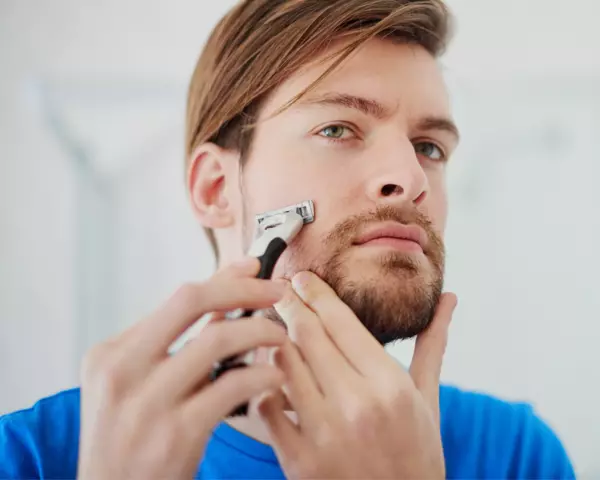
- Always shave in the direction of hair growth and use a sharp, clean razor blade. Dull blades tear the hairs out, increasing the risk of ingrown hairs. Stretch the skin during shaving for a clean result.
- Tight clothing after hair removal can irritate the skin and promote ingrown hairs. Instead, wear breathable, loose fabrics to avoid friction.
- Take a warm shower or apply a warm cloth to the skin before shaving. This opens the pores and softens the hairs so they are easier to remove.
- Make a scrub from 1 tablespoon of coffee grounds and 2 tablespoons of honey. Massage the mixture gently into the skin and rinse off after 2-3 minutes with warm water. This scrub removes dead cells, boosts circulation and nourishes the skin.
- Mix sugar and honey into a grainy paste. Apply it to the affected area and massage in circular motions. This natural exfoliant cleanses the skin, provides moisture and reduces irritation.
- Apply apple cider vinegar to irritated skin, leave it on for a few minutes and then rinse with warm water. Apple cider vinegar has anti-inflammatory properties, helps balance the skin's pH and soothes irritation.
- Brew a cup of black tea and let it cool. Soak a cotton pad or cloth in the tea and place it on the irritated skin for 10 minutes. The tannins in the tea help relieve redness and regulate skin pH.
- Include foods such as pumpkin seeds, nuts, cheese and wheat germ in your diet. These zinc-rich ingredients strengthen skin and hair from the inside and reduce susceptibility to ingrown hairs.
- If ingrown hairs are persistent or become inflamed, see a dermatologist. They can recommend appropriate measures to resolve the problem long term.
Ingrown hairs often result from improper hair removal techniques or insufficient skin care. To reduce the risk, hairs should always be removed in the direction of growth and the skin regularly cared for with moisturising products. In persistent cases, dermatological measures or specific exfoliations can help clear the skin and prevent further problems.