
Polyphenols
The healthy boost for your immune system
editorial.overview
What are polyphenols?
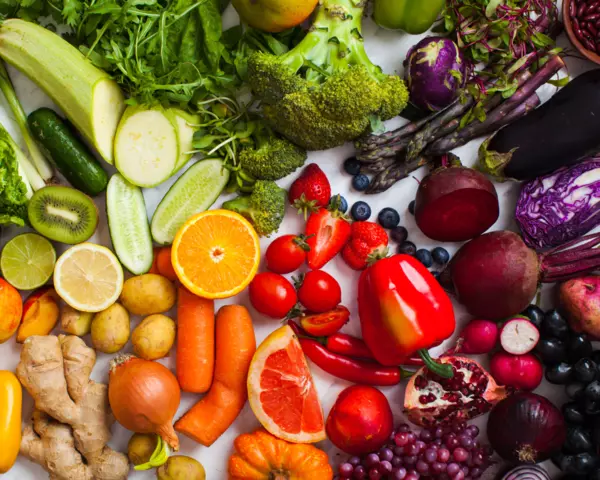
Polyphenols are a diverse group of secondary plant compounds found in many plant‑based foods and often contribute to the colour and sometimes the taste of those plants. These substances are not required by the plant for growth and development, but primarily serve as protective mechanisms. They help the plant defend itself against pests and disease and adapt to environmental factors such as UV radiation.
Polyphenols are frequently concentrated in the outer layers of the plant, such as the skin, where they can be especially effective at protecting against external influences.
Polyphenols – what subgroups of these protective compounds exist?
Polyphenols are a group of bioactive plant compounds that can be divided into several subgroups, each with specific health‑promoting properties. One of the largest and best‑known groups are flavonoids, which include numerous subgroups such as flavanones, isoflavones, chalcones, anthocyanins and others. They are found in many fruits and vegetables, tea, cocoa, coffee and soy.
Another subgroup comprises phenolic acids like caffeic acid and ferulic acid, which occur in foods such as coffee, whole grains and fruit. These polyphenols support antioxidant processes and are known to help reduce the risk of chronic diseases and to aid digestion.
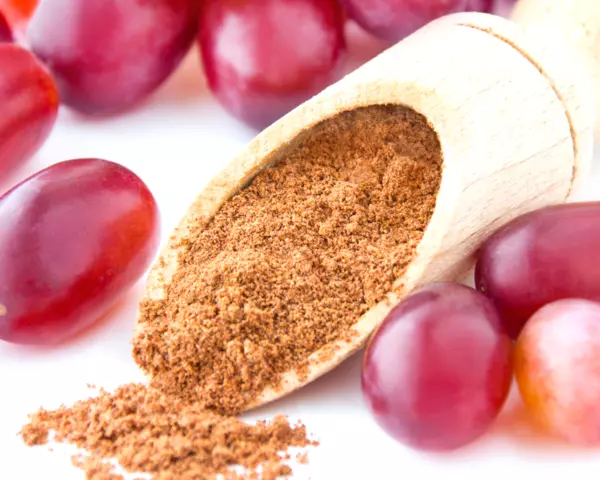
Stilbenes form another subclass; their best‑known representative is resveratrol, present particularly in red grapes and wine. Resveratrol has anti‑inflammatory effects and offers cardiovascular protection. Lignans are another group of polyphenols, found mainly in flaxseed, sesame and whole grains. Lignans influence hormonal processes and may reduce the risk of hormone‑dependent cancers.
Finally there are tannins, found in tea, grapes and certain fruits such as apples and pomegranates. These polyphenols have anti‑inflammatory and cell‑protective properties that strengthen the immune system and support cellular health.
What effects do polyphenols have on the body?
Polyphenols exert a wide range of positive effects in the body, supported by numerous studies. They protect cells from oxidative stress by reducing the formation of free radicals caused by unfavourable factors such as poor diet, smoking or stress. This helps slow down the ageing process and can lower disease risk. A diet high in polyphenols is also associated with a reduced risk of certain cancers, particularly in organs such as the lung, skin, colon, breast and prostate.
In addition, polyphenols act antimicrobially, antivirally and antibacterially, meaning they inhibit the growth of harmful microorganisms and can help fight infections. They also have anti‑inflammatory effects that protect the skin and internal organs from inflammatory processes. Other benefits include positive effects on the cardiovascular system, since polyphenols help protect blood vessels and regulate blood pressure, thereby reducing the occurrence of cardiovascular disease.
Polyphenols also have neuroprotective effects that may lower the risk of neurodegenerative diseases such as Alzheimer's. By supporting the immune system and helping regulate blood sugar levels, they contribute to overall health. They promote a healthy gut flora and help prevent dysbiosis, which benefits digestion and the immune system.
Antioxidant shield: how do polyphenols affect the skin?
Polyphenols form an antioxidant shield for the skin and produce a variety of beneficial effects. Through their strong radical‑scavenging properties, they neutralise free radicals generated by factors such as UV exposure, environmental pollution or stress, which can accelerate skin ageing. These harmful molecules attack the collagen framework and skin cells, leading to wrinkles and loss of elasticity. Polyphenols counteract this and help maintain a youthful skin appearance.
Furthermore, polyphenols have anti‑inflammatory properties that can be beneficial for skin issues such as redness, itching or blemishes. Applied topically in creams and serums or obtained through the diet, they can help improve skin appearance and soothe irritations. Another protective mechanism of polyphenols is their antimicrobial action, which helps fend off harmful microorganisms and stabilise the skin's natural flora. This microflora acts as a barrier against pathogens and environmental stressors, making the skin more resilient.
In addition, polyphenols promote the microcirculation of the skin, especially substances like flavonoids and anthocyanins from grapes. Improved blood flow supports the supply of nutrients and oxygen to skin cells, producing a fresh, rosy complexion. Polyphenols also help inhibit the breakdown of hyaluronic acid, which preserves skin moisture and protects against dryness. Overall, polyphenols support healthy, radiant skin.
Polyphenols in wine: do they promise health benefits?
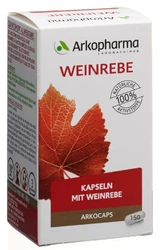
Polyphenols found in grapes affect the colour, flavour and texture of wine. In particular, resveratrol in red wine is studied for its potential health benefits, such as supporting the cardiovascular system and strengthening the immune system. This antioxidant effect helps neutralise harmful free radicals and can also have anti‑inflammatory properties. Polyphenols such as OPC (oligomeric procyanidins) are even used in dietary supplements and promise benefits for skin, kidneys and eyes — without alcohol.
Polyphenols also play an important role in winemaking. Longer maceration times increase their content, and ageing in wooden barrels imparts additional aroma compounds to the wines. Because of its alcohol content, wine should, however, always be consumed in moderation, as excessive consumption carries health risks.
Which oil contains the most polyphenols?
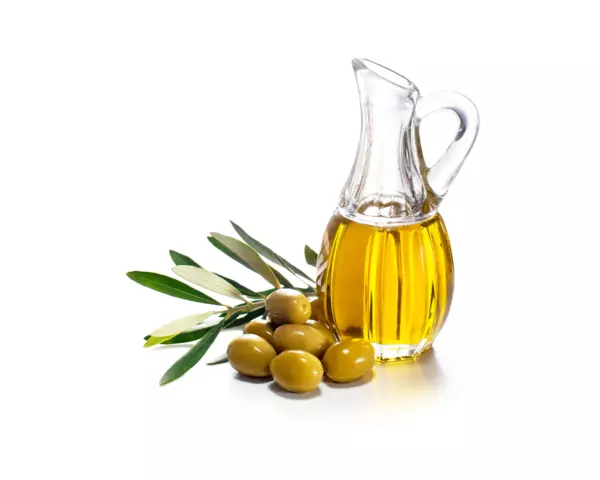
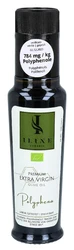
High‑quality extra virgin olive oil is notable for a high polyphenol content, which can reach up to 500 mg of polyphenols per kg depending on quality and origin. Particularly high levels are found in oils from olive varieties such as Coratina and Koroneiki, produced from early‑harvested green olives.
The polyphenol content is also influenced by harvesting methods and gentle processing. Cold pressing is crucial because it preserves more polyphenols than refined oils, where much of these valuable compounds are lost. Polyphenol‑rich olive oils are characterised not only by intense bitterness and pungency, but also by numerous health benefits such as protection against oxidative stress and a positive effect on the cardiovascular system.
How to load up on health‑promoting polyphenols: useful tips
- Eat a handful of dark berries daily, such as blueberries, blackberries or raspberries. They are particularly rich in polyphenols and act as powerful antioxidants.
- Choose seasonal fruit — apples, plums and cherries are excellent sources of polyphenols.
- Black and green tea contain 102 mg and 89 mg of polyphenols per 100 ml, respectively. If tea is prepared with boiling water, the polyphenol content increases, producing a more astringent‑bitter flavour.
- Enhance your dishes with spices like cloves, cinnamon or peppermint to increase the polyphenol content of your diet.
- Consume artichokes and spinach regularly; they are rich in polyphenols. Prepare them as a side dish or in salads.
- Use raw cocoa powder in smoothies or baked goods to boost your polyphenol intake. Raw cocoa powder contains 3,448 mg of polyphenols per 100 g. Note, however, that adding milk can reduce the effect.
- A small piece of dark chocolate with a high cocoa content (at least 70 %) is also an option to benefit from polyphenols. Flavanols, present in high concentrations in cocoa and berries, help lower blood lipids and can act as antioxidants against cancer. These foods also contribute to maintaining a stable polyphenol concentration in the body.
- Both raw and roasted nuts are rich in polyphenols, especially hazelnuts, pecans, walnuts and almonds.
- Use star anise as a spice in soups, teas or desserts to increase polyphenol intake.
- Coffee also contains polyphenols, particularly when consumed without milk.
- Polyphenols have a synergistic effect with vitamin C and can enhance its absorption.
- If you have difficulty eating enough polyphenol‑rich foods, you may consider supplements in capsule form. Pay attention to quality and dosage.
The impressive impact of polyphenols on our health demonstrates how valuable these plant compounds are. They help us stay fit and vital while protecting us from many stressors.