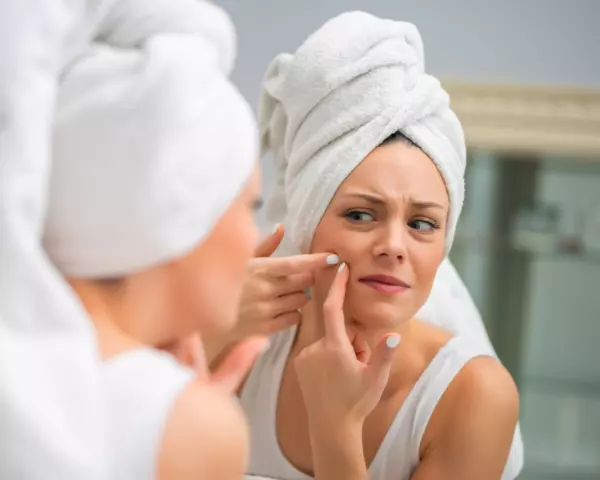
Pigmentation spots
These spots tell a story
How do pigmentation spots form?
Pigmentation spots form due to an overproduction of melanin, the pigment that determines skin colour. This overproduction is often triggered by intense sun exposure, as the body attempts to protect itself from harmful UV rays. Areas frequently exposed to the sun—such as the face, backs of the hands and arms—are particularly affected. In addition to sun exposure, age, hormonal changes and genetic predisposition can contribute to these skin changes.
There are different types of pigmentation spots. Genetically influenced spots include freckles, which become more pronounced with sun exposure and fade in winter. Age spots, also caused by ultraviolet rays, appear more often with advancing age and concentrate in sun‑exposed areas.
Another example is melasma, also known as the pregnancy mask. This hyperpigmentation is caused by increased oestrogen levels, for example during pregnancy or when taking hormone treatments. Dark, irregular patches typically form on the face. They often fade after stopping the pill or after childbirth.
Post‑inflammatory hyperpigmentation occurs after injuries or skin inflammation such as acne or eczema. Without appropriate care, the skin can remain permanently darker. Certain illnesses or medications can also lead to pigmentation disorders.
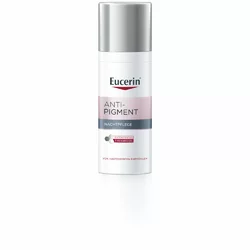
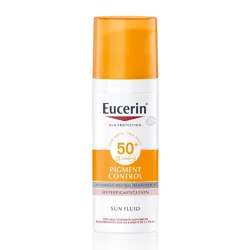
The best protection against pigmentation spots is to avoid excessive sun exposure. Regular application of high‑SPF sunscreens and protective clothing reduces the risk. Existing spots can be lightened and further formation prevented with specialised skincare products containing active ingredients such as Thiamidol.
Can pigmentation spots on the face be removed?
Complete and permanent removal of pigmentation spots on the face is not always guaranteed, as new spots can reappear due to external influences, particularly UV radiation. However, various treatment methods can significantly reduce existing pigmentation disorders.
Among the most effective methods are laser treatments and pulsed light therapies (IPL). Light is directed at the affected skin, heating and destroying pigment cells. Pigment residues are then transported away via the lymphatic system. Multiple sessions spaced several weeks apart are often required for optimal results.
Creams containing active ingredients such as vitamin C, retinol or hydroquinone can also help to lighten the skin. They stimulate cell renewal and, with regular use, reduce the visibility of spots. Chemical peels and microdermabrasion provide additional options by removing the top skin layer and promoting epidermal regeneration.

Can pigmentation spots be treated during pregnancy?
Pigmentation spots that appear during pregnancy often fade on their own after childbirth. If they persist, there are treatment options to consider after pregnancy, as not all methods are suitable for pregnant women.
Promising options include chemical peels, which remove the superficial skin layer and promote more even pigmentation, as well as laser and IPL therapies to reduce spots. These procedures should be performed by a dermatologist to minimise the risk of skin irritation or repigmentation.
A less invasive alternative is creams with skin‑lightening ingredients such as azelaic acid, vitamin C or niacinamide, which regulate melanin production and can fade spots. During pregnancy, certain actives such as retinoic acid and hydroquinone should be avoided because of possible risks.
Can existing pigmentation spots darken in the sun?
Yes, existing pigmentation spots can indeed darken due to sun exposure. Hyperpigmentation results from increased melanin production triggered by various factors. These include not only sunlight but also medications, cosmetics or prolonged pressure on the skin.
A typical example is freckles, common in people with fair skin (skin type 1–2) after intense sun exposure. These spots usually fade when exposure decreases. However, UV radiation can both promote the formation of new pigmentation spots and intensify existing ones, making them appear darker. Therefore, it is important to use suitable sun protection when pigmentation spots are present to avoid worsening the skin condition.
Which ingredients work against pigmentation spots?
Pigmentation spots can often be treated effectively with cosmetic products, but patience and consistent use are crucial. Melanin can be stored in the skin for years, so immediate disappearance of spots is unrealistic.
Chemical peels that stimulate cell regeneration are one option. Alpha‑hydroxy acids (AHA) and beta‑hydroxy acids (BHA) are two important actives. AHAs, often in the form of glycolic or lactic acid, promote the shedding of the top skin layers and leave a fresh, even appearance. BHAs, such as salicylic acid, also have anti‑inflammatory properties and are particularly helpful for blemishes. Both acids are best applied in the evening because they increase skin sensitivity and effective sun protection is essential during the day.
Another effective ingredient is azelaic acid, which acts as a mild peel and more quickly removes brown discolouration from skin cells. It refines pores and protects against free radicals. Niacinamide (vitamin B3) has a brightening effect on pigmentation spots by regulating melanin production and reducing the transfer of melanin to the upper skin cells.
Retinol, a form of vitamin A, accelerates cell turnover and helps reduce pigmentation spots and wrinkles. It should also be applied at night because skin sensitivity is higher during the day. Products containing licorice root extract and kojic acid can also contribute to melanin reduction by inhibiting the conversion of tyrosine into melanin. Vitamin C is not only a powerful antioxidant but can also help prevent and lighten existing spots.
Home remedies for pigmentation spots: practical tips
- Pat the affected areas three times daily with fresh lemon juice. The citric acid it contains has lightening properties and, with regular use, may help reduce pigmentation spots.
- Apply apple cider vinegar twice daily with a cotton pad to clean skin. Allow it to absorb fully. Dilute 1:1 with water on sensitive skin to avoid irritation.
- Soak a gauze pad in buttermilk and place it on the affected area for about 20 minutes. The lactic acid it contains is gentle on the skin and can help lighten spots.
- Puree the flesh of a ripe papaya and apply the pulp to the affected areas. Leave on for about 30 minutes before rinsing. The papain in papaya has lightening and regenerating effects.
- Place a fresh garlic clove, cut side down, on pigmentation spots for about 10 minutes. Garlic constituents may help lighten the colour.
- Cut a potato lengthwise and rub the cut surface over pigmentation spots. Enzymes in the potato have a mild bleaching effect.
- Follow a diet rich in vitamin C, for example by eating peppers and citrus fruits. Vitamin C can help reduce hyperpigmentation.
- To prevent new pigmentation spots, apply sunscreen daily to the face, arms and décolleté. UV radiation can worsen existing spots.
- Try new home remedies cautiously. Observe your skin's reaction when using a remedy for the first time and test it on a small area, e.g. behind the ear or on the neck.
- Keep in mind that treating pigmentation spots takes time. Be consistent and patient to achieve the best results.
- After using home remedies, always apply a moisturiser to protect the skin from drying out.
- Incorporate fruit acids into your skincare routine to help regulate skin pigment and reduce the appearance of senile warts. These mild approaches help modulate melanocyte activity and promote a more even skin tone. Combined with effective sun protection and regular skin checks, they may also help reduce the risk of skin cancer in women.
- Note that not all home remedies suit everyone. What works for one person may not work for another.
Although pigmentation spots do not always disappear completely, their visibility and development can be significantly minimised with the right strategy. Consistent sun protection, targeted care and patience are key to sustainably improving the skin's condition.