Runny nose
Why breathing sometimes feels difficult
What functions does the nasal mucosa perform?
The nasal mucosa plays an important role as a barrier between the human body and the outside world. It warms, filters and humidifies thousands of litres of air every day without us noticing. A runny nose, also called rhinitis, occurs when the nasal mucosa is inflamed, either acutely or chronically.
How do cilia protect the airways?
The entire surface of the respiratory mucosa is covered with cells that have movable hair‑like structures on their surface. These cilia have the important task of transporting foreign particles such as dust and allergens away. This keeps our airways clean. The cilia move these particles in waves towards the throat, so they can be coughed up more easily. Often foreign particles do not even reach the throat because a sneeze expels them prematurely.
When the nasal mucosa dries out, for example from heated indoor air, the cilia stick together and the nose's cleansing function is impaired. Pathogens such as bacteria and viruses can then settle on the mucous membranes. An inflammatory reaction follows: the mucosa swells and mucus production increases. The nose runs or becomes blocked.
How does a runny nose (rhinitis) develop?
The common acute runny nose is often associated with respiratory infections caused by viral or bacterial infections. In dry, heated rooms and in cold outdoor temperatures our nasal mucosa tend to dry out, which favours the entry of pathogens and can trigger inflammation. This causes the familiar nasal discharge.
The secretions are usually clear, similar to allergic rhinitis. Affected people often feel tired and worn out, accompanied by headache and muscle aches.
What are the most common pathogens?
Rhinoviruses and coronaviruses, but also other viruses such as myxo-, Coxsackie- or parainfluenza viruses are the most frequent agents of colds and rhinitis. They are mainly transmitted via droplet infection, for example when a person with a cold sneezes near another person.
Transmission can also occur by contact (contact transmission). For example, if a person with a cold blows their nose or sneezes into their hand and then touches a door handle or a rail on public transport, viruses are transferred to these surfaces. A healthy person can then become infected if they touch that spot and then put their hand to their mouth or nose.
What forms of rhinitis are there?
In medicine, rhinitis is classified as acute or chronic depending on its duration. An acute rhinitis is often caused by cold viruses, especially when the immune system is weakened, e.g. by chilling, poor nutrition or psychological factors such as stress. A bacterial infection (secondary infection) often occurs in addition and may be noticeable by the production of yellowish‑green mucus when sneezing or coughing. Compared with acute rhinitis, chronic, persistent rhinitis is more difficult to treat.
Besides the common acute rhinitis, there are other forms. These include allergic rhinitis, such as hay fever, triggered by allergens. Drug‑induced rhinitis, also called rhinitis medicamentosa, occurs as a reaction to certain medications. Gustatory rhinitis appears after eating spicy foods, and vasomotor rhinitis is a form caused by disturbed regulation of the blood vessels in the nasal mucosa.
There are various triggers for vasomotor rhinitis, also referred to as idiopathic, non‑infectious or non‑allergic rhinitis. These include moving from a warm room to cold outdoor temperatures, drinking hot beverages or alcohol and stress. This form includes subgroups such as senile rhinitis, gravid rhinitis and rhinitis medicamentosa. Overreaction to certain triggers such as temperature changes, stress, certain foods (e.g. spicy seasonings) or environmental pollutants leads to temporary dilation of blood vessels in the chronically inflamed nasal mucosa, accompanied by sneezing and watery nasal discharge. The exact cause is often unknown and the precise mechanism has not yet been fully clarified.
Allergic rhinitis can occur seasonally, as in hay fever, or year‑round. Triggers include house dust mites (dust allergy), animal dander (e.g. cat allergy), mould spores (mould allergy) or certain foods (food allergy). Swelling of the nasal mucosa, watery‑clear nasal secretions and sneezing attacks with itching characterise allergic rhinitis. Over time the nasal mucosa often dries out. Allergic rhinitis frequently occurs together with conjunctivitis.
A number of toxic or irritating substances in the environment, including at the workplace, can cause rhinitis. In medical terminology this is called toxic‑irritative rhinitis. Potential triggers include sulphur dioxide, carbon dioxide, carbon monoxide, ozone, cigarette smoke, solvents, pesticides, metals, varnishes, paints, disinfectants and dusts.
Hormonal changes, for example during pregnancy, puberty, menopause, in acromegaly (excess production of growth hormone somatotropin) or in hypothyroidism, can also trigger susceptibility to respiratory infections. In medical terminology this condition is referred to as hormonal rhinitis.
Inflammation of the nasal mucosa in rhinitis can often extend to the mucosa of the paranasal sinuses. The increased accumulation of mucus during a cold provides an ideal breeding ground for germs. Inflammations can develop and spread easily to the sinuses. When rhinitis and sinusitis occur together, clinicians refer to this as rhinosinusitis.
How to avoid complications: the most effective tips
- If it is a simple cold, it will usually resolve on its own within one to two weeks and does not need specific treatment. Symptomatic treatment with decongestant nasal sprays, analgesics and antipyretics can, however, help relieve symptoms. Since acute rhinitis is usually caused by viruses, antibiotics are generally not necessary and should only be prescribed when bacterial complications are suspected.
- Drinking enough fluids helps keep nasal secretions thin. There is no strong scientific evidence that drinking more than usual positively influences the course of a cold. However, normal fluid requirements, approximately two litres per day, should be met.
- Both water and herbal teas are suitable. To support recovery, the following medicinal plants can be prepared as teas: lemon verbena, ginger, elderflower, chamomile, lime blossom, meadowsweet, thyme.
- High humidity supports the healing process and is good for irritated mucous membranes. To maintain optimal humidity, hang damp towels or place bowls of water with chamomile or essential oils (eucalyptus, Swiss stone pine) on the heater.
- Inhalation can help clear mucus from the upper airways and reduce local inflammation. Heat water and pour it into a bowl. Sit in front of the bowl, lean over it and cover head and bowl with a towel so that steam does not escape. Breathe the steam slowly and deeply in and out. Additives such as chamomile tea, salt or essential oils can enhance the effect.
- It is important to seek advice from an experienced therapist or physician before using essential oils on children. Essential oils can cause mucosal irritation and breathing problems, so professional guidance is necessary to ensure safe and appropriate use.
- It is advisable to keep warm but avoid dressing so heavily that you perspire. Many people find infrared heat soothing during a cold.
- Compresses and poultices with various additives help the body overcome the cold more quickly. Lemon essential oil is attributed anti‑inflammatory and mucus‑loosening properties. For a poultice, cut an untreated lemon into small slices. Using gauze, stick two to three lemon slices to the soles of the feet and put cotton socks over them. To fight a cold quickly, leave the compress on overnight.
- A warm, moist chest poultice can help loosen mucus in the airways. Roll a cotton cloth from both sides towards the centre and wrap the roll lengthwise in a tea towel. Place the roll with the ends up in a bowl and pour 500 to 750 millilitres of boiling water over it. Let the roll steep for 15 minutes. Wring out the poultice and wrap the inner cloth tightly around the chest. Wrap two more cloths over it. Application time 20 to 30 minutes, followed by rest. Do not apply more than twice daily. Adding essential oils can increase the effect.
- A foot bath can stop an early infection, clear the nose and warm the whole body. Pour water at about 37.5 °C into a container that fits both feet. Place the feet into the water. After a few minutes carefully add hot water to reach about 40 °C. After 10 to 15 minutes end the foot bath. Dry the feet, put on warm wool socks and rest covered for an hour.
- A mustard flour foot bath stimulates circulation and is said to loosen stubborn mucus. Fill a foot tub or large bucket with water at maximum 38 °C. Add ten to thirty grams of black mustard flour. Place the feet in the water and lay a large towel over the knees. A burning sensation begins after two to ten minutes. Leave the feet in the water for another five to ten minutes. Then take a rest break.
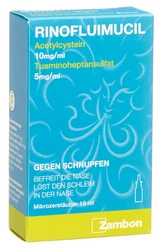
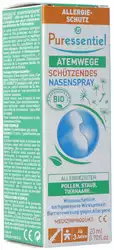
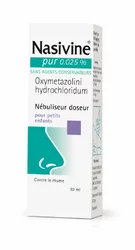
- Decongestant nasal drops and sprays have proven effective for a blocked nose. Both drops and sprays provide short‑term relief of nasal congestion. They should not be used for longer than one week.
- Saline or seawater‑based drops and sprays mainly serve to moisturise and cleanse the nasal mucosa. They can be used several times a day and over long periods without causing dependence. They are safe for children and infants, for pregnant women and for chronic rhinitis. A good alternative to classic nasal sprays are so‑called hypertonic saline solutions, which, due to their higher salt content, also have a decongestant effect and help clear the nose.
- Sulphur‑containing compounds in onions have anti‑inflammatory and antibacterial effects. As a simple home remedy for a runny nose you can make an onion syrup. Peel a large onion, chop it into cubes and put it in a clean jar. Add two tablespoons of sugar, close the jar tightly and shake. After about two hours a sweet onion syrup will have formed. Take one to two tablespoons several times daily.
- A time‑tested home remedy for a cold is to drink hot chicken soup. It has anti‑inflammatory effects and helps reduce swelling of the nasal mucosa. Garlic has antimicrobial and disinfectant properties. For respiratory infections a dose of four grams of garlic per day is considered effective — about two to three cloves. The cloves can be chopped and eaten in a salad or on a slice of bread.
- Blackcurrants are rich in vitamin C. Unsweetened juice is diluted with hot water and sipped slowly. This can be soothing during a cold. During recovery you can also have a glass of blackcurrant juice with lunch and dinner.
- Sleeping with the head slightly elevated can ease breathing, particularly when the nose is congested.
- Exercise in the fresh air stimulates circulation and can have a positive effect during colds. However, with a runny nose strenuous sport and heavy physical work should be avoided.
- See a doctor if the runny nose lasts longer than a week or keeps recurring, or if it is accompanied by additional symptoms such as severe headache, fever or yellowish‑purulent nasal discharge.
From the tiny cilia in our airways to the many causes ranging from viruses to environmental pollutants: colds show how sensitive our bodies are to external influences. The right measures to relieve symptoms can not only improve individual well‑being but also help prevent serious complications.