
Shea butter
The care miracle from the heart of Africa
editorial.overview
What is Shea Butter?
Shea butter is a natural product obtained from the nuts of the shea tree. Although shea nuts are classified as berries, they look more like nuts. The shea tree grows mainly in tropical West Africa and can reach up to 20 metres in height. The shea nuts, which ripen in clusters on the branches, consist of about 50 percent fat.
Shea butter is used not only topically but is also edible. Shea nuts have a sweet, aromatic, nutty flavour. In Western countries, shea butter is primarily used in cosmetics for skin care, while in its countries of origin in tropical West Africa it is used both in cooking and externally.
What is the difference between refined and unrefined shea butter?
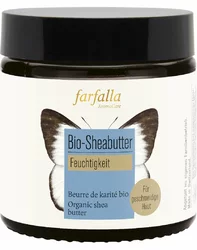
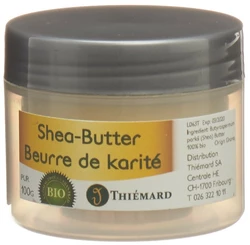
There are refined and unrefined shea butters, and the difference between the two is quite significant. Unrefined shea butter is produced through a natural process without additional industrial treatment and is therefore a pure natural product.
Refined shea butter, on the other hand, is further processed industrially after production. These additional steps aim to increase shelf life and make it suitable for cosmetic formulations. Unfortunately, a large portion of the original nutrients is lost during this processing, which reduces the product's effectiveness.
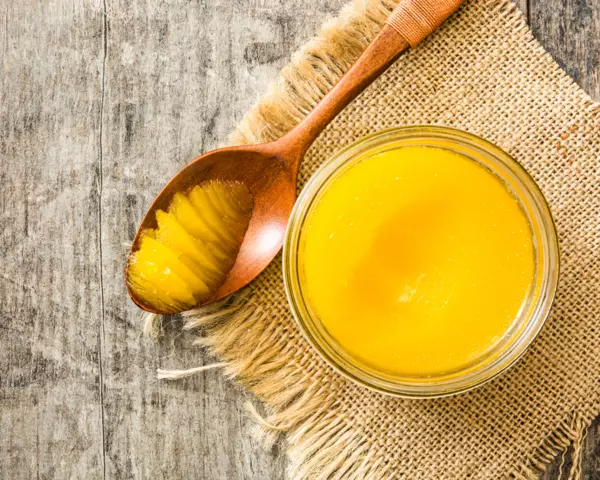
Unrefined shea butter has a yellowish-white colour and a mildly sweet, nutty scent. Refined shea butter is pure white because the natural pigment and active substance beta-carotene have been removed. As a result, the unrefined variant retains more of its original properties and nutrients.
Which ingredients make shea butter so valuable?
Shea butter is not only rich in vitamins and minerals, but its specific composition of various ingredients makes it an extraordinary skincare product with restorative properties.
It contains fatty acids such as palmitic acid, linoleic acid and stearic acid, which protect the skin from external influences, retain moisture, regenerate cells and keep the skin soft and supple.
Experts have identified certain components that are particularly beneficial: vitamin E is a powerful antioxidant that protects the skin from free radicals and slows down ageing. Beta-carotene is another antioxidant that not only protects against heart disease but also strengthens the immune system. Omega-3 fatty acids help prevent heart disease, regulate blood pressure and cholesterol levels, and relieve joint pain. Allantoin is an anti-inflammatory agent that promotes wound healing. Fatty acids (e.g. linoleic acid) help maintain the natural skin barrier and have anti-inflammatory effects. Triterpenes are anti-inflammatory, liver-protective, anti-thrombotic and stimulate nerve regeneration. Triterpenic alcohols have decongestant, antibacterial and antispasmodic properties.
Shea butter has many positive effects, especially when applied externally. It has been used for centuries particularly for rheumatism and joint pain. Due to its natural composition, it is suitable not only for adults but also for young children and pets.
What positive effects does shea butter have on the skin?
Dry skin can be not only uncomfortable but also cause premature wrinkles. Shea butter counters these problems naturally because it is rich in important nutrients. The phytosterols contained in shea butter, natural components of our skin's protective film, support the skin barrier and compensate for moisture loss. This keeps the skin elastic and youthful. Allantoin promotes cell renewal, helps prevent premature skin ageing, and antioxidants protect the skin from oxidative stress.
Moreover, regular use of shea butter promotes skin circulation, supplies the outer skin layers with essential nutrients and provides sufficient moisture. The combination of these effects makes shea butter effective not only against rough and dry skin but also against wrinkle formation. It can even smooth out small wrinkles and soothes and heals sensitive and normal skin.
Shea butter makes the tissue more elastic and stimulates blood circulation. This is particularly beneficial for fresh scars, stretch marks and pregnancy-related striae. Shea butter also supports cell renewal, helps the skin regenerate after tears and gives it elasticity, which helps prevent stretch marks. Gentle circular massage with shea butter further stimulates circulation, enhancing the positive effect.
What benefits does shea butter offer for hair and lip care?
Shea butter is not only a blessing for the skin but also for the hair. Used as a conditioner or treatment, it makes hair soft and manageable, supplies it with valuable nutrients and adds shine. Although shea butter cannot repair hair, regular use strengthens the hair and helps prevent split ends.
Shea butter is also valuable for the scalp: it moisturises, stimulates circulation, promotes cell regeneration and thus helps against dandruff and itchy scalp.
For lip care, shea butter is a great addition, especially in winter. In dry, cold air it forms a protective barrier, supplies moisture and gives lips a natural sheen.
Is shea butter also suitable for pets?
Shea butter is a valuable care product not only for humans but also for pets. Especially on cold and frosty days, dogs' and cats' paws have to endure a lot. Ice, snow and road salt irritate the sensitive pads. This is where shea butter comes in: applied to the paws, it forms a protective layer. This not only acts anti-inflammatory on injuries but also soothes the animals' skin. The naturalness of shea butter makes it completely harmless to four-legged friends, even if they lick their paws.
Are there any side effects when using shea butter?
So far, scientists have observed no side effects. It is important to emphasise that potential problems are not caused by shea butter itself but rather by additives in commercially processed products. In particular, fragrances and preservatives in creams and cosmetics can trigger allergic reactions. It is therefore advisable to check the ingredient list for possible allergenic additives.
Discover helpful tips for use and the many positive effects of shea butter
- Enjoy a relaxing break by adding unrefined shea butter to your warm bath water. The warmth enables optimal absorption of nutrients, relieves tension and leaves the skin supple.
- Massage unrefined shea butter directly into your whole body or on affected areas to benefit from its nourishing effect. One application in the morning or before bedtime is enough. For application, simply take a piece of butter from the jar with a spoon or cosmetic spatula and warm it between your palms before applying.
- Combine shea butter with a sunscreen for additional UV protection or mix it with your day cream for customised care. Or create your own cream.
- Store shea butter in a cool, dry place and close it well to preserve freshness. In the refrigerator, shea butter keeps longer.
- When purchasing, consider carefully whether you want refined or unrefined shea butter. Look for Fairtrade seals and quality, especially when buying online.
- Use shea butter as a base for homemade lotions, deodorants, hair treatments, lip balm or scrubs. Mix different oils for a rich lotion and add essential oils for fragrance.
- Care for your cuticles by regularly massaging shea butter in to promote healthy nail growth.
- Pamper your face with a natural anti-ageing mask by applying a thin layer of shea butter before going to bed.
- Use shea butter as a massage oil for a relaxing and nourishing massage.
- Expectant mothers can minimise stretch marks by regularly applying shea butter to the belly and thighs during pregnancy.
- Keep your feet supple by massaging shea butter into dry and cracked areas.
In summary, shea butter is not only a versatile natural product for skin care but also has numerous health-promoting properties. Shea butter offers a natural alternative for various skin needs. When using it, it is important to choose high-quality, unrefined products to fully enjoy this exceptional butter.