Warts
Annoying, persistent, but not invincible
How do warts develop?
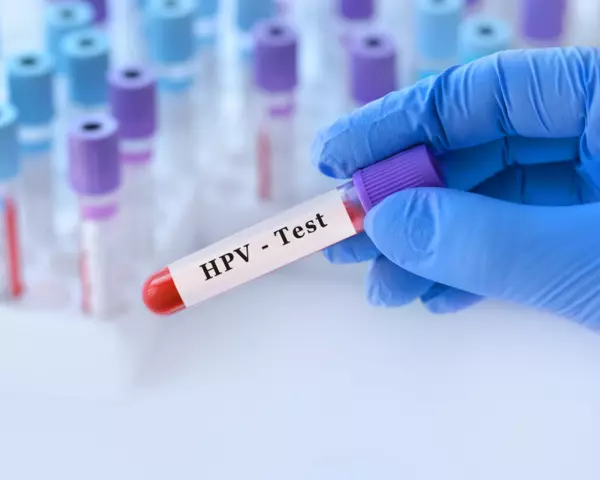
They arise from a infection with human papillomaviruses (HPV). These viruses are very resilient and can survive for a long time on the skin or even on dead skin flakes. There are over 100 different HPV types, some of which are responsible for the formation of warts.
Transmission usually occurs through direct skin contact, but also via shared items like towels or razors. You are particularly at risk when the skin is moist, softened or injured. Tiny cracks or scratches are enough for the virus to enter the outermost layer of the skin. There it stimulates cell growth, causing a thickening of the skin – the typical wart.
Where can warts appear?
Warts can in principle appear anywhere on the body, since they are caused by viruses transmitted by skin contact or contaminated objects. They are, however, particularly common on the hands and feet.
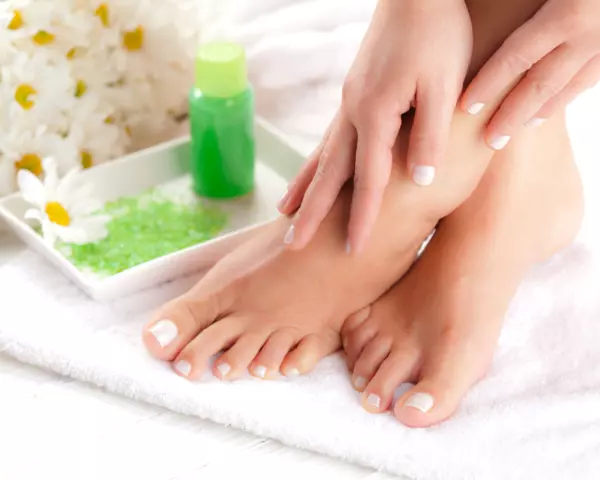
The hands are especially at risk because they come into contact with many surfaces. Small injuries or dry skin make it easier for the viruses to penetrate and form warts. On the feet, especially on the soles, warts often develop through direct contact with infected surfaces, for example in swimming pools, fitness centres or changing rooms. These so‑called plantar warts grow inward and can become painful under pressure when walking.
What types of warts are there?
There are different types of warts that vary depending on the virus type and the affected body area.
The most common are common warts (vulgar warts), which mainly occur on fingers or around the nails. They are often pea‑sized, rough and keratinised, and can appear singly or in groups. A special form is the plantar wart, which develops on the soles or heels. Unlike other warts, they grow inward and are therefore often painful, especially when walking, as the pressure on the wart increases.
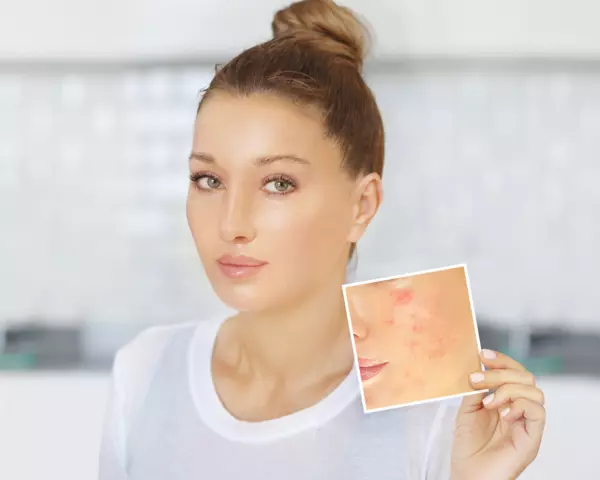
Flat warts are small, skin‑coloured to slightly brownish, and occur mainly on the face, hands or forearms. They often appear in larger numbers and can merge into so‑called mosaic warts, typically found on the soles. Another variant are filiform warts, characterised by a thread‑like, frayed structure and usually found on the face, eyelids or neck.
Genital warts (condylomata) occur in the genital and anal area and are sexually transmitted. They may appear as small pinhead‑sized bumps or develop into larger, cauliflower‑like growths. Due to the high risk of transmission, medical treatment is particularly important.
Another skin alteration often mistaken for warts is molluscum contagiosum. This is not caused by HPV but by poxviruses. It has a characteristic central dimple, contains contagious fluid and commonly affects children, as the pathogen easily enters softened skin.
There are also seborrhoeic keratoses (age spots) which are not caused by viruses and therefore not contagious. They mainly occur at older ages, are usually light to dark brown and are typically found on the face, chest or back. Skin tags are also not true warts as they are not virus‑based. They are small, soft skin growths that commonly appear on the neck, in the armpits or under the breast.
What role does the immune system play in warts?
The immune system plays a crucial role in the development and control of warts. A strong immune system can limit the replication of the human papillomaviruses that cause warts and support healing.
However, if the body's defences are weakened, viral particles have an easier time settling into the skin and forming warts. People with weakened immune systems – due to chronic illness, malnutrition or prolonged stress – are particularly susceptible to wart infections. Factors such as intensive sport, physical strain, lack of sleep or an unhealthy lifestyle can also impair immune defence and increase the risk of infection and spread of warts.
Can you remove a wart yourself?
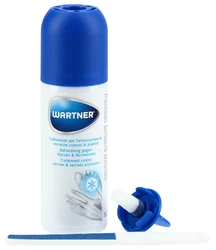
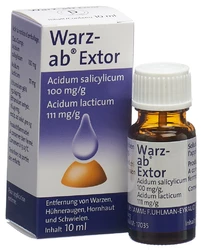
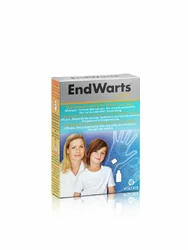
Whether a wart can be removed by yourself depends on its type and location on the body. Common and plantar warts in non‑sensitive areas such as the feet can often be treated with over‑the‑counter products from pharmacies or drugstores. These preparations usually contain active ingredients that gradually dissolve or freeze the wart so that it falls off after some time.
Before starting self‑treatment, make sure it is actually a wart. Plantar warts in particular can easily be mistaken for corns, so medical clarification is sensible. Warts should never be scraped off or forcibly removed, as this can spread the virus and cause new warts to appear on other parts of the body.
While smaller warts can often be treated at home with patience and appropriate products, it is advisable to see a doctor for persistent, painful or sensitively located warts. Genital warts and facial warts, in particular, should never be removed by yourself but require professional treatment.
Is wart removal painful?
Wart removal is in most cases not entirely pain‑free, but modern treatment methods are designed to be as gentle as possible. The perception of pain depends on the chosen method and the location of the wart.
Common procedures such as cryotherapy (freezing) or the application of special pharmacy solutions may cause slight burning or a brief cold sensation. Laser removal or surgical excision are often more effective but can lead to stronger irritation or wound pain, especially in sensitive areas.
The healing phase also varies depending on the treatment method. While smaller warts often heal without major discomfort, deeper warts, such as plantar warts on the sole, may continue to be painful for some time after removal.
Warts: how to treat them correctly and effectively
- Warts often disappear on their own when the immune system is strong enough to fight the viruses. To support your body's defences, maintain a healthy diet, get enough sleep and exercise regularly. A strengthened immune system can not only speed up the healing of existing warts but also help prevent new infections.
- In pharmacies you can obtain solutions, plasters or ointments with salicylic acid that gently remove dead skin cells. Freezing with liquid nitrogen is particularly effective and can remove warts within a few weeks. To make the treatment more effective, it is recommended to soak the affected area in warm water beforehand. Regular application over several weeks can make the wart disappear gradually.
- Although it may be tempting to remove a wart yourself, this can spread the virus to other skin areas. The risk of secondary infection also increases because open skin is an entry point for bacteria. Instead, use an appropriate treatment method or consult a doctor if in doubt.
- Because warts are viral, they can be easily transmitted. Avoid direct contact with affected skin areas. If you touch a wart, wash your hands thoroughly right away to minimise the spread of the virus.
- Moist and softened skin makes it easier for wart viruses to penetrate the skin. Dry your feet particularly well after showering or swimming, including between the toes. Use moisturising creams to avoid cracked skin, as small fissures can serve as an entry point for viruses.
- Swimming pools, saunas and changing rooms are often hotspots for wart pathogens. Always wear pool shoes or protective socks there to avoid direct skin contact with potentially infected surfaces. This is a simple but highly effective measure to prevent infection.
- Towels, socks and bedding can contain wart viruses and should therefore be changed regularly and washed at least at 60 °C. Avoid sharing these textiles with others to minimise the risk of transmission.
- To prevent spreading the virus, you can cover warts with waterproof plasters. This not only protects others from infection but also prevents self‑contamination. This is a sensible protective measure, especially for warts on the feet.
- Salicylic‑acid preparations help soften the keratinised layers of the wart gradually. Apply the solution daily and gently remove the softened skin with a file or pumice stone. This method requires patience but is gentle and effective.
- If warts recur despite treatment, an immunotherapy may help. Special agents are used to specifically activate the body's defence against wart viruses. A dermatologist can advise you individually on this.
- The HPV vaccination is primarily recommended to protect against cervical cancer. Studies also show that vaccinated people suffer less often from common warts. Therefore vaccination can be a useful preventive measure, especially for adolescents.
- Condoms can reduce the risk of transmission of genital warts but do not provide complete protection. The virus may be present on skin areas not covered by the condom. Early treatment and, if appropriate, HPV vaccination are the best protective measures.
- If a wart is painful, inflamed, growing quickly or looks unusual, consult a dermatologist. Sometimes skin changes that resemble warts can be malignant. A specialist examination will give you clarity and help determine the best treatment.
Warts are usually harmless but contagious and often persistent, which is why prevention and early treatment are important. Good skin care, hygiene and a strong immune system can reduce the risk of infection and support natural healing. If a wart does not disappear on its own or changes in appearance, it is advisable to see a dermatologist to avoid possible complications and start a targeted treatment.