
Oral flora
Your health starts up here
editorial.overview
What is the oral flora and an oral microbiome?
Our oral flora – more precisely the oral microbiome – includes all microorganisms that inhabit our mouth: bacteria, viruses, fungi and other microbes. From birth this fascinating ecosystem begins to form and continues to evolve under the influence of diet, environment and genetic predisposition. With over 700 different bacterial species, the oral microbiome is one of the most complex microbiotas in our body and is as unique as a fingerprint.
A balanced oral flora not only protects against cavities and periodontitis, but actively supports our overall health. Healthy bacteria supply important nutrients, strengthen defences and convert dietary nitrate, for example, into blood-pressure-regulating nitric oxide. However, if this delicate system is thrown off balance by poor diet or illness, pathogenic microbes can gain the upper hand and cause severe inflammation.
An imbalanced microbiome – a so-called dysbiome – is difficult to restore to a healthy state because it can establish itself very stably in its harmful form.
How does oral flora affect our dental health?
The oral flora plays a central role in the health of teeth and gums. A balanced community of beneficial microorganisms protects the oral mucosa, neutralises harmful acids and prevents colonisation by disease-causing bacteria. As long as the balance is maintained, the "good" bacteria support remineralisation of the teeth and actively contribute to the prevention of cavities and gum inflammation.
However, if this delicate balance is disturbed – for example by poor diet, inadequate oral hygiene or disease – harmful germs can multiply rapidly. These bacteria produce aggressive metabolic products such as acids that attack the enamel, irritate the gums and promote inflammation. A chronically disturbed microbiome therefore significantly increases the risk of tooth damage and can, in the long term, affect overall health.

How does diet influence the oral flora?
A balanced diet is the foundation for a healthy microbiome. Everything that is good for our gut – fibre, fresh fruit, vegetables and lean protein – also promotes the diversity and stability of the mouth's microflora. These protective bacteria help prevent cavities and inflammation and contribute to strong gums and resilient teeth.
Unhealthy eating habits, in particular a sugar- and acid-rich diet, can disrupt the balance. Harmful bacteria take over, plaque builds up and the risk of cavities and gum disease rises significantly. Already in children, a nutrient-rich diet plays a key role – minerals such as calcium and phosphorus as well as vitamins A, C and D are essential for the development of healthy teeth and bones.
What effect do probiotics have on the oral flora?
Probiotics are living microorganisms that are beneficial not only for the gut but also for oral health. Specifically selected bacterial strains, such as lactic acid bacteria, help to stabilise the delicate balance of the microbiome. They displace harmful bacteria that can cause plaque, cavities and gum inflammation and create an environment in which pathogenic microbes are less likely to proliferate.
By regularly using probiotics – e.g. in the form of lozenges or mouthwashes – the formation of dental plaque, especially in hard-to-reach areas between the teeth, can be significantly reduced. Additionally, probiotics support a healthy immune system in the oral cavity and thus help overall infection defence. Supported by an adequate intake of vitamin C, which promotes gum regeneration, they unfold their full potential for a healthy and strong oral flora.
What are good and bad bacteria in the mouth?
There is a whole universe of bacteria living in our mouths – and not all of them are harmful. Some microorganisms are part of the body's natural defence team. For example, Streptococcus salivarius helps fend off pathogens and prevent inflammation. Streptococcus sanguinis also plays an important role as it inhibits the development of cavities by suppressing the growth of harmful microbes.
The situation is different for the so-called „bad" bacteria: Streptococcus mutans is one of the main causes of cavities because it converts sugar into aggressive lactic acid that attacks the enamel. Actinomycetes are also problematic because they can trigger infections in the oral cavity. Putrefactive bacteria, which primarily colonise the tongue, are often responsible for unpleasant breath. Other germs favour the development of periodontitis, a severe inflammation of the tooth-supporting apparatus.
A healthy balance between the "good" and "bad" bacteria is therefore crucial for a strong microbiome and long-term dental health.
How can you recognise a disturbed oral flora (dysbiosis)?
A healthy microbiome keeps harmful germs in check and protects teeth and gums. However, when this balance is thrown off, early warning signs can become visible quickly. Typical symptoms of a disturbed microbiome are gum inflammations (gingivitis) or even inflammation of the entire tooth-supporting apparatus (periodontitis), which, if left untreated, can lead to tooth loss in the long run.
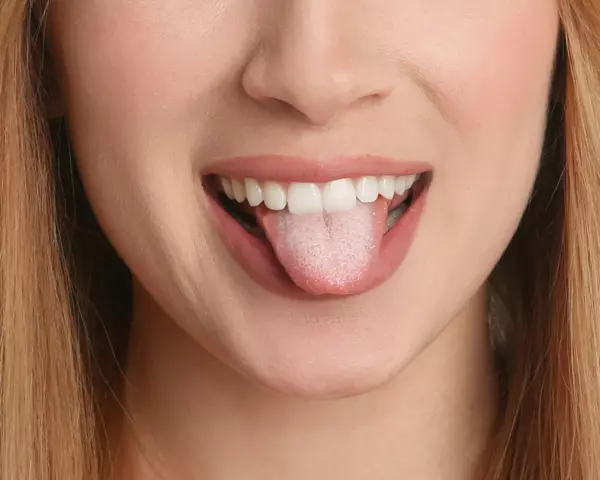
Frequent cavities or deep root infections also point to an overgrowth of harmful pathogens such as Streptococcus mutans that attack the enamel. Dysbiosis often manifests itself through bad breath (halitosis) and noticeable coatings on the tongue – caused by bacteria that produce foul-smelling sulfur compounds. In some cases, a fungal infection such as oral thrush may develop, identifiable by white patches and inflamed mucous membranes, especially with a weakened immune system or after antibiotic therapy.
If you notice such signs, do not hesitate. The dentist can use specific tests to examine the bacterial balance in the mouth and initiate targeted measures to restore a healthy microbiome.
Strengthen oral flora: how to care for your oral microbiome properly
- Incorporate probiotic preparations into your oral care routine. Probiotic oral care products such as lozenges, mouthwashes or chewing gums promote the growth of beneficial bacteria. These can help displace harmful germs and restore the natural balance of your oral flora.
- Brush your teeth thoroughly at least twice a day. Regular brushing with a fluoride toothpaste protects your enamel and keeps the number of harmful bacteria low. Aim for a brushing time of at least two minutes to remove all plaque thoroughly.
- Don't forget to clean the interdental spaces. Daily use of dental floss or interdental brushes is essential to keep hard-to-reach areas clean. This prevents disease-causing pathogens from settling undisturbed.
- Clean your tongue regularly. Many bacteria accumulate on the tongue and can promote bad breath and inflammation. A tongue scraper removes these deposits and effectively supports your oral health.
- Try oil pulling as a complementary measure. Morning rinsing with a tablespoon of coconut or sesame oil can help gently remove harmful bacteria. At the same time you naturally promote a pleasantly fresh oral flora.
- Pay attention to a tooth-friendly diet. Fibre-rich foods like fresh fruit, vegetables and whole grains stimulate saliva production and support the natural self-cleaning of teeth. They also help balance the mouth's acidity.
- Reduce sugar and acidic drinks. Sugar-rich snacks and acidic soft drinks feed harmful bacteria and promote cavities. Instead, drink plenty of water and choose tooth-friendly alternatives such as nuts or cheese.
- Change your toothbrush regularly. Your toothbrush should be replaced after at most three months. Worn bristles remove plaque less effectively and provide an ideal breeding ground for bacteria.
- Avoid harmful habits such as smoking. It severely disturbs the balance of the oral flora and increases the risk of periodontitis. Quitting smoking has an immediate positive effect on your oral health and supports the recovery of your microbiome.
- Include fermented foods in your diet. Yogurt, kefir, sauerkraut or kombucha contain natural probiotics that can strengthen not only gut health but also your oral flora. Regular consumption of such foods supports the balance of good bacteria in the mouth naturally.
- Ensure adequate fluid intake. Drink enough water daily to stimulate saliva production. Saliva is an important natural defence mechanism: it washes away food residues, neutralises acids and helps keep harmful bacteria in check.
- Reduce stress deliberately in everyday life. Chronic stress weakens your immune system and can throw the oral flora out of balance. Relaxation methods such as yoga, meditation or mindful breaks support not only your mental wellbeing but also the resilience of your oral microbiome.
- Have a bacterial test performed if necessary. A targeted bacterial test at the dentist provides information about your individual microbiome. This allows disease-promoting germs to be detected early and treated with tailored therapies.
- Visit the dentist regularly for check-ups. Regular preventive examinations help to detect and treat problems early. Your dentist can also advise you individually on how to specifically strengthen your oral flora.
A healthy oral flora is the key to strong teeth, healthy gums and a well-functioning immune system. Small daily changes – such as a balanced diet, careful oral hygiene and the targeted use of probiotics – can sustainably support the balance of the microflora. Caring for your oral flora lays the foundation not only for a beautiful smile but also for the long-term health of the whole body.