

Sex Toys
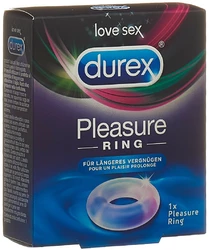






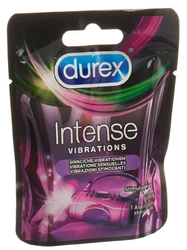



Sex toys for intimacy — safe, discreet and quality-focused
Sex toys encompass a broad range of products: vibrators, dildos, couple’s toys, anal stimulators and targeted prostate devices. Selecting body-safe materials such as medical-grade silicone, stainless steel or ABS plastic is essential; these materials are easier to clean and less likely to cause irritation. Avoid products containing phthalates or unclear material listings. Look for clear manufacturer information and safety markings that indicate compliance with applicable product safety standards.
Hygiene and maintenance are central to safe use. Electronic devices typically require cleaning with warm water and mild soap or with purpose-made toy cleaners; follow manufacturer guidance regarding waterproof ratings. Non-electronic silicone items may be sterilised by brief boiling if the manufacturer confirms suitability. After cleaning, dry thoroughly and store items in a clean, dust-free pouch to avoid contamination or material degradation.
Lubricant compatibility matters: water-based lubricants are generally safe for all materials and are recommended as the default option. Silicone-based lubricants can damage silicone toys unless explicitly permitted by the manufacturer. For users with latex allergy, choose non-latex condoms and suitable lubricants. When sharing toys, using a condom and changing it between users reduces the risk of transmitting infections.
Safety guidance: do not use items with visible damage; adhere to battery and charging instructions; check IP ratings for water exposure. Seek professional advice if persistent irritation, severe pain or unusual discharge occur. Pharmacists can advise on material compatibility with skin conditions and recommend suitable hygiene measures. Psychological aspects of sexual health are also relevant; consult specialised services when needed.
Regulatory note: sex toys are generally consumer products rather than medical devices. Nonetheless, clear labelling, safe materials and instructions for use are important for consumer protection. Pharmacies offering these products focus on transparent information, discreet handling and practical advice to support safe and respectful intimate health choices.


