

Ear Care












Ear care and hearing protection – safe products and professional guidance
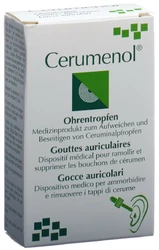
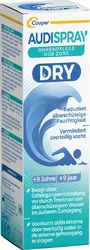
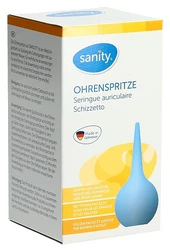
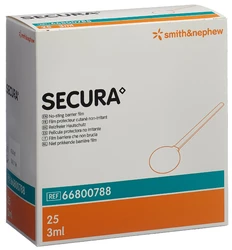
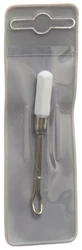
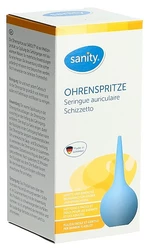
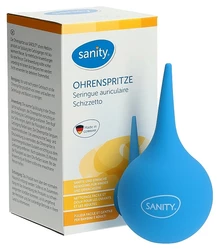
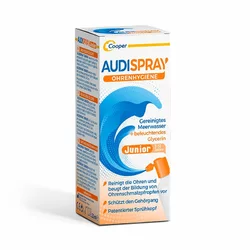
Ear care covers hygiene, earwax management, protection from noise exposure and practical tools for everyday maintenance. Pharmacies supply a range of items including ear drops (emollient and cerumenolytic), irrigation kits, disposable or reusable earplugs, and applicators designed to minimise risk. Choosing the right product depends on the symptom, age and medical history; pharmacists can advise on indications, potential interactions and correct use.
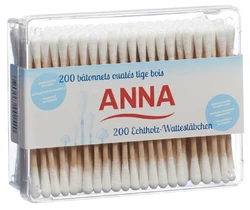
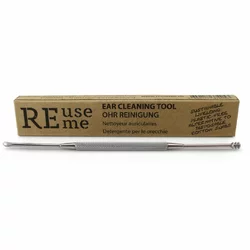
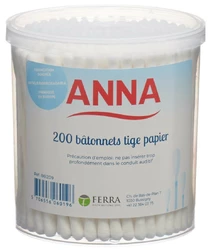
Inserting objects into the ear canal (cotton buds, pins) is not recommended because it risks pushing wax deeper, causing impaction or damaging the eardrum. Emollient drops can soften wax and facilitate natural clearance; in selected cases a gentle professional irrigation is appropriate. For suspected eardrum perforation, active ear infection or sudden hearing loss, an ENT evaluation is necessary.
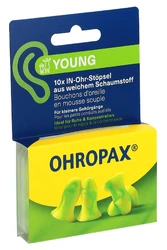
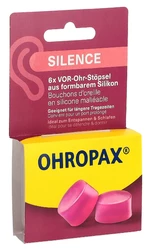
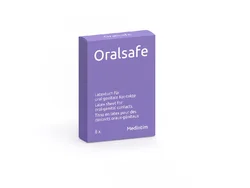
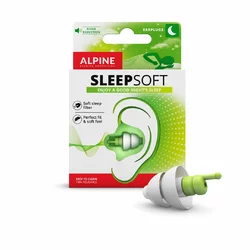
Hearing protection is essential in noisy environments. Earplugs differ in attenuation levels and design: foam plugs for short-term use, mouldable silicone for water protection, and musician or industrial plugs for specific acoustic needs. Attenuation ratings (dB) and correct insertion determine effectiveness. Pharmacies can match products to users’ needs and show correct fitting and care procedures.
Local treatments often suffice for minor irritation or cerumen-related complaints; systemic medication is reserved for clear indications. Special populations—infants, pregnant people and hearing-aid users—require tailored advice. Product labelling follows Swiss guidance and professional staff can clarify contraindications. Regular maintenance of reusable plugs and hearing aids prevents infections and preserves functionality.
Overall, informed selection and correct use of ear-care products support long-term ear health. Professional advice in a pharmacy or from an ENT specialist is recommended when symptoms persist, worsen, or if there is uncertainty about the appropriate treatment.


