

Clothing & Textiles







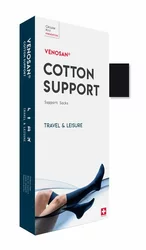
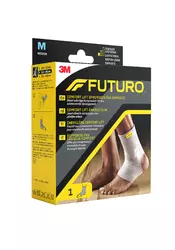
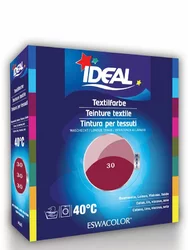
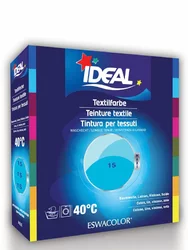



Clothing & Textiles — practical household and everyday care essentials
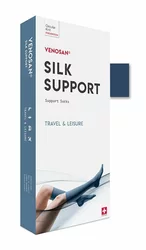
Household textiles should balance comfort, function and ease of care. Natural fibres like cotton and linen provide breathability and skin comfort; blends and microfibres dry faster and resist creasing. Always follow the care symbols on product labels to select appropriate wash cycles and temperatures.
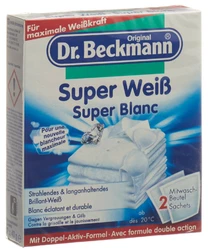
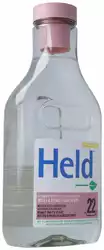
Sorting laundry by colour and fabric type reduces wear. Delicate items benefit from laundry bags; close zips and fasten buttons to protect other garments. Use correct detergent dosage according to load size and local water hardness. High temperatures can damage synthetics while some natural fibres tolerate higher wash temperatures.
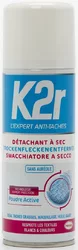
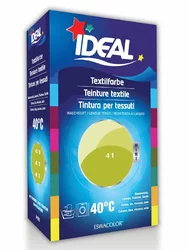
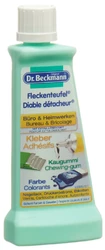
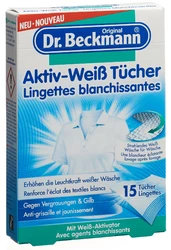
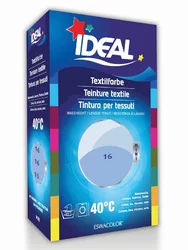
Stain removal depends on stain type: greasy stains respond to degreasing pre‑treatment or specialised stain removers; protein stains (blood, egg) should be rinsed with cold water before washing; dye‑based stains may require specific removers and a patch test on an inconspicuous area. Follow manufacturer guidance for any stain product.
Storage and hygiene: keep textiles clean and fully dry before storage to prevent mildew and odours. Ventilate wardrobes regularly and use breathable storage containers. For households with sensitivities, consider tightly woven fabrics, wash‑able covers and certified products. Labels such as OEKO‑TEX provide reassurance about tested substances in materials.
Sustainability measures include washing at lower temperatures when appropriate, repairing items instead of discarding, and choosing durable materials. These practices lower environmental impact and extend the useful life of textiles. Product information and clear care instructions are key to making informed choices for everyday use in Switzerland.


