

Hair Accessories & Tools
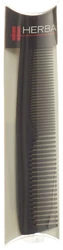
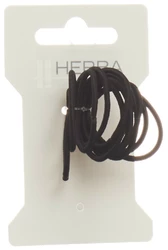


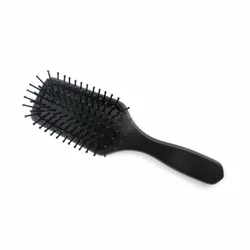
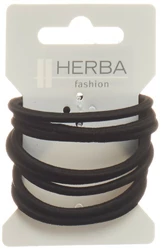
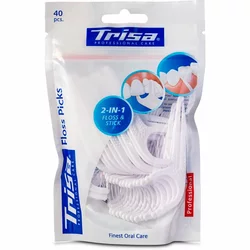
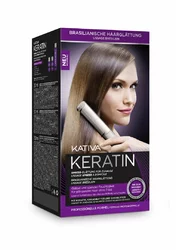
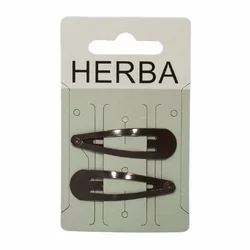
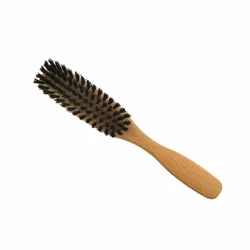
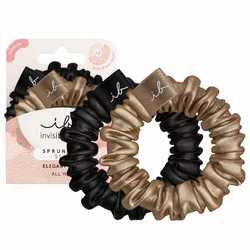
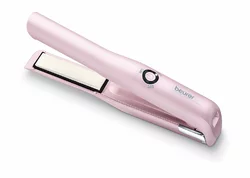
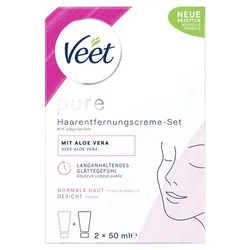
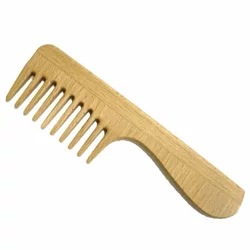
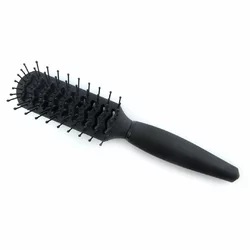
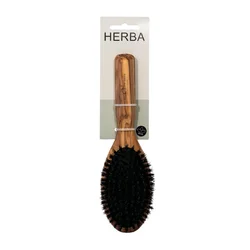
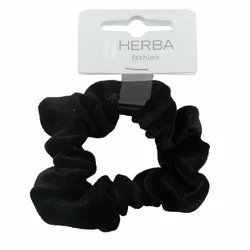
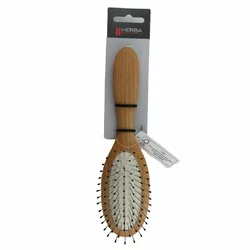
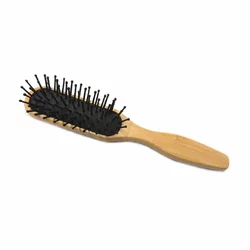
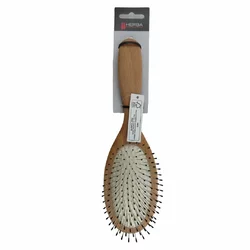
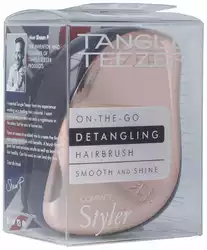
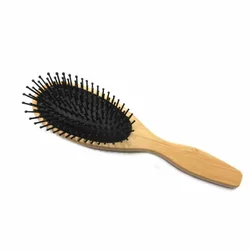
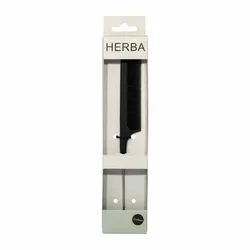
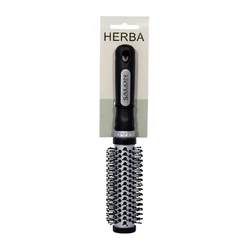
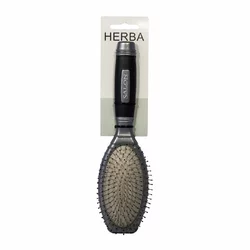
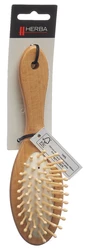
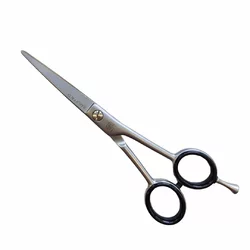
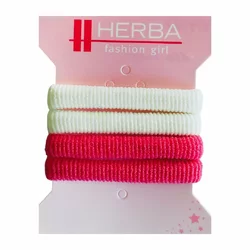

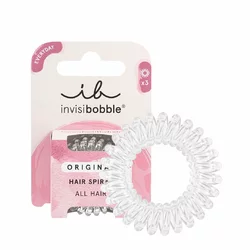
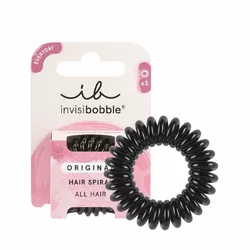
Hair accessories & tools – safe, quality products for care, styling and hygiene
Hair accessories and tools encompass a broad range of products intended for everyday grooming, professional styling, and hygienic or semi-clinical uses. In a pharmacy-linked environment, selection criteria prioritise material safety, ease of disinfection and documented maintenance procedures. This ensures consistent product performance and helps manage potential risks associated with repeated use or contact with compromised skin.
Common materials include medical-grade stainless steel, high-quality polymers free of phthalates, and treated woods suitable for cosmetic use. These materials are chosen for resistance to corrosion and compatibility with standard cleaning agents. Cutting implements such as scissors or clippers require precise manufacturing tolerances, clear maintenance instructions and, when applicable, validation for sterilisation or reprocessing.
Practical usage guidance covers routine cleaning, appropriate disinfectants, drying and storage. For tools used near broken skin, or in professional settings, recommended procedures may include validated sterilisation cycles or single-use disposables. Replacing worn parts and following manufacturer service intervals reduces contamination risks and preserves functionality.
Product documentation should provide compliance information relating to Swiss regulations and, where relevant, CE marking. It should also include safety instructions, contraindications (for example: avoid use on open wounds), and materials lists to support informed choices. For people with sensitive scalps or dermatological conditions, seeking advice from a pharmacist or a qualified clinician is recommended before selecting specialised tools.
For online categorisation and campaign targeting, taxonomy can be structured by application (styling, cutting, colouring), material (stainless steel, nylon, wood), audience (children, sensitive scalp, professionals) and hygienic properties (sterilisable, washable). This structure supports precise product discovery and compliant communication in the Swiss market.


