

Hearing Aids











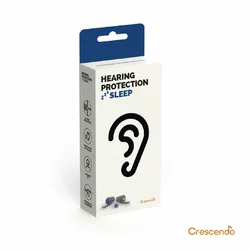
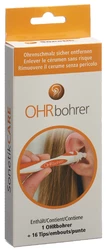
Hearing aids and hearing systems – safe devices with professional fitting and care
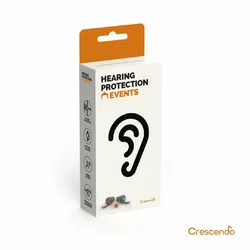
Hearing aids are regulated medical devices designed to amplify sounds and improve speech understanding in people with hearing impairment. In Switzerland they must meet defined safety and performance standards and are typically fitted by licensed hearing care professionals or evaluated by ENT specialists. Common device categories include behind‑the‑ear (BTE), in‑the‑ear (ITE/ITC), completely-in-canal models and rechargeable systems. Modern features include digital signal processing, adaptive noise reduction, feedback suppression and Bluetooth connectivity for phones and audio sources.
A professional audiological assessment (pure-tone and speech audiometry) establishes the type and degree of hearing loss. Based on these results, the hearing care professional programs gain curves, selects listening programs for different environments and recommends additional functions such as directional microphones and wind noise algorithms. Trial periods and stepwise adjustments support user adaptation.
Practical aspects to consider are battery type (disposable cells vs rechargeable batteries), maintenance routines and accessory compatibility. Rechargeable hearing aids often provide daily convenience and environmental benefits, while disposable batteries allow immediate swaps. Routine cleaning, drying and periodic filter replacement extend device lifespan. Regular follow-up appointments are important to maintain performance and address any comfort issues.
Regarding reimbursement, coverage under compulsory health insurance (LAMal) varies and may be limited; supplementary insurance or specific cantonal rules can influence funding. Service offerings typically include initial fitting, programming, ear impressions if needed, follow-up visits and repairs. Choosing a provider that offers clear documentation, transparent warranty terms and coordinated care among audiology, ENT and insurers ensures compliant and reliable long-term support.
Key selection criteria include hearing profile, daily listening situations, usability, aftercare availability and safety certifications. Emphasis on qualified fitting and continuous follow-up is essential for sustained benefit and user satisfaction in everyday life.


