

Garden



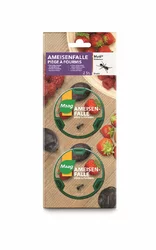
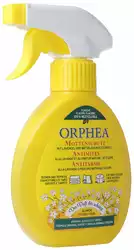

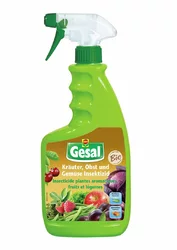
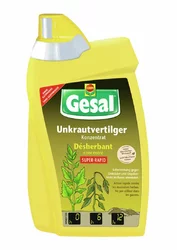
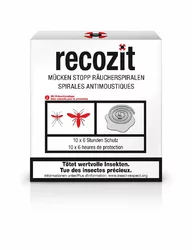
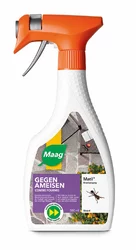

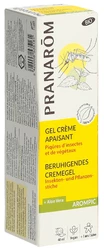

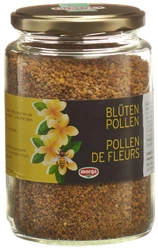

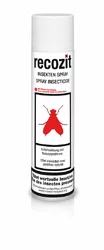
Garden: care, protection and safe, sustainable solutions for home outdoor spaces
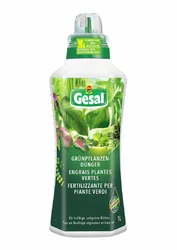
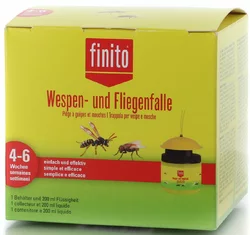
Gardening covers a wide range of products: manual and powered tools, irrigation components, growing media and fertilisers, approved plant protection products, protective clothing and pest control devices. The right product choice depends on purpose (vegetable garden vs ornamental beds), soil characteristics and plant requirements. Peat-free composts and targeted nutrient management support soil life and long-term garden health.
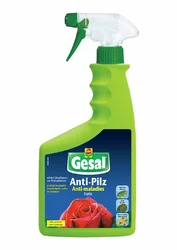
Regulatory and safety aspects are important in Switzerland. Plant protection products are subject to the Federal Office for Agriculture (FOAG) regulations and must be used according to label instructions. For acute exposures or poisonings, Tox Info Suisse provides immediate guidance. Chemical products should be stored in their original packaging, securely and out of reach of children and pets.
Environmentally friendly strategies are recommended: physical weed control, crop rotation, selection of site-appropriate species and creation of habitats for beneficial insects reduce dependence on chemical controls. Composting green waste improves soil structure and reduces municipal waste volumes. Water-saving irrigation and mulching help conserve resources and increase resilience during dry periods.
Practical guidance: keep tools clean and sharp, store equipment in a dry ventilated place, use gloves and eye protection when handling chemicals or thorny plants. Dispose of leftover products and empty containers via municipal hazardous waste collections or designated take-back schemes. For product selection and application advice, consult specialist retailers or professional advisory services to ensure conformity with local rules and safe handling practices.
Planning with seasonal needs in mind reduces intervention frequency and long-term workload. Reading product labels carefully and following application instructions are key steps to protect human health, animals and the environment while maintaining an attractive and functional garden.


