

Nasal Care












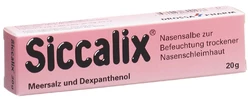





























Nasal care: products for cleansing, moisturising and easing nasal congestion
Nasal care involves cleaning, moisturising and managing symptoms with topical products. Isotonic saline solutions form the foundation for rinsing nasal passages, loosening secretions and maintaining mucosal hydration. Nasal irrigation using dedicated devices can assist mechanical removal of mucus and allergens and is frequently recommended after exposure to irritants or as supportive care during upper respiratory episodes.
Nasal sprays and drops are available with different modes of action: saline sprays provide moisture, topical decongestants offer short-term relief of nasal obstruction, and nasal corticosteroids are indicated for inflammatory conditions under medical supervision. Prolonged use of topical decongestants may lead to rebound congestion; therefore adherence to recommended treatment duration and professional advice is important.
Products for nasal moisturisation such as gels, ointments and emollient sticks protect the mucosa in dry indoor environments and can relieve crusting. For infants and children, age-appropriate formulations and application aids reduce the risk of irritation. Pregnant and breastfeeding people should consult healthcare professionals before using medicated nasal products.
Safety and compliance: product information should be checked for Swissmedic approvals and manufacturer instructions. Pharmacists can advise on selection, dosing, application technique and storage (typically dry and at moderate temperature). Seek medical evaluation if symptoms worsen or if there are signs of complication: high fever, severe unilateral pain, persistent nosebleeds or sudden anosmia.
Practical guidance: wash hands before application, clean and dry nasal irrigation devices per manufacturer instructions, use recommended water (sterile or boiled if specified) and avoid extended use of topical decongestants without professional guidance. Regular follow-up with pharmacy staff ensures that care is adapted to symptom evolution and individual needs.


